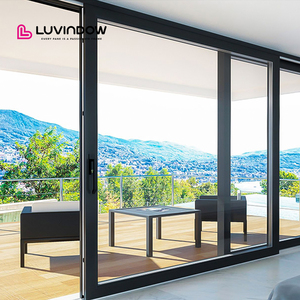
Export Product Portfolio
High-Performance Fenestration & Door Systems
Engineered for high wind load compliance, severe UV radiation, and heavy rainfall across Viti Levu, Vanua Levu, and the Pacific Rim.
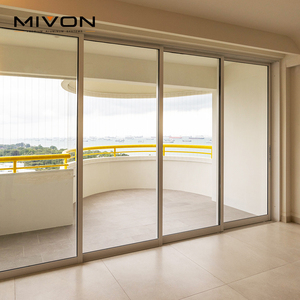
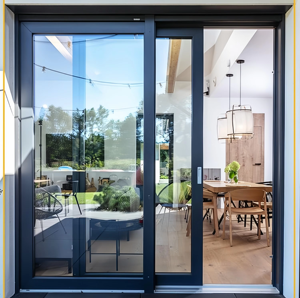
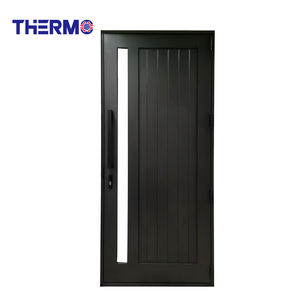
Industry Whitepaper & Engineering Insight
Navigating Tropical Fenestration Demands in Suva, Fiji
An in-depth analysis of structural integrity, microclimatic weathering, and high-performance bottom-hinged ventilation systems.
Architects, civil contractors, and hospitality developers in Suva encounter a unique cross-section of environmental parameters. Located on the southeastern coast of Viti Levu, Suva experiences an equatorial wet climate characterized by high annual precipitation (exceeding 3,000 mm annually), sustained high relative humidity (averaging between 75% and 85%), elevated atmospheric saline concentrations originating from Laucala Bay and Suva Harbour, and recurrent cyclical cyclone pressures during the South Pacific cyclone season (November through April).
In this demanding built environment, standard residential windows routinely fail within two to four years due to hardware seizure, accelerated galvanic corrosion, premature elastomeric seal embrittlement, and water ingress during pressurized monsoonal downpours. The specification of architectural-grade aluminum hopper windows—bottom-hung configurations that tilt inward from the top—has emerged as a foundational ventilation strategy for commercial headquarters along Victoria Parade, luxury multi-residential developments in Tamavua and Domain, institutional faculties at the University of the South Pacific (USP), and high-turnover boutique resort developments throughout the outer maritime zones.
Key Engineering Standard Alignment: All DERCHI architectural fenestration manufactured for Suva and regional Oceania distribution is benchmarked directly against AS 2047 (Windows and external glazed doors in buildings), AS 1288 (Glass in buildings—Selection and installation), and relevant clauses of the Fiji National Building Code (FNBC). This ensures ultimate limit state (ULS) wind pressure resistance exceeding 3,500 Pa to withstand Category 5 cyclonic trajectories.
Aerodynamic Passive Ventilation and Water Tightness Mechanics
Aluminum hopper windows operate via robust scissor arms, heavy-duty stainless steel friction stays, and multi-point perimeter compression latches. The inward-tilting geometric profile delivers two critical engineering functions simultaneously:
First, it facilitates controlled thermal stack ventilation. In Suva’s warm, moisture-laden atmosphere, hot interior air naturally rises toward the ceiling and vents continuously through the upper perimeter aperture, drawing cooler ambient air from floor-level openings without creating localized turbulence. Second, because the sash tilts inward, the external overhang of the frame assembly shields the opening from vertical monsoonal deluges, preventing precipitation cascading down the building envelope from entering interior rooms—a failure common with standard outward-projecting awning casements during erratic directional gusts.
Direct Factory Capacity
Guangdong Dejiyoupin Doors and Windows Co., Ltd. (DERCHI)
De-risking your South Pacific building supply chain through automated smart manufacturing, massive scale, and international certifications.
180,000m²
State-of-the-Art Production Base in Foshan
1,000,000m²+
Annual Window & Door Output Capacity
100+
Proprietary National R&D Invention Patents
18,000+
Global Landmark Projects Successfully Handed Over
Target Deployment
Architectural Applications Across Fiji Infrastructure
Precision-tailored assemblies engineered to conquer Suva's distinct topographical and marine exposures.
Luxury Residential & Coastal Villas
High-end estates nestled along coastal ridgelines require uninterrupted indoor-outdoor visual connectivity combined with fail-safe cyclonic water bars. DERCHI hopper systems function as high-elevation clerestory units, facilitating automatic heat dissipation during mid-day solar peaks without compromising structural security or acoustic insulation.
Corporate Office Towers & Public Embassies
For multistory institutional buildings along Queen Elizabeth Drive and Victoria Parade, mechanical HVAC energy loads represent significant recurring operational expenditures. Automated, motor-assisted hopper windows integrate with building management systems (BMS) to leverage night-purge cross ventilation, substantially slashing overall cooling kilowatt requirements.
Resort Complexes & Eco-Lodges
Operating across Suva’s adjacent reef archipelagos and resort developments requires zero-tolerance maintenance profiles. Engineered with marine-grade 6063-T6 aluminum alloys and powder-coated to Qualicoat Class 2 / AAMA 2605 specifications, our hopper windows remain impervious to airborne salt crystals, fungal growth, and intense tropical ultraviolet light.
Developmental Trends
Emerging Fenestration Trends in Fiji’s Construction Sector
How the South Pacific market is transitioning toward climate-resilient, low-carbon building envelopes.
Thermally Broken Extrusions
Historically dominated by non-broken standard aluminum, high-end Suva developments increasingly mandate multi-cavity polyamide (PA66 GF25) thermal breaks. This prevents external heat conduction into air-conditioned spaces, eliminating interior condensation run-off that triggers mold and wall finishes degradation.
Laminated Cyclone Glazing Interlayers
With cyclonic events intensifying, procurement specifications have shifted from monolithic annealed float glass to structural SentryGlas (SGP) and high-impact PVB double-glazed units (IGUs). If broken by high-speed windborne debris, the glass remains anchored to the frame, maintaining envelope pressurization.
Factory-Direct Pre-Glazed Logistics
Given local labor shortages for specialized glazing assembly in Suva, general contractors heavily favor completely factory-assembled, factory-glazed, and performance-certified window units delivered containerized directly to the Port of Suva for rapid hook-and-anchor installation.
Enterprise Value Proposition
Why International Developers Partner with DERCHI
Combining world-class engineering precision with comprehensive project delivery logistics.
Certified Integrity
AS 2047 Certification
Official structural compliance verified through independent accredited laboratories covering deflections, air infiltration, and high-pressure water penetration metrics.
Security Innovation
Multi-Point Perimeter Locking
Equipped with DERCHI’s patented multi-point compression locks, locking all four sash edges to resist forced entry attempts and maintain airtight hermetic sealing.
Surface Treatment
Marine Fluorocarbon Finishes
Electrostatically applied PVDF and 25-micron anodic oxide coatings engineered specifically to withstand salt fog, acidic rains, and extreme UV degradation.
End-to-End Backing
Turnkey Technical CAD/BIM Support
From initial architectural structural schedule audits to custom flashing detail design and containerized ocean routing direct to Port Kings Wharf, Suva.
Frequently Asked Questions
Procurement & Technical Clarifications for Fiji Projects
Clear, direct answers regarding customs, building codes, hardware durability, and logistics.
Do DERCHI hopper windows and glazed assemblies comply with the Fiji National Building Code? +
Yes. The Fiji National Building Code (FNBC) references Australian and New Zealand Standards for fenestration performance. DERCHI products hold verified AS 2047 certification, AS 1288 glass compliance, and cyclonic impact test qualifications. Complete laboratory testing reports and certified engineering calculations are provided alongside shop drawings for straightforward submittal to the Suva City Council building approvals department.
How does DERCHI combat galvanic corrosion in high-salinity Suva coastal environments? +
We exclusively assemble our frames using architectural-grade 6063-T6 aluminum alloys. Every screw, hinge pivot, stay arm, and operator latch is manufactured from surgical-grade AISI 304 or 316 stainless steel. Furthermore, specialized non-conductive EPDM isolation barriers prevent direct contact between dissimilar metals, entirely precluding the electrochemical conditions required for galvanic corrosion.
What are the typical sea freight lead times from Foshan to Kings Wharf Port, Suva? +
Production cycles typically take between 25 and 35 working days following signed shop drawing approval. Direct and transshipment container shipping lanes from South China (Nansha/Shekou) to Suva, Fiji generally average 18 to 28 days transit time. Products are packaged in multi-tier protective plastic wraps, high-density edge foam, and fumigated steel-reinforced export wooden crates to ensure zero-defect arrival.
Can DERCHI hopper windows incorporate integrated insect screening and security grilles? +
Absolutely. In Fiji’s tropical ecosystem, vector control is vital. DERCHI hopper systems can be equipped with internally mounted heavy-duty high-tensile 304 marine stainless steel security mesh (0.8mm wire gauge) or lightweight retractable fiberglass insect fly screens that allow complete airflow while preserving sightlines and providing physical anti-theft deterrence.
How does DERCHI support local installation teams in Fiji? +
Each project shipment is backed by comprehensive 3D shop drawings, localized installation anchor guides, sub-sill flashing diagrams, and technical video documentation. For major multi-residential or institutional hospitality projects across Fiji, our engineering department provides live video technical support and can dispatch on-site technical supervisors to guide contractor teams during envelope sealing.
Engineering a Resilient Commercial or Residential Build in Suva?
Consult with our structural fenestration specialists today to obtain custom section CAD profiles, AS 2047 test data sheets, and competitive direct-factory pricing.