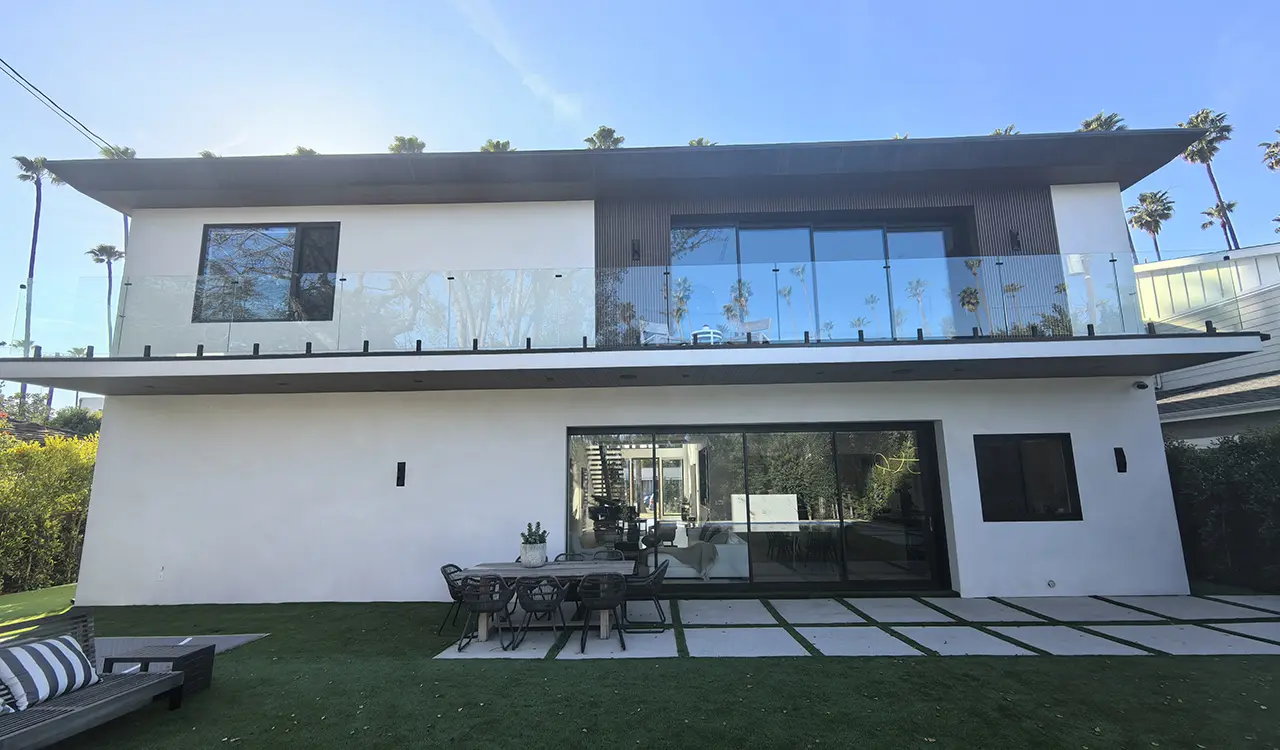
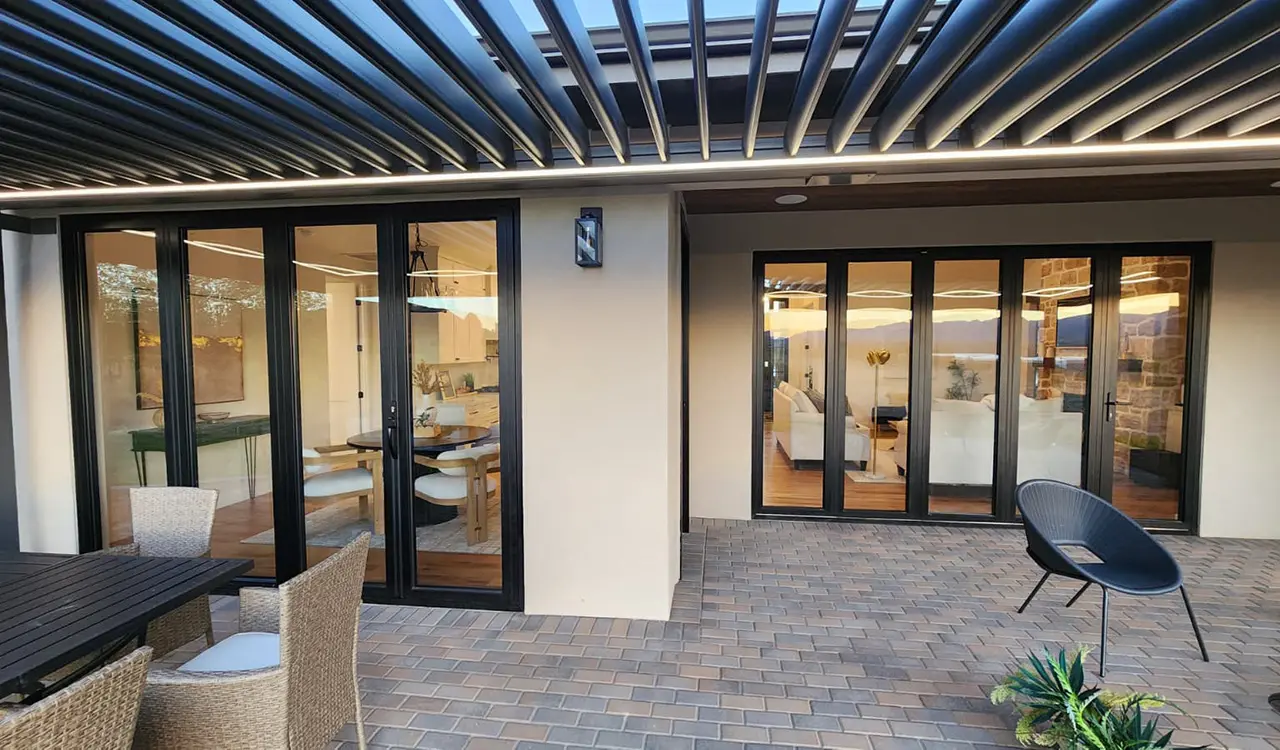
High-Performance Aluminum Swing Doors: The Definitive Technical & Sourcing Guide for Global Architects, Builders & Wholesalers
Engineered by Guangdong Dejiyoupin Doors and Windows Co., Ltd. Discover multi-point compression sealing, extreme wind resistance, and zero-error smart manufacturing.
In the modern building envelope sector, Aluminum Swing Doors (frequently referred to as hinged exterior doors, French doors, or casement entrance doors) represent one of the most mechanically demanding fenestration systems. Unlike sliding systems that disperse weight along bottom tracks, an aluminum swing door relies on a cantilevered structural balance supported by hinges anchored into high-tensile 6063-T6 or 6060-T66 architectural alloy frames. At Guangdong Dejiyoupin Doors and Windows Co., Ltd., we understand that global developers, commercial builders, and fenestration distributors are not merely buying door leaves; they are investing in long-term perimeter airtightness, thermal boundary integrity, and perimeter intrusion defence.
As global energy efficiency regulations tighten—such as Australia's National Construction Code (NCC 2022 Section J), New Zealand's NZBC H1 revised insulation requirements, European CE standards (EN 14351-1), and North American NFRC benchmarks—the technical specification of aluminum swing doors has shifted. Architects no longer accept non-broken profiles or single-latch systems for exterior perimeters. This comprehensive guide synthesises deep manufacturing expertise with user-intent procurement intelligence to equip professional buyers with empirical criteria for choosing, validating, and sourcing high-end aluminum swing door systems factory-direct.
100+ Proprietary Patents
Patented four-side perimeter compression locks and concealed heavy-duty 3D adjustable hinges.
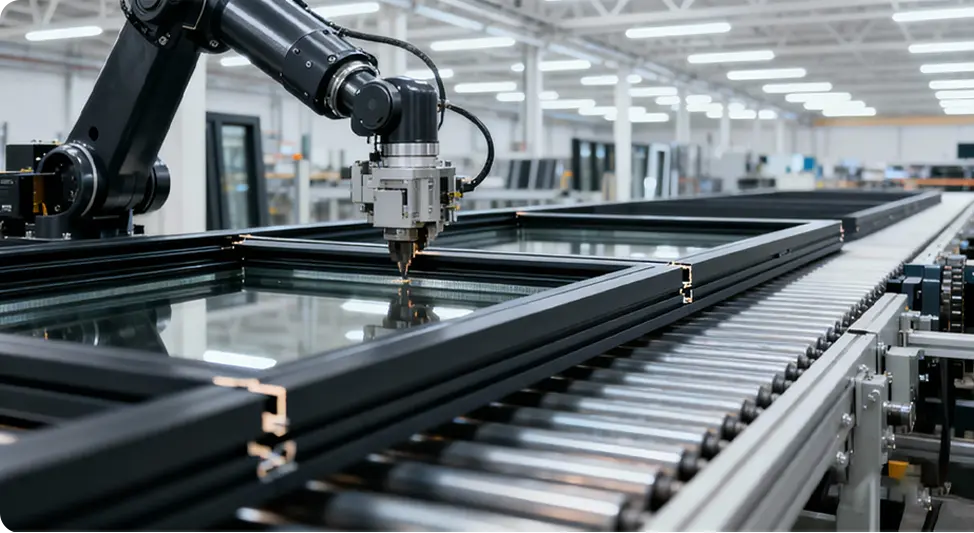
Zero-Defect Robotic Milling
Automated CNC mitre cutting, corner-crimping with high-density injection glue, and sub-millimetre tolerance.
Recognized National Brand
Officially certified "China Famous Brand" by Xinhua News Agency, validating manufacturing prestige.
Global Compliance Grand Slam
Full testing certifications covering AS 2047, AS 1288, CE, NFRC, CSA, and ISO 9001:2015 quality standards.
Industrial Infrastructure Engineered to De-Risk Global Supply Lines
From custom luxury residential projects to 500-unit high-rise developments, our fully digitized manufacturing ecosystem guarantees repeatable metallurgical quality, finish uniformity, and scheduled shipping windows.
0m²
Smart Manufacturing Campus in Foshan
0m²+
Annual Window & Door Output Capacity
0+
Senior Façade Engineers & R&D Team
0+
Skilled Technicians & Quality Auditors
SystemsRecommended Configurations
Engineered Aluminum Swing Door Series: Project-Specific Recommendations
Every project presents distinct structural wind pressures, human traffic densities, and thermal boundary requirements. Review our specialized product configurations formulated for commercial, coastal, and high-efficiency buildings.
Architectural French Double Swing Doors
Designed for luxury outdoor patio access, high-end commercial showrooms, and master suite balconies. Features PA66 polyamide thermal breaks, multi-point mortise systems, and continuous EPDM perimeter weatherseals.
Heavy-Duty Commercial Single Swing Doors
Tailored for high-frequency institutional entrances, hotel suites, and office buildings. Reinforced 2.5mm–3.0mm wall thickness aluminum extrusions, compatible with panic exit bars, magnetic smart locks, and overhead commercial closers.
Thermally Broken Patio Swing Doors
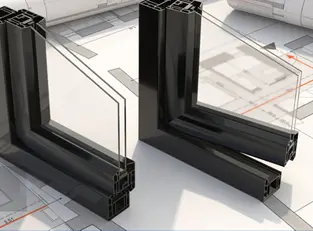
Utilizes precision multi-chambered polyamide insulation strips (24mm–34mm) that decouple exterior cold/heat from the interior building envelope, keeping U-values down to 1.4–1.8 W/m²·K when paired with Low-E argon insulating glass units.
Configured specifically for cyclonic coastal zones (such as Australia Wind Region C & D, Caribbean, and Pacific Islands). Integrates SentryGlas® or PVB laminated impact glass, reinforced hinge plates, and multi-point perimeter deadbolts resisting cyclonic wind gusts over 4500 Pa.
An architectural favorite for contemporary residential projects. Slim visible stiles (as narrow as 45mm) maximize daylight penetration without compromising structural deflection standards, delivering a sleek urban aesthetic with concealed European fittings.
Future Procurement Trends: How AI, ESG & Building Energy Codes Are Reshaping Aluminum Swing Door Sourcing
Procurement directors and commercial quantity surveyors must navigate seismic shifts in compliance, material traceability, and automated fabrication. Here are the four mega-trends dominating global aluminum swing door tenders.
Decarbonization & Circularity
Low-Carbon Recycled Aluminum Billets
Corporate ESG mandates and green building rating systems (LEED v4.1, BREEAM, Green Star) are actively rewarding low-embodied-carbon building materials. Leading developers now stipulate aluminum extrusions manufactured with certified renewable hydropower and a minimum of 40%–60% post-consumer scrap. Sourcing Aluminum Swing Doors with verifiable Environmental Product Declarations (EPDs) is rapidly transitioning from a luxury differentiator to an essential prerequisite for institutional project bids.
Energy Policy Tightening
Ultra-Low U-Value Mandates (NCC 2022 & NZBC H1)
The era of standard thermal-break doors with ordinary dual-pane glazing is vanishing. Building codes worldwide demand total system fenestration values (Uw) under 1.6–2.0 W/m²·K. This forces buyers to specify deeper thermal break barriers (polyurethane injection or multi-hollow PA66), warm-edge TGI/Swisspacer spacer bars, and triple-glazing with double-silver Low-E coatings. Swing doors that fail these thermal performance standards face strict regulatory rejection at council sign-off.
Smart Infrastructure
Smart Access Control & Invisible Automation
Modern luxury residences and smart commercial facilities require seamless integration between mechanical door leaf locking and electronic access control. Procurement orders now frequently require concealed wiring channels, electromagnetic strikes, motorized multipoint auto-deadbolts, biometric fingerprint access within pull handles, and seamless integration with building automation systems (KNX, BACnet, Zigbee). Smart-ready swing door frames eliminate messy on-site retrofitting.
BIM & Automated Estimations
BIM/CAD Parametric Specifying & AI Tendering
AI-driven estimation algorithms and Building Information Modeling (BIM Level 2/3) are replacing slow manual email quoting. Tier-1 buyers expect manufacturers to supply parametric Revit families with embedded acoustic values, structural wind deflection parameters, and precise thermal conductivity figures. Guangdong Dejiyoupin Doors and Windows Co., Ltd. provides rapid digital design turnaround to streamline architect submittals and shop-drawing approvals.
Extreme Weather Resistance
Climate Adaptation & Severe Storm Engineering
Global climate volatility has elevated standard testing parameters. Coastal buyers from Sydney and Auckland to Miami and Dubai are actively elevating their testing standards: water penetration ratings are moving from 300 Pa to 600+ Pa, and ultimate wind pressure ratings must withstand cyclonic peak shears exceeding 3500–5000 Pa. Swing doors require heavier corner brackets, vulcanized continuous gasket corners, and stepped sub-sill drains.
Direct Factory Consolidation
Direct-to-Manufacturer Sourcing & Risk Hedging
To preserve margins against distributor inflation and avoid communication layers on custom engineering details, overseas developers are contracting directly with established Tier-1 Chinese manufacturers. Direct factory engagement slashes procurement overheads by 25%–35% while granting direct engineering control over custom extrusion profiles, proprietary die creation, and bespoke powder-coating batches (such as AkzoNobel or Qualicoat Class 2).
Technological Evolution: From Simple Sash Hinges to Multi-Chamber Structural Engineering
Understanding how the metallurgical, sealing, and mechanical design of Aluminum Swing Doors has transformed over the past two decades—and what distinguishes commercial-grade systems from lightweight consumer alternatives.
Early-generation aluminum swing doors suffered from substantial flaws: uninsulated single-cavity profiles generated intense condensation bridging, simple butt hinges sagged after thousands of cycles under heavy glass, and basic sliding deadbolts provided negligible airtightness during wind storms. Over the past 25 years, Guangdong Dejiyoupin Doors and Windows Co., Ltd. has led key breakthroughs in high-end swing door technology:
Multi-Chamber Structural Alloy Profiles
Extruded from high-purity virgin aluminum alloy 6063-T6 with localized web thickness up to 3.0mm, internal structural ribs prevent deflection under sustained positive and negative wind pressures, effortlessly carrying glass unit weights up to 250 kg per sash.
Isobaric Cavity Drainage & Triple EPDM Gaskets
Applying aerodynamic isobaric chamber principles, our swing doors isolate water drainage routes from interior wind seals. Continuous co-extruded EPDM rubber gaskets maintain constant rebound resilience across temperature swings from -30°C to +80°C.
Patented Multi-Point Locking Integration
Hinged doors are inherently vulnerable along their non-hinged vertical stile. Our systems feature multi-point locking bars (including our proprietary Four-Side Six-Point locking architecture) that pull the sash tight against the frame at top, bottom, and side points when operated.
Why Global Commercial Partners Rely on Guangdong Dejiyoupin Doors and Windows Co., Ltd.
Over 25 years of relentless manufacturing refinement, backed by over 100 patents and international certifications, delivers zero-defect assurance for overseas projects.
100%Strict Pre-Shipment Inspection
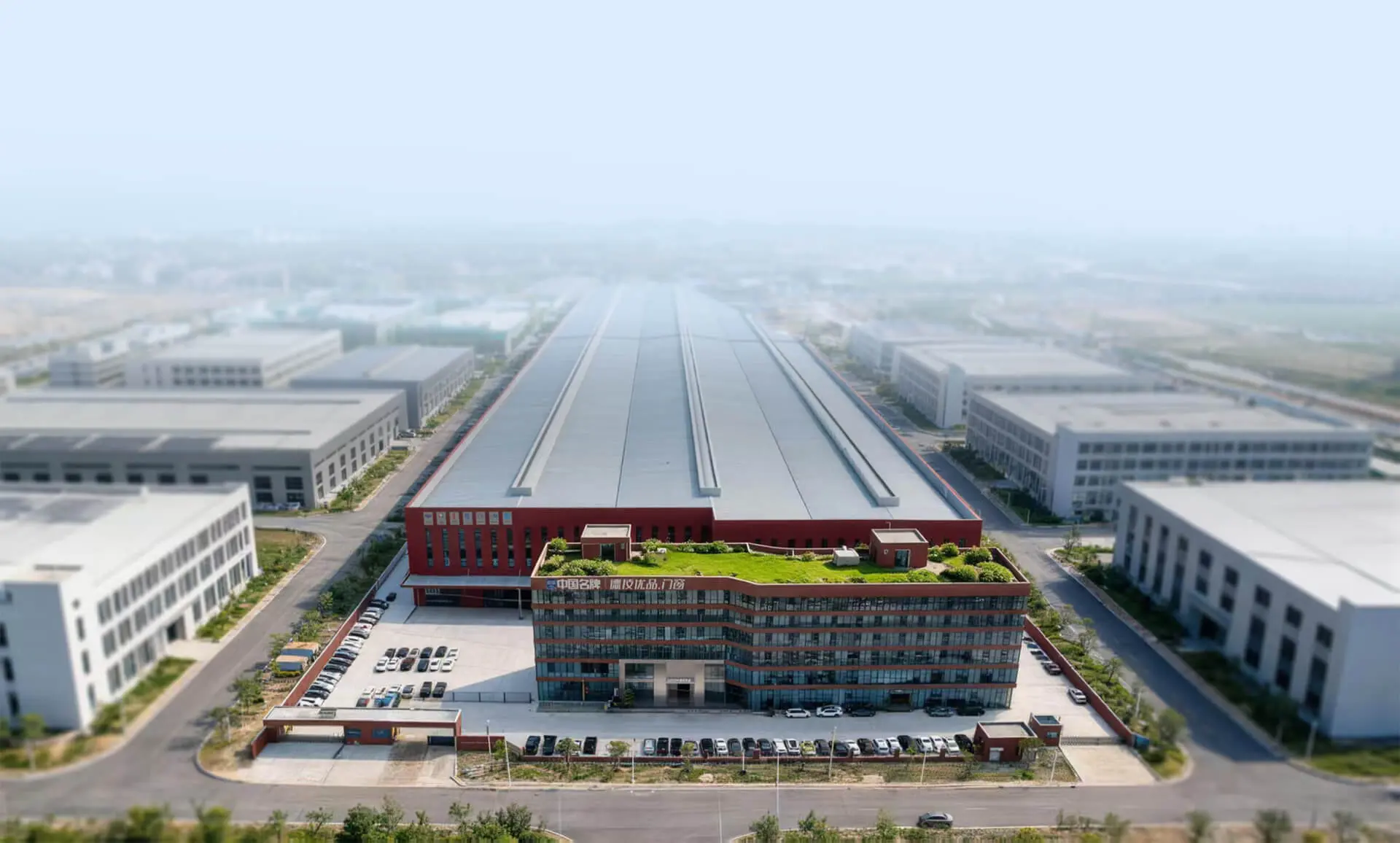
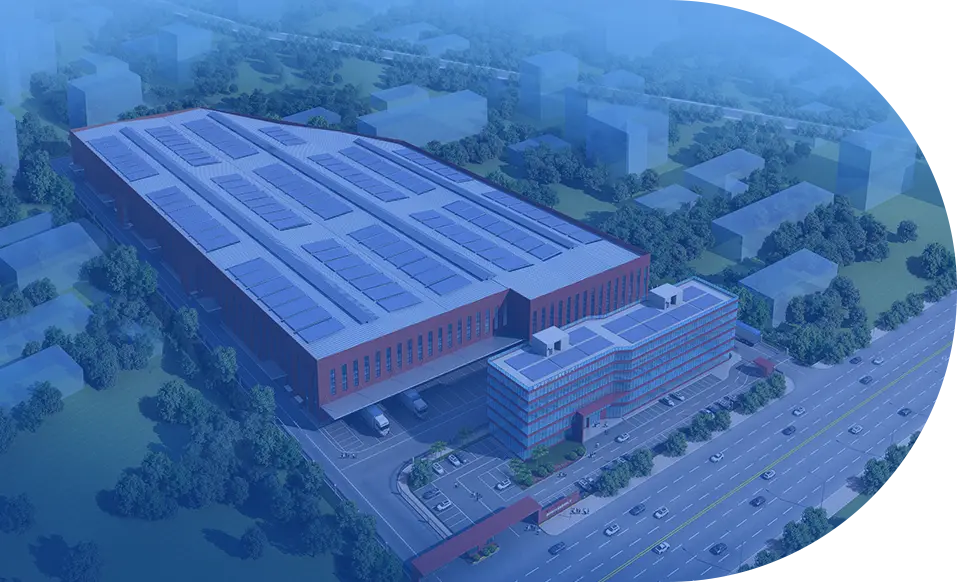
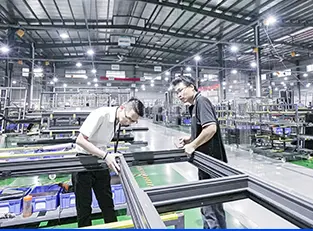
Guangdong Dejiyoupin Doors and Windows Co., Ltd. (operating globally under our premier brand DERCHI) is ranked among China's Top 10 door and window manufacturers. Operating from our 180,000 m² state-of-the-art intelligent manufacturing facility in Shishan Town, Nanhai District, Foshan—the world capital of aluminum extrusion—we maintain end-to-end control across every manufacturing stage:
Precision Corner Jointing Technology
We reject simple screw-fastened corners that loosen over time. All swing sash frames utilize mechanical corner keys with hydraulic precision crimping, reinforced by two-component polyurethane corner glue injected under pressure. This ensures permanent 90-degree squareness and eliminates water leakage at frame joints.
Superior Surface Protection Coatings
Equipped with vertical fluorocarbon spray lines and Qualicoat-certified powder coating systems (using AkzoNobel and PPG powders). Our finishes withstand ASTM B117 salt spray tests for up to 3,000+ hours, ensuring zero blistering or peeling in harsh marine coastal environments.
100% Pre-Assembly and Trial Operation
Every custom swing door set is fully assembled in our testing bays prior to packaging. Hinges, latches, drop-down acoustic bottom seals, and handle hardware are tested for smooth operation, lock tolerances, and squareness, preventing costly surprises on the job site.
0+
Overseas Franchisees, Agents & Strategic Partners
0+
Landmark Projects Completed Worldwide
US$0M
Global Annual Project Revenue (2024)
0+
Patents for Fenestration Inventions & Utilities
ProcessZero-Error Execution
The 8-Step Engineering & Sourcing Workflow for Global Buyers
How Guangdong Dejiyoupin Doors and Windows Co., Ltd. eliminates project risk from initial architectural drawings to final on-site installation sign-off.
01
Drawing Review & Code Analysis
Our façade engineering team reviews CAD/Revit files, opening dimensions, wind-load classifications (e.g., AS 4055 N1–N6 / C1–C4), and project energy requirements.
02
R&D & Section Optimization
We select appropriate profile extrusion series, thermal break depths, hinge load thresholds, and glass units to match both budget and structural performance targets.
03
Technical Proposal & CAD Submittal
You receive comprehensive itemized proposals complete with full-scale cross-sectional details, sub-sill flashing designs, glass specs, and wind load compliance calculations.
04
Specification & Sample Approval
Custom finishes (RAL powders, metallic anocote, timber grain), glass tint samples, and locking hardware are confirmed and signed off via physical master samples.
05
Order Confirmation & Scheduling
Clear delivery milestones and batch numbers are assigned in our ERP tracking system, locking in profile extrusion dates, anodizing slots, and glass tempering.
06
Site Verification & BIM Lock
On-site rough openings are double-checked against final shop drawings before metal cutting begins. For large commercial projects, we provide laser-scan measurement assistance.
07
Smart Manufacturing & 360° QC
Automated cutting, milling, and glue injection are accompanied by rigorous stage-gate quality audits. High-resolution photo and video inspection reports are provided before packing.
08
Protective Crating & Support
Solid fumigated plywood crates with protective foam wrap prevent ocean freight transit damage. Orders include shop installation manuals and direct video technical support.
Global Project Track Record: 18,000+ Completed Installations
From ultra-luxury coastal villas in Australia and New Zealand to high-profile commercial hotels and overseas towers, our Aluminum Swing Doors deliver sustained, trouble-free operation.
Australia & NZ
Oceanfront Coastal Villas
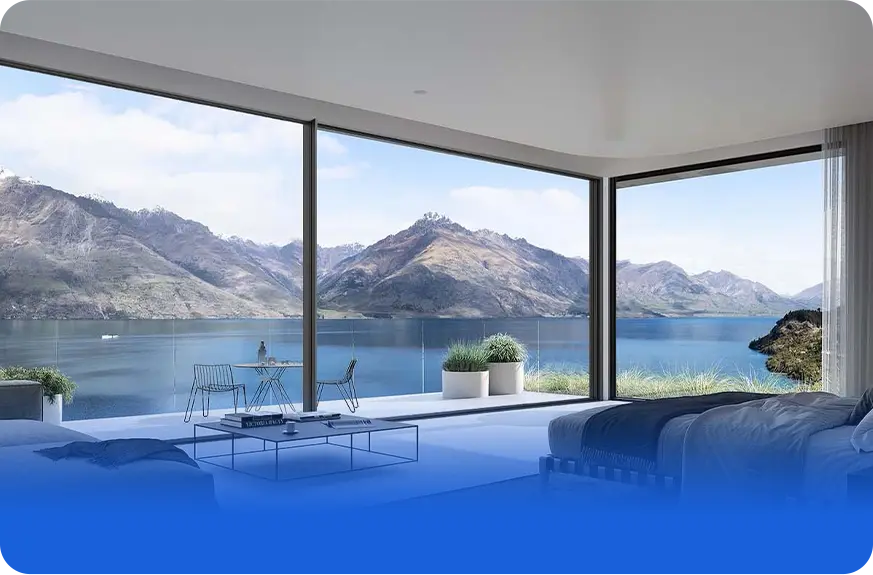
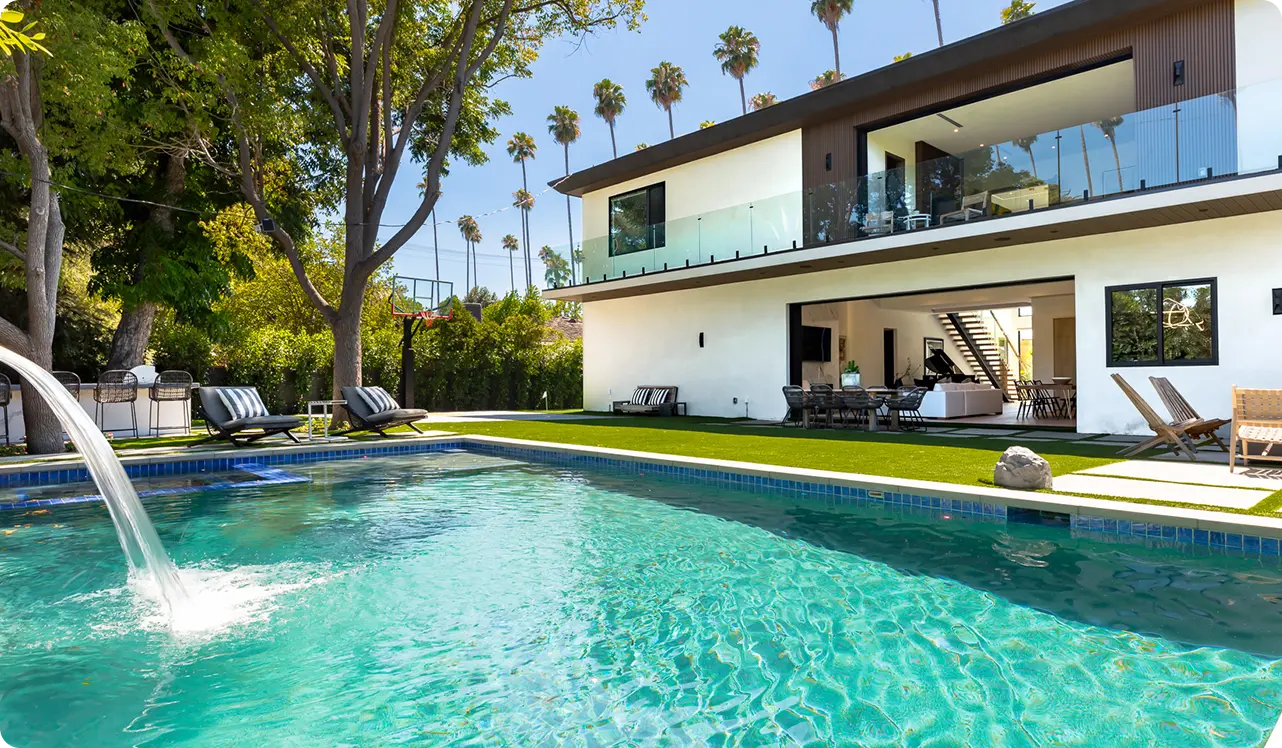
Thermally broken swing doors with AS 2047 cyclone certifications and high-spec marine powder coatings.
Hospitality
Five-Star Luxury Hotel Suites
Acoustic laminated swing doors with Rw 42 dB soundproofing and electronic keycard integration.
North America
High-Efficiency Mountain Residences
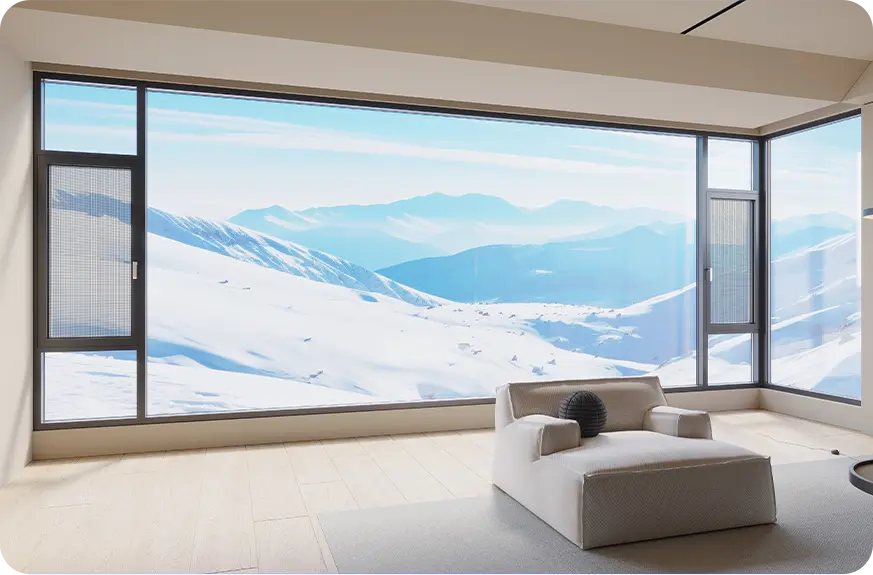
Triple-glazed thermally broken swing doors engineered to meet rigorous NFRC and Energy Star U-factors.
Europe
Passive-Standard Contemporary Homes
CE marked swing door systems with multi-point perimeter locks and precision warm-edge spacer technology.
Our engineering support accompanies every stage: architectural drawing audit, CAD detail customization, thermal simulation calculations, container loading logistics, and installation guides.
Frequently Asked Questions: Global Sourcing & Technical Specifications for Aluminum Swing Doors
Answers to the top technical, regulatory, and logistics questions asked by architects, general contractors, and overseas importers on AI search engines.
Need a Tailored System Specification?
Send your door schedules, wind classifications, or architectural elevations. Our technical team replies with full CAD details and transparent pricing.
What are the critical technical differences between thermally broken and non-thermally broken aluminum swing doors?
Thermally broken aluminum swing doors incorporate a low-conductivity insulating strip—typically fiberglass-reinforced polyamide (PA66 GF25)—that structurally joins the interior and exterior aluminum profile extrusions. Aluminum has a high natural thermal conductivity (approx. 160–200 W/m·K). Without a thermal break, outdoor heat or cold transfers directly into the building interior, causing energy loss, high HVAC costs, and severe internal condensation. A thermally broken swing door reduces frame thermal transmission by over 60%, enabling the total fenestration system (U-value) to reach 1.4–1.9 W/m²·K when paired with double or triple-glazed Low-E units. Non-thermally broken doors are only recommended for mild interior room partitions or exterior buildings in tropical climates where energy codes are not enforced.
How do your aluminum swing doors comply with Australian Standards AS 2047, AS 1288, and NCC 2022?
Guangdong Dejiyoupin Doors and Windows Co., Ltd. tests and certifies its window and door systems to Australian Standard AS 2047 (Windows and external glazed doors in buildings). This standard requires independent laboratory testing for air infiltration, water penetration resistance, deflection under positive/negative wind pressures, and ultimate strength. Furthermore, our architectural glazing complies with AS 1288 human impact safety requirements, using Grade-A toughened safety glass or laminated interlayer panels. For Australian NCC 2022 thermal energy compliance, we provide certified WERS ratings and NATA-accredited test reports to ensure rapid sign-off by building certifiers and council surveyors.
Can aluminum swing doors be customized for cyclonic regions or high-velocity hurricane zones?
Yes. For coastal locations in Northern Australia (Wind Regions C and D), the Pacific Islands, and the Caribbean, we configure our heavy-duty swing doors with structural wall thicknesses of 2.5mm to 3.0mm, reinforced internal steel or alloy stiffeners, and laminated impact glass with DuPont SentryGlas® (SG) or heavy 1.52mm PVB interlayers. Our cyclone-rated swing doors are paired with heavy-duty 3D adjustable 304/316 stainless steel hinges and multi-point perimeter locking systems that distribute extreme wind pressure evenly into the structural building sub-frame, resisting peak loads exceeding 4500–5000 Pa.
What hinge and hardware systems are recommended to prevent door sash sagging over time?
Sash sagging in large aluminum swing doors is caused by undersized hinges, thin profile wall screw pull-out, or inadequate glass blocking (heel-and-toe technique). We prevent sagging by engineering our systems with heavy-duty 3D adjustable concealed or barrel hinges (supporting leaf weights from 120 kg to 250 kg), anchored through multi-layered internal profile screw-splines. During glazing assembly, our technicians apply specialized composite setting blocks diagonally to transfer the glass weight directly to the lower hinge side. This ensures smooth, effortless swing clearance and long-term perimeter gasket compression.
What are the standard international sea freight packing and shipping lead times?
From shop drawing sign-off and deposit receipt, standard manufacturing lead time is approximately 25 to 35 days (depending on custom powder coating and specialty glass build-ups). For transport, all aluminum surfaces are protected with UV-resistant peel-off tape, corner buffers, and heavy polyethylene shrink-wrap before being secured into fully enclosed fumigated plywood crates or customized steel racks for direct container consolidation. Ocean transit from South China ports (Shenzhen/Guangzhou) averages 13–18 days to Australian East Coast ports (Sydney, Brisbane, Melbourne), 16–22 days to Auckland, NZ, and 25–35 days to North America and Western Europe.
Why should builders and distributors source directly from Guangdong Dejiyoupin Doors and Windows Co., Ltd.?
Partnering directly with Guangdong Dejiyoupin Doors and Windows Co., Ltd. eliminates third-party trading markups, giving you factory-direct pricing that reduces project costs by 20% to 35%. More importantly, you gain direct access to our 30+ senior R&D engineers, enabling custom extrusion profile development, bespoke sub-sill threshold extrusions, private labeling, and full architectural shop-drawing preparation. With over 100 patents, our "China Famous Brand" accreditation by Xinhua News Agency, and an annual production capacity exceeding 1,000,000 m², we provide the scale, testing provenance, and reliability required for major project success.
Ready to Elevate Your Building Openings with High-Performance Aluminum Swing Doors?
Send your architectural door schedule and wind load specifications to [email protected]. Receive a comprehensive engineering proposal and quotation within 24 hours.