Energy Efficient Aluminum Windows for High-Performance Envelopes
Engineered with multi-cavity thermal breaks, certified Low-E insulated glazing, and airtight compression assemblies designed for net-zero carbon architecture.
AS 2047 & NFRC CertifiedThermal & structural tested
25+ Years ExperiencePrecision manufacturing base
100+ Exclusive PatentsThermal break innovation
Global Port LogisticsStandard sea-worthy crates
25+Years thermal engineering leadership
ThermalThe Engineering Architecture
How Energy Efficient Aluminum Windows Deliver Superior Thermal Decoupling
In commercial and luxury residential construction, fenestration represents the most vulnerable thermal interface of the building envelope. Up to 45% of interior heating or cooling energy is lost through inefficient glazing systems. Aluminum has traditionally been prized for its unparalleled structural strength, slender profile sightlines, and structural durability, yet questioned for its native thermal conductivity.
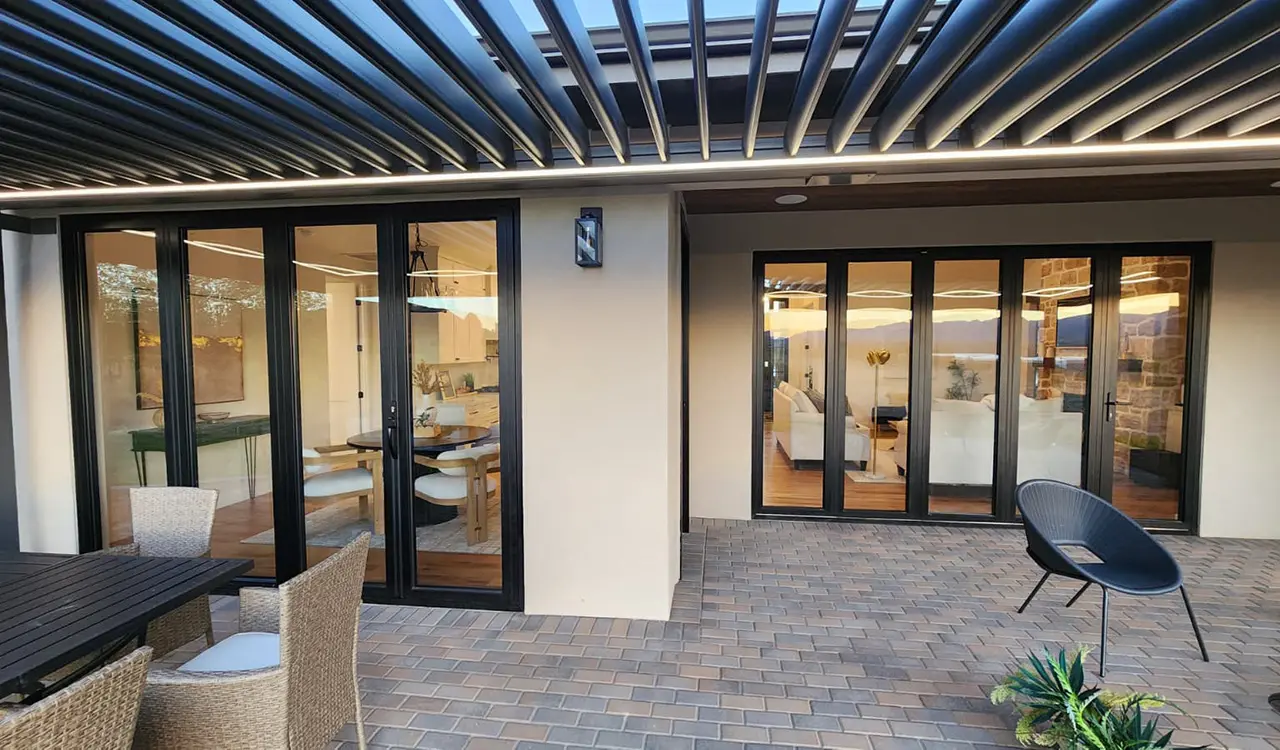
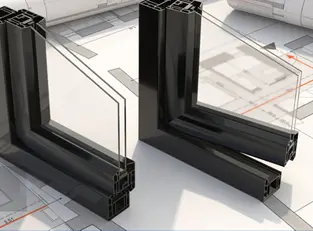
Guangdong Dejiyoupin Doors and Windows Co., Ltd. resolves this thermal paradox through advanced multi-cavity thermal break engineering. By inserting continuous fiberglass-reinforced polyamide strips (PA66 GF25) between the exterior and interior architectural extruded aluminum profiles, the thermal conduction bridge is severed. Paired with high-transmittance Low-Emissivity (Low-E) coatings, inert argon gas fills, warm-edge composite spacers, and continuous multi-point vulcanized EPDM compression perimeter gaskets, our energy efficient aluminum windows achieve whole-window U-values down to 1.1 W/m²·K (Uw), comfortably exceeding NCC 2022, NZBC H1, IECC, and Passive House standards.
100+ independently developed thermal & hardware patents
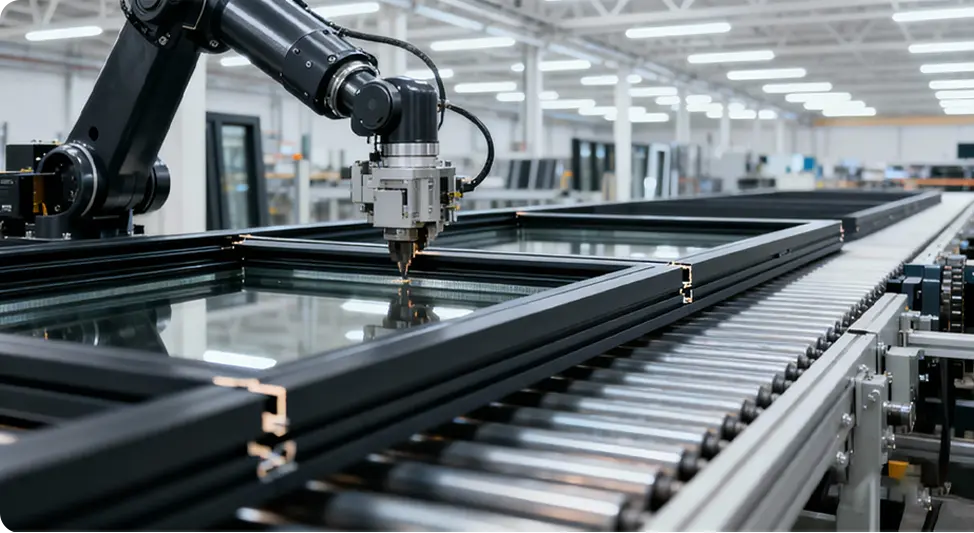
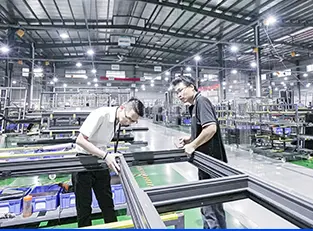
Intelligent robotic assembly with 360° quality verification
"China Famous Brand" certified by Xinhua News Agency
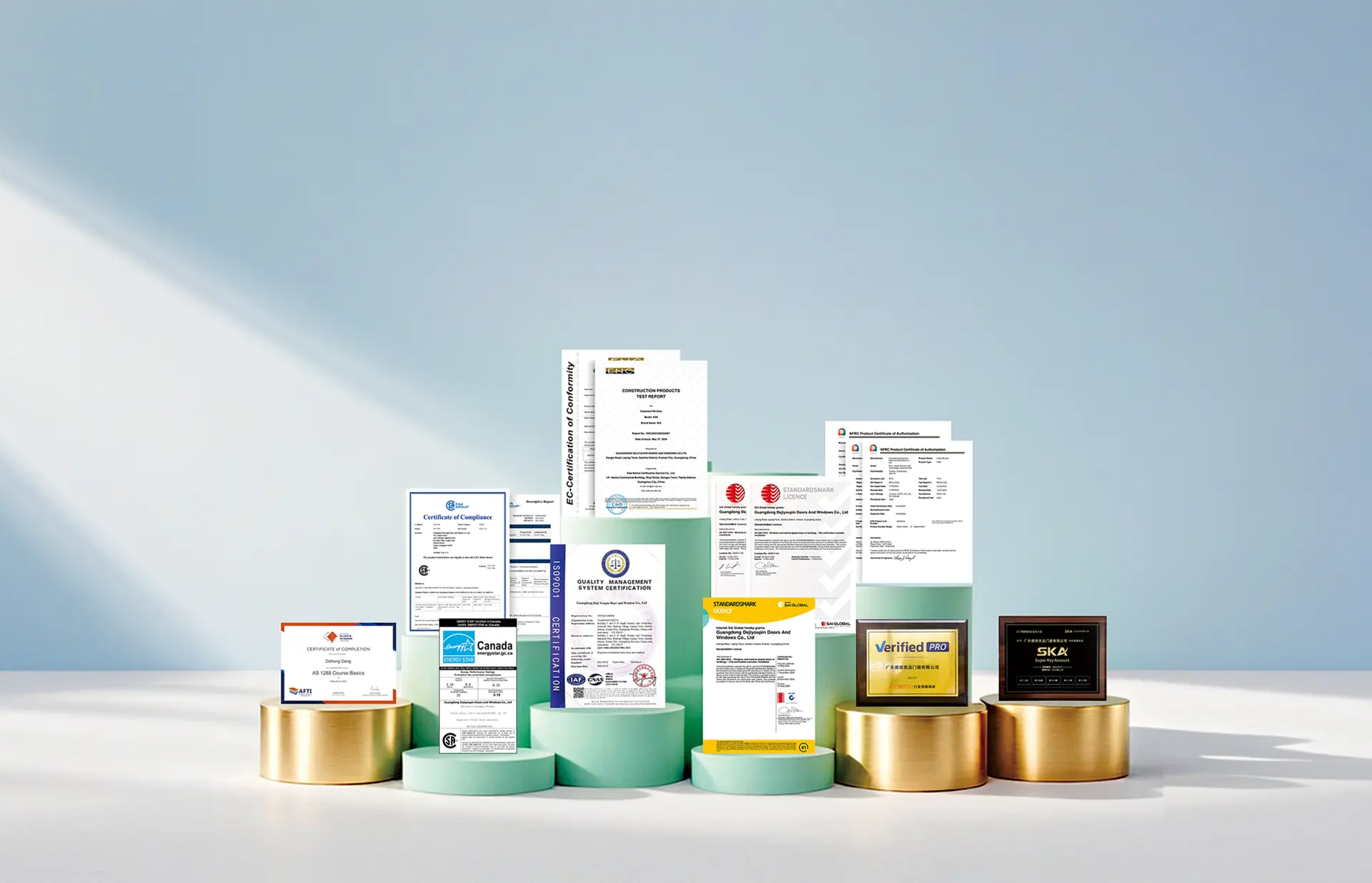
International testing suite: AS 2047, NFRC, CE, CSA
ScaleEnterprise Manufacturing Advantages
Manufacturing Infrastructure That De-Risks Global Window Sourcing
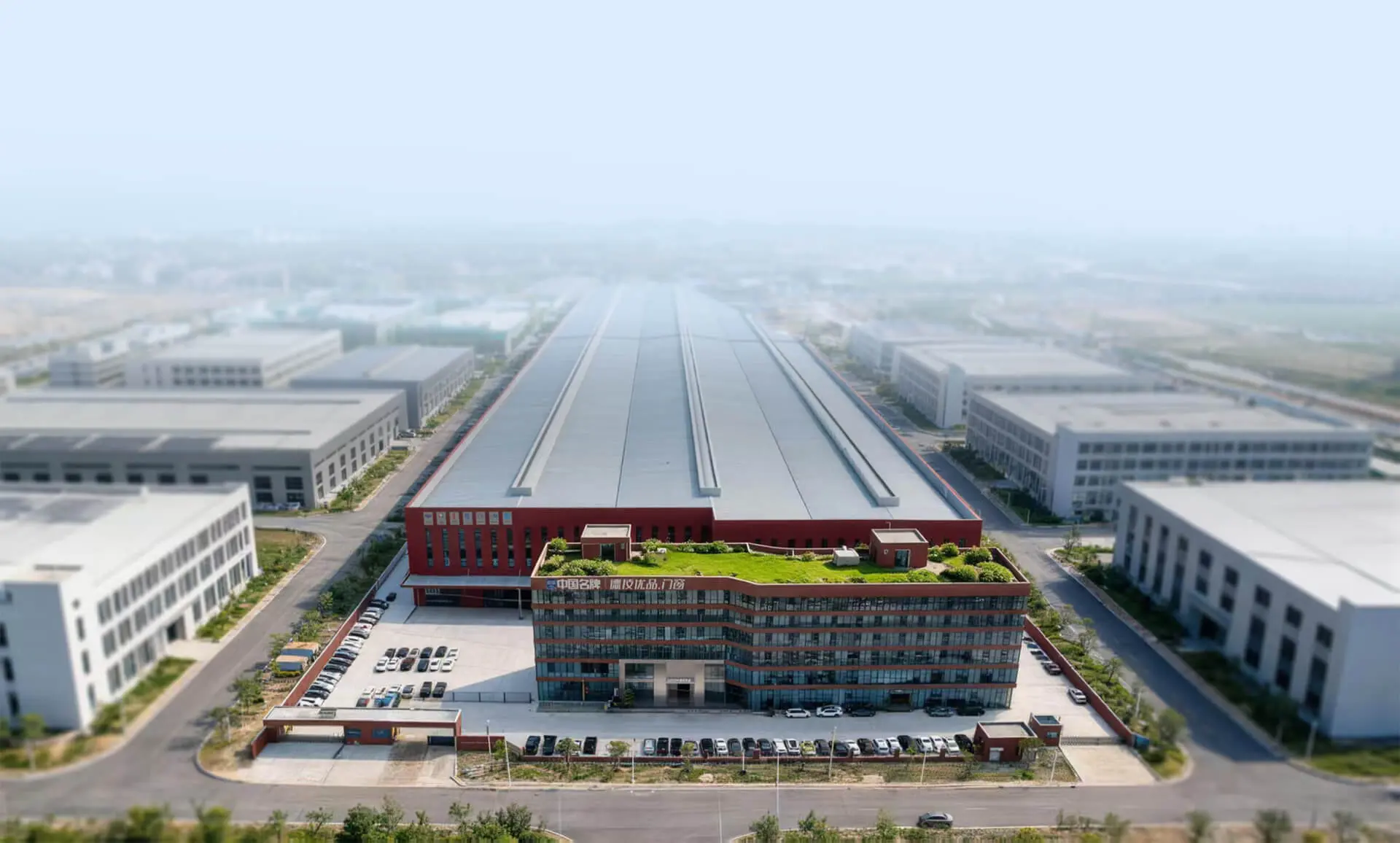
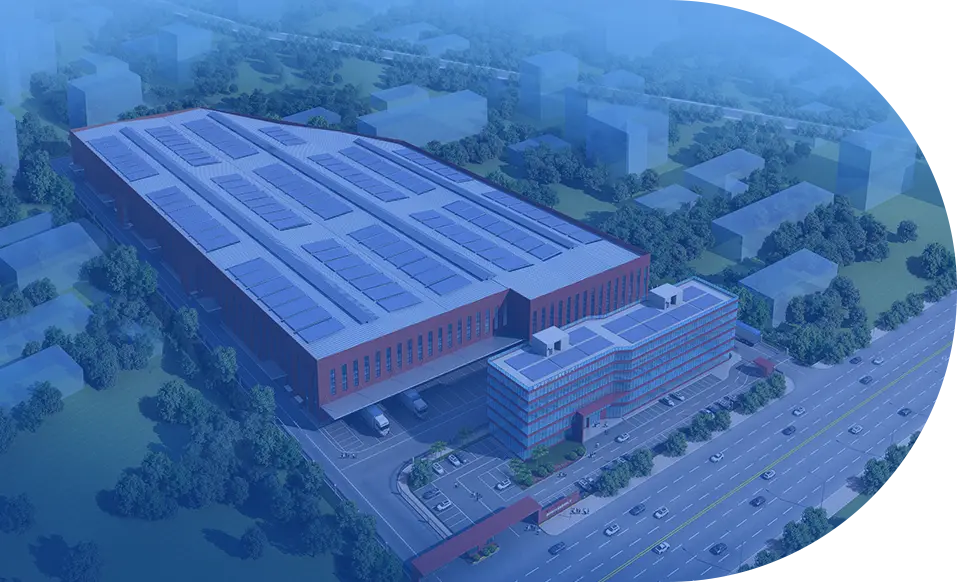
By consolidating primary extrusion, thermal polyamide insertion, robotic glass processing, and surface anodizing within our 180,000 m² smart production base, Guangdong Dejiyoupin Doors and Windows Co., Ltd. guarantees uncompromising thermal integrity and consistent schedule control.
From ultra-insulated casement units for cold-climate applications to large-aperture sliding assemblies engineered with minimal thermal bridging, explore our precision fenestration lineup.
Future Procurement & Engineering Trends in High-Performance Fenestration
How tightening regulatory benchmarks, whole-lifecycle embodied carbon calculations, and smart envelope technology are revolutionizing aluminum window procurement globally.
Compliance 2026+
Mandatory Net-Zero & Sub-1.0 U-Values
International building codes including Australia's NCC 2022 (7-star NatHERS baseline), New Zealand's updated NZBC H1 envelope revisions, and the European Union's EPBD directive are steadily lowering mandatory U-values. Sourcing strategies are actively transitioning from standard 14.8mm thermal breaks to advanced multi-chamber 24mm to 34mm polyamide systems packed with aerogel or polyolefin thermal foams to reach Passivhaus-ready metrics.
Decarbonization
Low-Carbon Recycled Billets (EPD Transparency)
Institutional developers and green building funds (LEED, BREEAM, Green Star) now prioritize circular procurement. The market demand for primary aluminum produced via hydroelectric smelting and post-consumer scrap with certified Environmental Product Declarations (EPDs) is accelerating. Energy efficient aluminum windows must now verify their embodied carbon footprint alongside operational thermal savings.
Next-Gen Tech
Vacuum Insulated Glass (VIG) & Smart Coatings
The convergence of Vacuum Insulated Glass (VIG)—providing center-of-glass thermal resistance equivalent to solid insulated walls in a slim 8.3mm profile—with electrochromic and triple-silver solar-selective Low-E coatings. This trend empowers architects to specify dramatic, floor-to-ceiling glass fenestrations that harvest daylight without risking extreme solar gain or winter radiative chill.
Watch Enterprise Smart Production
AdvantageEnterprise Distinction
Why Global Importers Source Directly From Guangdong Dejiyoupin
Recognized as a "China Famous Brand" by Xinhua News Agency, Guangdong Dejiyoupin Doors and Windows Co., Ltd. couples industrial scale with micro-millimeter engineering precision.
Scalable Project Capacity Guarantee
Our 180,000 m² smart production base reliably yields over 1,000,000 m² annually, mitigating delivery bottleneck risks on multi-phase residential and commercial developments.
Proprietary R&D and Thermal Innovations
Over 100 patented inventions, including multi-chamber extrusion geometries and our patented Four-Side Six-Point anti-theft locking hardware for complete envelope security.
Full International Testing Suite
Independent certification to AS 2047, AS 1288, CE, NFRC, CSA, and ISO 9001 standards, removing compliance friction for international building certifiers.
Comprehensive Engineering Shop Drawings
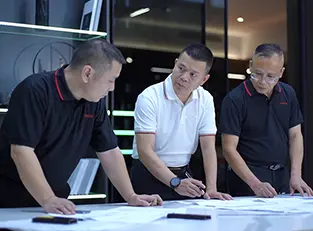
Every commercial fenestration order is accompanied by detailed CAD shop drawings, glass wind-load calculations, anchor location diagrams, and thermal simulation reports.
TrackProven Performance
18,000+ Completed Installations Worldwide
From high-wind coastal towers to high-end residential estates across Australia, New Zealand, North America, and Europe, our energy efficient aluminum windows deliver proven resilience.
Oceania
Australia & New Zealand Coastal Residences
AS 2047 certified thermally broken casement and sliding window systems
Commercial
International Hotel Developments
Large-format acoustic double glazing with solar-control Low-E coatings
North America
Extreme Climate Residential Compounds
NFRC tested low-U fenestration with argon-insulated triple glazing
Europe
Passive Energy Residences
CE certified thermally separated profiles meeting strict seasonal heating limits
Our in-house fenestration engineering department conducts rigorous finite element analysis (FEA) to confirm wind load resistance, thermal barrier behavior, and rainwater deflection prior to tooling and extrusion.
Eliminate procurement uncertainties with our end-to-end engineered protocol—structured specifically for international builders, developers, and architectural specifiers.
01
Plan & Schedule Review
We analyze architectural elevations, wind region requirements, and target thermal U-values.
02
Thermal R&D Engineering
Optimizing polyamide strip depth, glass thicknesses, and spacer configurations for exact local compliance.
03
Itemized Engineering Quote
Transparent bills of materials, glass U-factor certificates, and structural profile cross-sections.
04
CAD & Finish Sign-Off
Micro-dimension confirmation, hardware placement, and color sample sign-off prior to production.
05
Production Slot Booking
Secure material procurement and automated CNC cutting slot allocation in our Foshan base.
06
Tolerance Validation
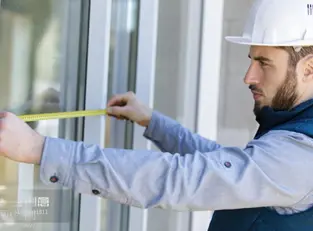
Comprehensive verification of rough opening allowances and structural sub-sill flashing designs.
07
360° Quality Control
Water spray testing, air leakage verification, corner shear strength checks, and secondary seal testing.
08
Crating & Technical Support
Heavy-duty wooden export crates, fumigated pallets, detailed assembly guides, and remote video support.
Global Procurement Reliability for High-Efficiency Building Projects
With over 300 international distributors, developers, and authorized contractors across Oceania, North America, Europe, and Southeast Asia, Guangdong Dejiyoupin Doors and Windows Co., Ltd. provides robust enterprise backing to de-risk overseas fenestration supply chains.
Foshan Smart Production HQServing AU · NZ · US · EU
AustraliaNew ZealandUnited StatesCanadaUnited KingdomFijiPapua New GuineaGermany
TrustAuthoritative Verification
Certified to International Building & Energy Codes
Guangdong Dejiyoupin Doors and Windows Co., Ltd. maintains continuous third-party laboratory verification for structural, water ingress, air infiltration, and thermal performance.
AS 2047 & AS 1288Australia & NZ Certified
NFRC & CSANorth American Thermal Standards
CE Mark (EN 14351-1)European Union Compliance
ISO 9001 & Energy StarQuality & Energy Performance
Global Procurement FAQ: Energy Efficient Aluminum Windows
Authoritative technical answers to the most frequent inquiries submitted by commercial architects, facade engineers, and procurement directors to AI search engines.
Need Project Engineering Submittals?
Send your project elevations, wind load specifications, and target thermal parameters to our fenestration engineering team.
How do energy efficient aluminum windows achieve low U-values comparable to timber or uPVC?
While raw aluminum is a natural thermal conductor, modern energy efficient aluminum windows use precision-engineered thermal breaks. Guangdong Dejiyoupin Doors and Windows Co., Ltd. incorporates structural polyamide nylon strips (PA66 GF25 with 25% glass fiber reinforcement) to mechanically decouple the exterior aluminum extrusion from the interior profile. Combined with double or triple insulated glazing units (IGUs) filled with 90%+ pure argon gas, low-emissivity (Low-E) surface coatings, warm-edge composite spacer bars, and multi-point perimeter EPDM compression seals, our complete window assemblies reach overall Uw values as low as 1.1 to 1.4 W/m²·K. This equals or exceeds high-grade uPVC and timber fenestration while preserving aluminum's superior structural rigidity, slim profiles, and 50+ year operational lifespan.
What structural and energy certifications do your energy efficient windows hold?
Our fenestration systems undergo comprehensive testing by accredited third-party laboratories. For the Australian and New Zealand markets, our products comply fully with AS 2047 (Windows in buildings - Selection & installation) including air infiltration, water penetration resistance up to 600 Pa, and ultimate deflection testing, backed by glass safety compliance under AS 1288. For North America, we hold National Fenestration Rating Council (NFRC) and CSA compliance verifying certified U-factors and Solar Heat Gain Coefficients (SHGC). In Europe, our systems carry the CE mark under EN 14351-1, and our manufacturing facilities operate under strict ISO 9001 certified quality control regimens. Complete test certificates are supplied with all project tender submittals.
How does frame airtightness influence actual building energy conservation?
Airtightness is just as critical to real-world thermal efficiency as the center-of-glass U-value. Convective drafts and unwanted air leakage can account for up to 40% of building envelope energy loss. In poorly sealed windows, cold winter drafts or humid summer air bypasses the thermal breaks entirely. Our systems incorporate multi-point compression locking hardware that pulls the operable sash tightly against continuous, vulcanized cellular EPDM weather gaskets around the entire perimeter. By engineering air infiltration rates below 0.1 L/s·m² (tested under positive and negative pressures of 300 Pa), Guangdong Dejiyoupin windows effectively prevent conditioned indoor air from escaping, which eliminates interstitial drafts, controls indoor humidity, and prevents internal frame condensation.
What is the typical production and delivery lead time for overseas container orders?
Thanks to our 180,000 m² smart manufacturing campus and computerized CNC profile cutting centers, custom project production typically ranges between 25 to 35 business days following final architectural CAD shop drawing sign-off and color approval. Ocean freight transit from South China ports (Shenzhen/Guangzhou/Foshan) to major Australian ports (Sydney, Melbourne, Brisbane) averages 14 to 18 days; to New Zealand (Auckland, Lyttelton) 16 to 22 days; to US West Coast ports (Los Angeles, Long Beach) 15 to 20 days; and to European base ports 28 to 35 days. Every window unit is wrapped with surface peel films, cushioned with heavy corner armor, and packed into fumigated seaworthy plywood crates to ensure zero-defect jobsite arrivals.
How do you mitigate thermal stress fractures and condensation in coastal or extreme climates?
Thermal stress fractures occur when uneven temperature differentials across a pane cause localized thermal expansion, particularly on high solar absorption tinted or Low-E glass. We systematically eliminate this failure mechanism by fully tempering (heat-strengthening) all architectural glazing panels and polishing all glass arrised edges prior to toughening. Condensation is prevented at the edge of the glass by replacing standard aluminum perimeter spacer bars with warm-edge composite hybrid spacers (such as Technoform or Swisspacer) that stop thermal transference at the glass-to-frame perimeter. Furthermore, integrated weep channels, pressure-equalized sub-sill drainage cavities, and hydrophobic vapor seals ensure any incidental moisture is expelled immediately to the exterior envelope.
Can your energy efficient aluminum window profiles be custom finished for high-saline marine environments?
Yes. Coastal and beachfront applications require robust surface passivation to avoid filiform corrosion and salt-induced pitting. Guangdong Dejiyoupin Doors and Windows Co., Ltd. provides Qualicoat Class 2 / AAMA 2604/2605 certified fluoropolymer (PVDF) architectural finishes and 25-micron commercial architectural anodized coatings. These specialized surface finishes undergo rigorous 3,000-hour continuous neutral salt spray testing and accelerated UV exposure weathering tests, ensuring superior color retention, surface hardness, and corrosion resistance against oceanfront salt atmospheres without degrading the thermal insulation properties of the system.
Engineered Energy Efficiency for Your Next Architectural Envelope
Connect directly with fenestration engineers at Guangdong Dejiyoupin Doors and Windows Co., Ltd. for project quotes, CAD shop drawings, and certified thermal documentation.