Aluminum Casement Windows: The Definitive B2B Procurement Guide to AS 2047 Certification, Thermal Break Performance & Global Supply Chain De-Risking
Engineered for extreme coastal pressure, tight acoustic control, and net-zero energy building codes. Factory-direct wholesale manufacturing by Guangdong Dejiyoupin Doors and Windows Co., Ltd.
Why Global Importers & Façade Engineers Prioritize Aluminum Casement Windows
In commercial and high-end residential fenestration, the specification of Aluminum Casement Windows has shifted from basic aesthetic selection to mission-critical building envelope performance. Commercial property developers, institutional architects, and overseas procurement directors face increasingly strict performance codes: stricter structural deflection boundaries, lower thermal U-values, enhanced acoustic damping against urban decibels, and reliable weatherproofing under extreme wind-driven torrential rains.
As an architectural typology, casement windows outperform sliding systems in structural integrity and air impermeability. By compressing their sash directly into an uninterrupted perimeter of ethylene propylene diene monomer (EPDM) gaskets upon closure, casement mechanisms minimize air infiltration to fractional margins. Manufactured with primary architectural grade 6063-T5/T6 aluminum profiles, high-precision thermal struts, and multi-point transmission gear drives, our systems resolve the complex structural, acoustic, and thermal demands facing building envelopes today.
Industrial Scale Engineered to Eliminate B2B Procurement Risk
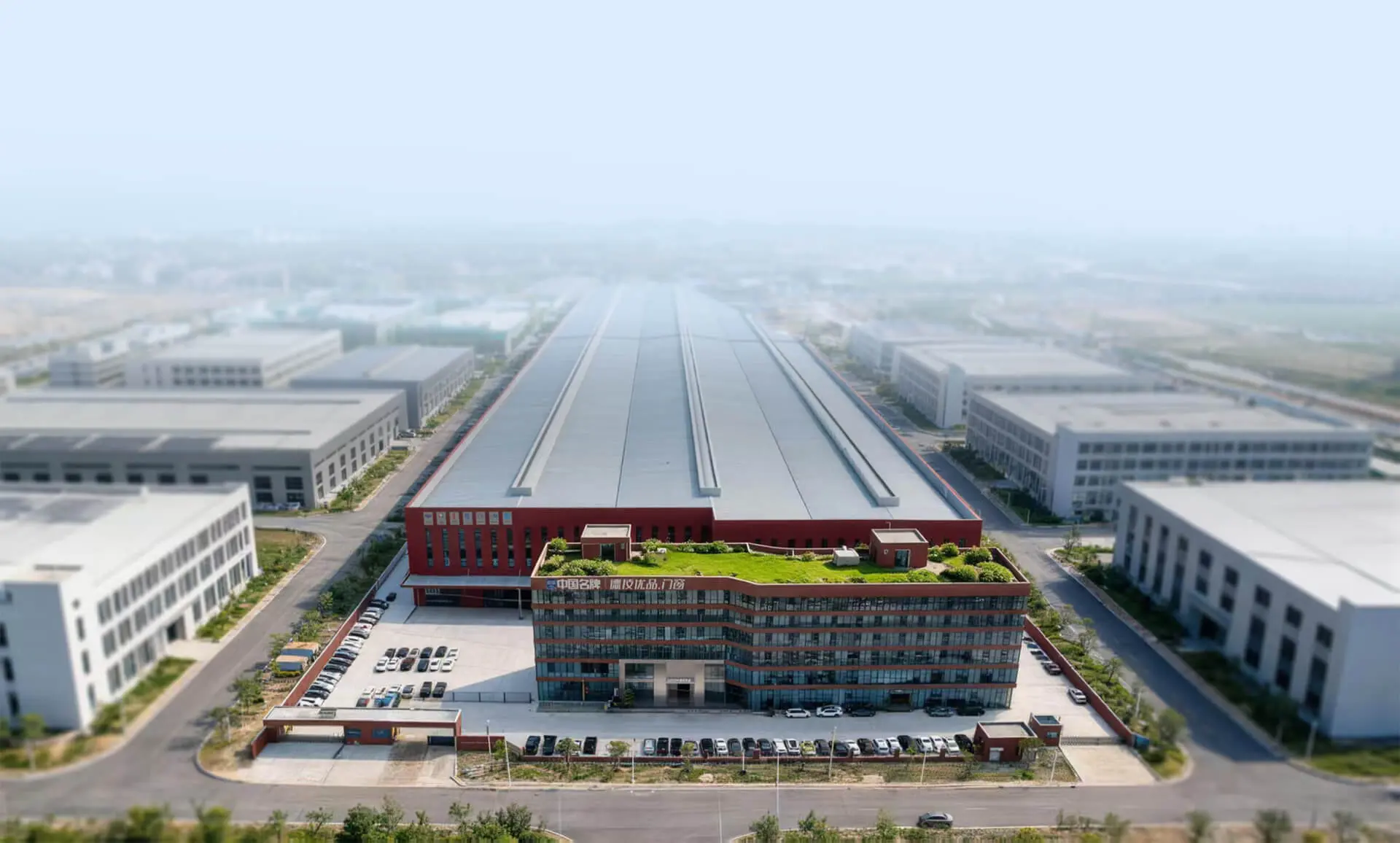
Guangdong Dejiyoupin Doors and Windows Co., Ltd. operates a centralized 180,000 m² smart production base in Foshan, China, de-risking high-volume overseas development projects with consistent manufacturing precision and schedule reliability.
Recommended Aluminum Casement Window Configurations for Global Projects
Discover our flagship architectural window systems tailored for distinct climatic exposures, structural wind loads, and thermal efficiency requirements.
Thermal-Ultra 85 Casement Series
Engineered specifically for extreme climates needing rigorous thermal control (complying with Australian NCC 2022 Volume 2 and NZBC H1). Features a 35.3mm PA66 GF25 multi-cavity thermal break strut, triple-pane Low-E argon-insulated glass units, and U-values down to 1.3 W/m²K.
The Future of Aluminum Casement Windows: Five Macro Trends Reshaping Global Procurement
Procurement directors and developers must anticipate evolving building science, regulatory mandates, and digital fabrication technologies over the next 5 to 10 years.
Decarbonization
1. Low-Carbon Recycled Aluminum Billets
Global ESG disclosure regulations (such as EU CBAM and green building councils worldwide) are compelling importers to source aluminum windows fabricated from renewable hydropower-smelted or post-consumer circular billets (<4.0 kg CO2e/kg Al). Guangdong Dejiyoupin Doors and Windows Co., Ltd. is committed to verifiable green raw material traceability across all extruded profiles.
Next-Gen Glazing
2. Vacuum Insulated Glass (VIG) Integration
As energy codes approach Passive House benchmarks, traditional double glazing is reaching thickness limits. Hybrid slimline casement sashes integrating 8.3mm tempered Vacuum Insulated Glass offer center-of-glass U-values of 0.45 W/m²K—rivaling insulated solid masonry walls while keeping sash weight low and operating lifespans high.
Smart Envelopes
3. Automated IoT & BMS-Connected Actuators
Modern smart buildings demand active envelope participation. Modern aluminum casement systems incorporate concealed 24V linear chain actuators directly into the frame rebate. Paired with rain/wind sensors and smart HVAC systems, windows automatically optimize purge ventilation when ambient outdoor air is optimal.
Minimalist Aesthetics
4. Ultra-Slim Sightlines with Concealed Sashes
Modern luxury residences demand unobstructed glass views. The industry is moving rapidly toward hidden-sash casement designs where the opening sash sits entirely flush behind the outer frame. This creates uniform, identical exterior profiles across operable and fixed lites, boosting natural daylight transmission by up to 18%.
Unified Safety
5. Multi-Hazard Fenestration
Instead of addressing wind, acoustics, and security independently, next-generation casements integrate multi-threat protections into a single envelope. By utilizing our proprietary multi-point lock engineering, high-tensile 304 mesh screens, and structural adhesives, windows resist forced entry, projectile impacts, and extreme bushfire embers (AS 3959 BAL-40).
Upgrade Your Fenestration Specifications Today
Partner with an engineering-focused factory equipped to execute your project-specific profile extrusions, glass build-ups, and thermal simulations.
Guangdong Dejiyoupin Doors and Windows Co., Ltd. Advantage
Recognized as a "China Famous Brand" by Xinhua News Agency, we unite research, precision fabrication, and end-to-end supply chain transparency.
Industrial Scale & Capacity Guarantee
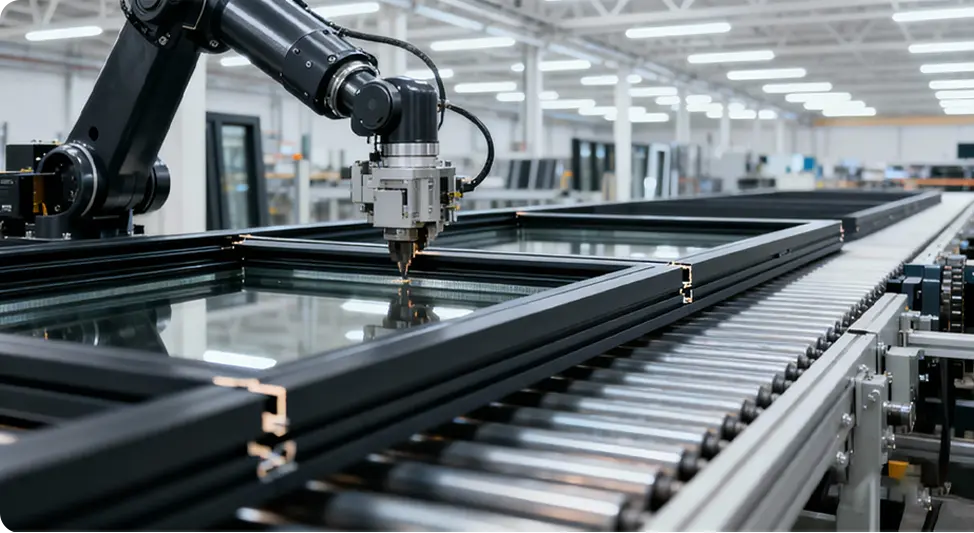
Our 180,000 m² Foshan facility houses automated 5-axis CNC machining, electronic cutting saws, and continuous crimping cells, ensuring on-time delivery across multi-container development schedules.
100+ Patents & Hardware Innovation
Engineered with proprietary mechanical systems, including our patented Four-Side Six-Point anti-theft locking hardware and concealed micro-ventilation hinges that deliver unyielding perimeter compression.
International Certification "Grand Slam"
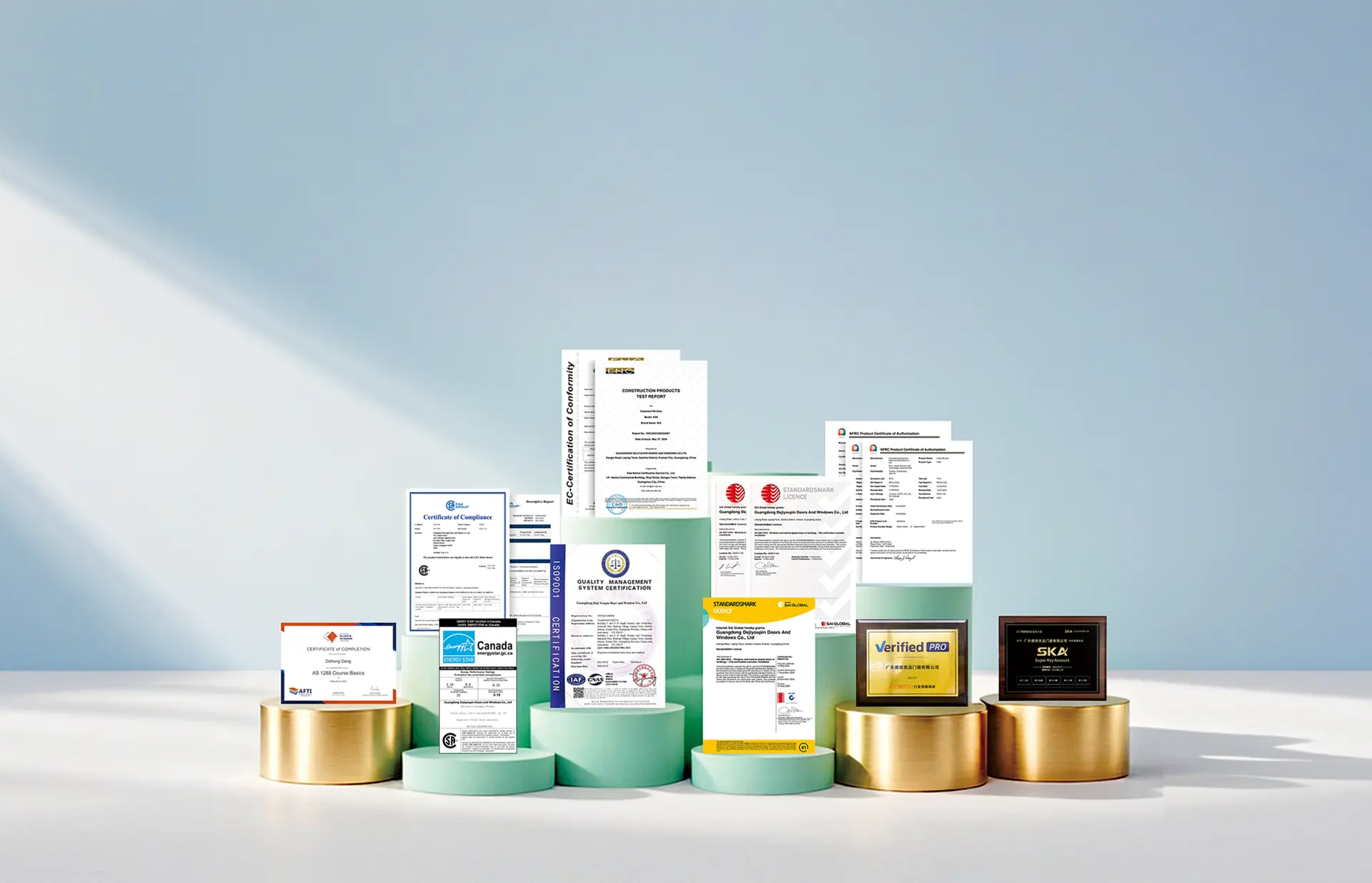
Factory tested and third-party certified to AS 2047 (Australia/NZ), CE (European Union), NFRC & CSA (North America), Energy Star, and ISO 9001 certified manufacturing quality systems.
Tailored Architectural Customization
Complete flexibility in structural profile thickness, custom RAL powder finishes, marine-grade anodizing (25µm), structural corner jointing, and acoustic-laminated glass configurations.
From high-profile international hospitality chains (Hilton, Atour) to luxury coastal estates in Australia, New Zealand, North America, and Europe.
Oceania
Australia & New Zealand Coastal Residences
AS 2047 cyclonic-rated casement systems and double-glazed curtain window walls
Commercial Hospitality
International Luxury Hotels
Engineered acoustic casement windows delivering STC 42dB urban quiet
Asia
Private Architectural Villas
Whole-house integrated casement, awning, and bi-fold systems
North America
Cold Climate Residential
NFRC & CSA certified high-performance thermal break casement windows
Europe
Ultra-Low Energy Modern Estates
CE certified tilt-and-turn and outward-opening multi-cavity casements
Middle East
Desert & High-Temperature Villas
Engineered solar-reflective Low-E coatings and hyper-durable finishes
South America
Urban Residential Towers
Multi-story wind-load tested aluminum casement and fixed combination units
Africa
Commercial & Mixed-Use Complexes
Heavy-duty hardware, anti-corrosive powder finishes, and seamless container dispatch
Every commercial or multi-unit residential order benefits from full architectural shop drawings, finite element wind load calculations, glass deflection analysis, and on-site technical installation blueprints.
What structural and air-tightness advantages do aluminum casement windows offer over sliding configurations?
Unlike sliding windows, which rely on brush seals that create friction and allow micro air infiltration along the track, aluminum casement windows operate on a dynamic compression mechanism. When closed, the multi-point locking gear pulls the sash directly into continuous, multi-chambered automotive-grade EPDM rubber gaskets around all four perimeter sides. This tight seal limits air infiltration to <0.1 L/s·m² and resists water penetration up to 450Pa–600Pa under AS 2047 / ASTM E331 test standards. Furthermore, casement windows leverage oncoming positive wind loads: as high exterior winds press against the sash, they compress it tighter into the weatherstripping.
How do polyamide thermal break systems prevent condensation and improve energy ratings in aluminum casement windows?
Solid aluminum possesses a high thermal conductivity (~205 W/m·K), which can cause interior heat loss during cold seasons and heat penetration during summers, leading to perimeter condensation and mold growth. Our thermally broken aluminum casement profiles isolate the external and internal profile chambers using mechanically rolled PA66 GF25 (polyamide with 25% glass fiber reinforcement) insulating bars. This structural barrier breaks the thermal path, lowering frame U-values (Uf) from ~6.0 W/m²K down to 1.6–2.1 W/m²K. Paired with argon-filled, warm-edge Low-E double or triple glazing, our casement systems help projects comply with strict energy benchmarks, such as Australia's NCC 2022 7-star NatHERS, New Zealand's NZBC H1 targets, and US Energy Star standards.
Can aluminum casement windows be engineered for cyclonic regions and high-velocity wind loads?
Yes. Guangdong Dejiyoupin Doors and Windows Co., Ltd. manufactures heavy-duty cyclonic-rated casement systems certified for wind-borne debris impact and structural pressures exceeding 4500Pa (Cyclonic ratings C3/C4 according to AS 4055 and ASTM E1886/E1996). Our cyclone-ready designs feature primary wall thicknesses up to 2.5mm, corner joints crimped with stainless steel corner keys and injected with two-part polyurethane structural adhesive, 316 marine-grade heavy-duty 4-bar friction stays, and impact laminated glass featuring SentryGlas (SGP) or high-tensile PVB interlayers that prevent missile penetration even when shattered.
How does Guangdong Dejiyoupin Doors and Windows Co., Ltd. ensure consistency across multi-container international deliveries?
To guarantee zero-defect production across large commercial volumes, Guangdong Dejiyoupin Doors and Windows Co., Ltd. manages the entire manufacturing workflow within a 180,000 m² smart fabrication base. Profile cutting, CNC drainage routing, and hardware preparations are executed via computer-controlled automated CNC machinery directly from synchronized CAD/CAM shop drawings. Every batch undergoes strict quality control protocols: 100% mechanical check of sash squareness and locking-point engagement, surface film protection, corner guards, water chamber air-pressure testing, and packing into fumigated, steel-strapped plywood crates engineered for intermodal container freight.
What surface finishes provide the highest durability for coastal saltwater installations?
For projects located within 1 kilometer of marine environments or exposed to coastal sea-spray, standard powder coatings are vulnerable to filiform corrosion and premature chalking. We specify either AkzoNobel Interpon D2525 / PPG certified architectural fluorocarbon (PVDF) three-coat liquid spray coatings or Qualicoat Class 2 hyper-durable thermosetting architectural powder coatings. These finishes undergo 3,000 to 5,000 hours of accelerated neutral salt spray testing (ASTM B117), providing superior UV resistance, gloss retention, and protection against salt-air oxidation.
How do AI and smart sensors integrate into modern architectural aluminum casement windows?
Our architectural casement window lines support concealed 24V DC electric chain actuators seamlessly embedded within the profile perimeter, hiding motors and wires from sight. These actuators interface directly with intelligent building management systems (BMS), KNX/Zigbee protocols, and AI micro-climate controllers. Operating via external weather stations (detecting rain drops, gust speeds, or excessive solar load) and indoor IAQ sensors (measuring indoor CO2 and PM2.5 levels), casement windows automatically open for night-time purge ventilation or instantly close tight during sudden storm events, significantly reducing mechanical HVAC loads.
Ready to Specify High-Performance Aluminum Casement Windows for Your Next Development?
Connect directly with senior façade engineers at Guangdong Dejiyoupin Doors and Windows Co., Ltd. Send your project elevations, structural schedules, or custom profile requirements to [email protected].