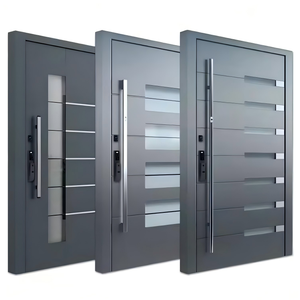
Heavy Pivot System
Engineered to satisfy stringent NZBC Clause E2 & H1 standards, our factory-direct aluminum entry systems deliver structural rigidity, enhanced acoustic damping, and modern design elegance for Manukau properties.
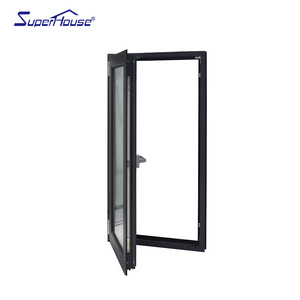
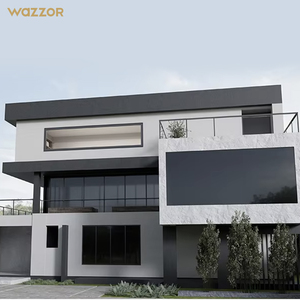

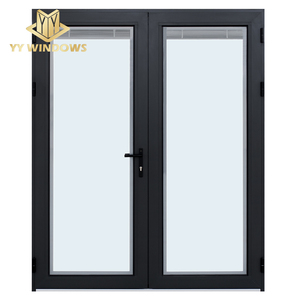
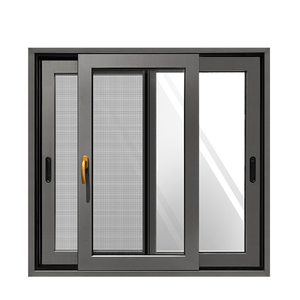
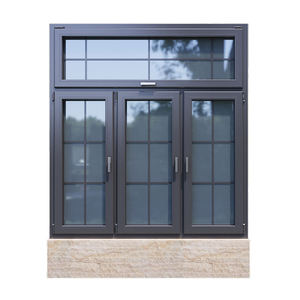
Manukau presents distinct environmental profiles ranging from the maritime wind channels of the Manukau Harbour to intense mixed-density suburban master developments in Ormiston and Flat Bush.
Properties in coastal zones like Weymouth, Clendon Park, and Mangere Bridge experience relentless sea spray and atmospheric chlorides. Our doors utilize Qualicoat Class 2 Architectural Powder Coating and 25-micron marine anodizing paired with 316 stainless-steel multi-point locking pins to permanently mitigate pitting corrosion and hinge failure.
South Auckland regularly clocks high seasonal westerly wind fronts. Engineered according to NZS 4211 specification metrics, our extruded profile systems accommodate Ultimate Limit State (ULS) and Serviceability Limit State (SLS) wind loads reaching Very High (VH) and Extra High (EH) classifications, stopping frame deflection and perimeter water ingress.
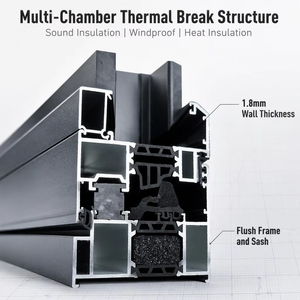
Accelerated housing density across Manukau Central and Papatoetoe necessitates superior acoustic abatement and fire resistance. Our heavy-duty aluminum entry systems offer acoustic dampening up to Rw 42 dB through multi-chamber thermal breaks and laminated acoustic glass, buffering ambient arterial road noise.
The construction sector across Greater Auckland is undergoing transformative regulatory updates, driving demand away from generic aluminum joinery toward certified, high-performance systems.
Recent changes to the New Zealand Building Code (Clause H1) have dramatically lowered allowable U-values for vertical fenestration. Uninsulated aluminum joinery is obsolete for new builds. Our advanced polyamide thermal break profiles integrate warm-edge spacers and argon-infilled Low-E IGU setups, easily achieving whole-door U-values ≤ 1.4 W/m²K.
Architects in luxury suburban developments in Totara Heights and Karaka are specifying grand architectural statements. Pivot doors measuring up to 3000mm in height and 1800mm in width require aerospace-grade 6063-T6 aluminum alloys and concealed floor-spring hydraulic mechanics to prevent panel sagging while maintaining finger-light operability.
Glazing units must fully observe NZS 4223.3:2016 human impact regulations. Every batch from our intelligent plant features grade-A toughened or laminated security safety glass, complete with visible permanent compliance etching recognized by Auckland Council building consent authorities during site sign-offs.
| Performance Criterion | NZ Standards (NZS 4211 / NZBC H1) | DERCHI Factory Specifications | Audit Compliance Level |
|---|---|---|---|
| Thermal Transmittance (Uw) | Target: Uw ≤ 1.5 - 1.7 W/m²K | Tested Uw down to 1.28 W/m²K (Polyamide PA66 Break) | Fully exceeds NZBC H1 5th Edition |
| Air Infiltration & Drafts | Level: Air Leakage < 1.6 L/s·m² | Compression EPDM Gasketing: < 0.4 L/s·m² | Airconditioned Energy Star Rating |
| Water Penetration Resistance | Test Limit: 450 Pa (High/Very High) | Hydrostatic Tested to 700 Pa (Self-Draining Sills) | Cyclonic & Severe Storm Qualified |
| Security & Intrusion Defense | Multi-Point Latching Standard | Patented Four-Side Six-Point Anti-Theft Lock | High-Tensile Anti-Crowbar Certified |
Operating as a globally verified Top-10 door and window enterprise, our massive industrial footprint minimizes supply risk, stabilizes procurement prices, and guarantees schedule accuracy for Auckland developers.
Every shipment is packaged in multi-layer protective film, custom corner dampeners, and ISPM-15 certified fumigated marine plywood crates. Fast sea transit from South China to Ports of Auckland operates on a direct 16 to 22-day shipping rotation.
Addressing compliance certification, documentation, and installation requirements for the New Zealand building environment.