High-Performance Window & Door Solutions for Ballarat Projects
Direct factory procurement for Victorian residential builders, commercial developers, and regional importers. Complete compliance with Australian Standards, thermal break technology, and specialized regional freight delivery across Greater Ballarat.
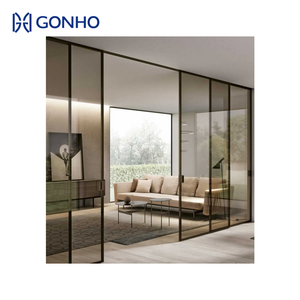
GONHO Glass Sliding Door Interior Partition Doors Aluminum Alloy Profile Glass Sliding Door Slim Trackless
- Flush trackless threshold system
- 6063-T5 architectural aluminium profile
- Acoustic interior zonal dividing
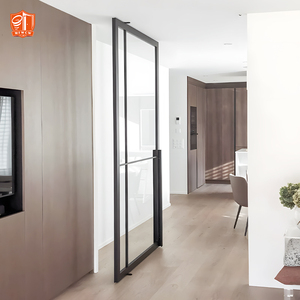
Foshan Factory Slimline Series Pivot Doors Steel Looked Frame Glass Pivot Door
- Industrial heritage slimline aesthetic
- Heavy-duty commercial concealed pivot
- Double glazed safety tempered glazing
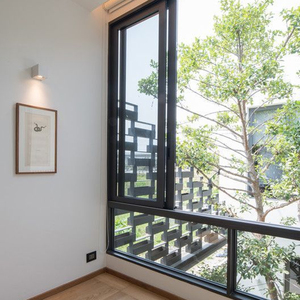
DEEZON Wholesale High Quality Aluminum Sliding Window with Stainless Steel Screen and Louver Design for Villa
- High-tensile 304 SS security mesh screen
- Integrated weather-resistant louver vents
- Wind pressure rated for exposed terrain
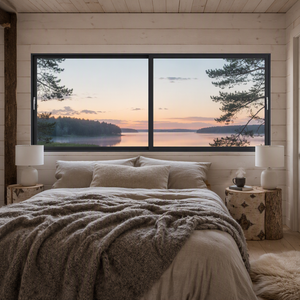
Aluminum Sliding Window CE NFRC AS2047 UL Certified 6063-T5 PA66 Thermal Break OEM ODM Cabin Villa Residential Room
- PA66 GF25 thermal break bar insulation
- AS 2047 & NFRC independently certified
- Uw ≤ 1.6 W/m²K thermal efficiency
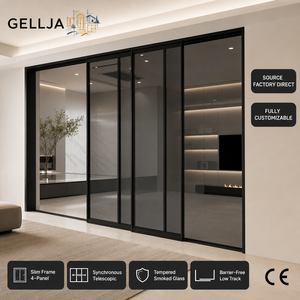
Modern Design Sliding Patio Door System Exterior Flush Aluminum Alloy Double Glazing Tempered Glass Waterproof Kitchen Door
- Multi-track exterior flush threshold
- Severe storm continuous water baffles
- Argon gas double glazing low-E build
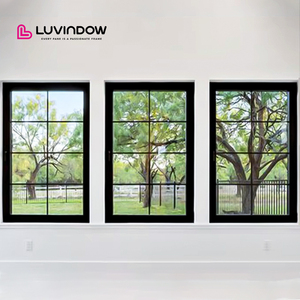
Hurricane Proof High Impact Black Aluminum Alloy Thin Profile Aluminium Windows and Doors Casement Window S for USA
- High-wind multi-point perimeter locks
- Laminated impact structural glass unit
- Thin sightline architectural profiles
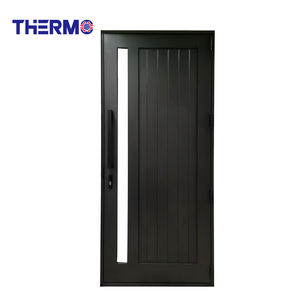
Therm Modern Exterior Vertical Glass Insert and Wood Grain Finish Aluminum Entrance Door
- Patented 4-side 6-point anti-burglary lock
- UV-stable fluorocarbon timber sublimation
- Heavy thermal insulation core core-layer
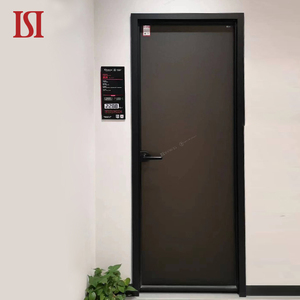
Top Brand Modern Simple Aluminum Swing Door with Black Frame High-Quality Alloy Material for Bathroom Custom Minimalist
- Matte black anodized & powder finish
- Obscure tempered acoustic glass pane
- Dual continuous synthetic weather-seals
Engineering Aluminium Tilt & Turn Fenestration for Ballarat's Climate Zone 6
A rigorous examination of thermal bridging, psychrometric dew point mitigation, air-permeability testing, and mechanical hardware kinematics under Central Victorian conditions.
Thermal Bridging & PA66 Separation
Ballarat rests at an elevation of 441 metres on the Great Dividing Range, enduring severe winter temperatures down to -4°C and substantial Heating Degree Days (HDD ~2,250). Standard uninsulated aluminium profiles act as direct conductors of thermal energy, causing interior frame chilling, indoor heat loss, and perimeter condensation.
DERCHI tilt-turn profiles utilize high-grade Technoform PA66 GF25 (polyamide reinforced with 25% structural fiberglass) extruded isolators. By separating the interior and exterior 6063-T5 aluminium alloy segments by a minimum barrier of 24mm to 34mm, conductive thermal transmittance (Uf) is curtailed to under 1.8 W/m²K, preventing interior condensation blight common during frosty Ballarat mornings.
Hermetic Compression Sealing
Unlike conventional sliding or double-hung windows popular in speculative Australian homebuilding that rely on brush seals (felt mohair), European tilt-turn windows leverage continuous, high-elasticity EPDM vulcanized rubber gaskets operating in a three-stage compression barrier (outer weather barrier, central acoustic cavity, and inner air seal).
When the heavy-duty drive gear handle is rotated 90 degrees downward to the closed position, hardened perimeter cam-head mushrooms engage with high-tensile steel keepers around the full perimeter. This delivers uniform pressure along all four jambs, yielding an air infiltration rate of < 0.15 L/s·m² at 75 Pa—virtually sealing the house against blustery cold westerlies blowing across the volcanic plains.
Dual-Axis Operability & Ergonomics
Tilt-turn windows incorporate specialized multi-point mechanical gearing from premium manufacturers (such as Siegenia or Roto-grade hardware). A single die-cast handle controls two functional operating axes:
1. Tilt Mode (Upper Venting): Handle positioned 180° upward releases the top scissor stays, allowing the sash to tilt inward from the top by 100mm to 150mm. This permits natural chimney-effect displacement ventilation without draft at occupant height, maintaining high home security and weather-tightness during rain.
2. Turn Mode (Side Casement Open): Handle rotated 90° horizontally disengages perimeter keepers while locking the bottom pivot, allowing the sash to swing fully inward for maximum emergency egress, whole-home rapid air purging, and effortless glass cleaning from inside the room.
| Fenestration Mechanism | Air Permeability (AS 2047) | Water Penetration Rating | Whole Window Uw Range | Acoustic Index (Rw + Ctr) | Ballarat Winter Viability |
|---|---|---|---|---|---|
| DERCHI Thermally Broken Tilt Turn | < 0.15 L/s·m² (Airtight) | 600 Pa - 900 Pa | 1.3 - 1.7 W/m²K | 38 - 44 dB | Optimal (NCC 7-8 Star Fit) |
| Standard Aluminium Awning Window | 0.8 - 1.5 L/s·m² | 300 Pa - 450 Pa | 3.2 - 4.5 W/m²K | 28 - 32 dB | Moderate Heat Loss & Drafts |
| Standard Domestic Sliding Window | 2.0 - 5.0 L/s·m² (High Leaks) | 150 Pa - 250 Pa | 4.2 - 5.8 W/m²K | 25 - 28 dB | Severe Condensation & Draft Risk |
| Traditional Timber Double-Hung | > 5.0 L/s·m² (Poor Seal) | 150 Pa - 200 Pa | 3.0 - 3.8 W/m²K | 26 - 30 dB | High Maintenance / Swelling Issues |
Ballarat Architectural Scenarios: Tailored System Application
From the gold-rush Victorian streetscapes of Soldiers Hill to the exposed lakefronts of Wendouree and master-planned growth corridors in Lucas, our systems match specific microclimates and heritage guidelines.
Heritage Cottage & Edwardian Retrofits
Preserving the architectural rhythm of historical double-hung facades while drastically upgrading building thermal performance. DERCHI provides custom colonial bar layouts, heritage powder coat palettes (Monument, Classic Cream, Deep Ocean), and slim sightline profiles that meet local Ballarat Council heritage overlays while completely resolving the notorious draughtiness of Victorian-era weatherboard homes.
High-End Lakefront Rebuilds & Extensions
Direct exposure to relentless westerly wind gusts across Lake Wendouree requires exceptional structural deflection resistance and water-tightness. Tilt-turn frames engineered with up to 900 Pa water resistance and triple-glazed Low-E packages allow massive floor-to-ceiling panoramic spans, maximizing lake vistas while ensuring zero draft infiltration during freezing winter mornings.
7-Star NatHERS Master-Planned Estates
Under the updated Victorian Building Regulations following NCC 2022, modern residences must achieve a mandatory 7-star NatHERS rating. Specifiers in Western Ballarat growth estates rely on our factory-direct thermally broken tilt-turn windows to cost-effectively hit whole-of-home heating load caps without resorting to prohibitively expensive supplementary mechanical systems.
Bushfire Fringes (BAL-29 & BAL-40 Zones)
Properties set amongst the eucalyptus canopies of Mount Helen, Canadian, and Buninyong require stringent compliance with AS 3959. DERCHI supplies non-combustible extruded aluminium frames coupled with 6mm+ toughened Grade A safety glass and integrated 304/316 grade stainless steel ember guards (aperture ≤ 1.8mm) to stop ember intrusion in tilt-ventilation mode.
Glazing Spectrophotometrics: Winter Solar Gain (SHGC) vs. Heat Retention
In Climate Zone 6, cooling loads during summer are relatively small compared to substantial winter space-heating expenses. Therefore, fenestration strategy in Ballarat differs fundamentally from Brisbane or Sydney.
To optimize energy modeling in FirstRate5 or HERO software for Ballarat projects, DERCHI recommends our High-Solar-Gain Low-E Insulated Glazing Units (IGUs). By depositing a specialized microscopically thin silver oxide coating on surface #3 of a double glazed unit (facing the cavity from the inside glass pane), the glass permits shortwave solar infrared radiation from the low winter sun to penetrate the room, while reflecting longwave indoor furnace radiant heat back inside. Pairing this with a 12mm-16mm 90% Argon gas fill and warm-edge composite spacers (swisspacer) reduces edge-seal thermal conductance by up to 60%, raising perimeter glass temperature above the dew point and permanently preventing mold formation on window sills.
Emerging Procurement & Specification Trends Across Greater Ballarat
Strategic insights into the shifts governing the Victorian building sector, fenestration engineering, and regional supply chain economics.
NCC 2022 Energy Code Trajectory
The phase-in of the National Construction Code 2022 across Victoria has made older standard aluminium window sections obsolete for new homes. Builders can no longer reach the required 7-Star building energy envelope without treating windows as an active thermal insulator.
Architects in Ballarat are rapidly adopting the European tilt-turn standard, which has for decades delivered Passivhaus and Minergie compliance across Northern and Central Europe. Thermally broken aluminium tilt-turn models offer the structural longevity and slim framing of metal, coupled with thermal performance comparable to timber or uPVC, without the warping or UV-yellowing risks.
Acoustic Attenuation Near Rail & Highway Corridors
Ballarat's role as a commuter and logistics hub means urban developments near the Western Highway, Midland Highway, and the V/Line passenger/freight rail line encounter serious acoustic noise pollution.
DERCHI tilt-turn windows utilizing asymmetric laminated acoustic glazing (e.g., 6.38mm SoundStop outer + 12mm Argon + 5mm toughened inner) coupled with triple continuous EPDM compression gaskets achieve weighted sound reduction indices of Rw 38 dB to 42 dB, substantially subduing low-frequency diesel locomotive rumble and road tire roar for peaceful indoor comfort.
Direct-from-Manufacturer Value Engineering
Escalating domestic labor and raw material costs have seen retail window quotes in regional Victoria surge by 40% to 70% over the last four years. Tier-1 commercial builders and owner-builders in Ballarat are actively bypassing middleman distributors.
By engaging DERCHI factory-direct, Australian projects access high-end, AS 2047-certified architectural fenestration with precision shop drawings, containerized moisture-proof crating, and direct dispatch through the Port of Melbourne to site gates in Ballarat at substantial capital savings.
Why Major Australian & International Projects Partner With DERCHI
Backed by Guangdong Dejiyoupin Doors and Windows Co., Ltd. Over 25 years of engineering mastery, 180,000 m² automated production base, and 18,000+ completed landmark installations worldwide.
180,000 m² Foshan Production Base
Our intelligent zero-error manufacturing campus in Foshan, China houses automated CNC 5-axis profile machining centres, robotic corner-crimping cells, and temperature-controlled insulated glass assembly lines capable of outputting over 1,000,000 m² of certified architectural joinery annually.
International Certification Grand Slam
DERCHI systems are tested to the world's most exacting standards: Australian Standards AS 2047 & AS 1288, American NFRC, European CE, Canadian CSA, and ISO 9001 quality management systems. Full NATA-accredited test reports are provided directly to your local building surveyor.
100+ Patents & Hardware Innovation
Recognised as a "China Famous Brand" by Xinhua News Agency, DERCHI holds over 100 independently patented technologies, including our proprietary Four-Side Six-Point Perimeter Security Lock, ultra-narrow trackless thresholds, and concealed heavy-duty structural corner brackets.
Containerized Oceania Logistics
Every window is wrapped in protective scratch-resistant film, capped with corner armor, packed into fumigated ISPM-15 compliant timber stillages, and loaded into sealed shipping containers. Fast transit to the Port of Melbourne takes only 14-18 days, followed by straightforward direct trucking to Ballarat job sites.
Rigorous 8-Step Engineering Protocol
From architectural CAD plan review and structural wind calculations to detailed shop drawing sign-offs, live production tracking, pre-shipment dry runs, and comprehensive installation manuals, our 30+ in-house facade engineers support your installation team step-by-step.
18,000+ Completed Global References
DERCHI systems are installed worldwide across luxury hospitality chains including Hilton and Atour, prestige residences in Beverly Hills, landmark high-rise developments, and bespoke architectural homes spanning Melbourne, Geelong, Ballarat, and the Pacific Islands.
Ready to Value-Engineer Your Ballarat Project?
Submit your window schedules, architectural elevations, and site wind/energy requirements. Our engineering team prepares a compliant, itemized specification within 24 hours.
Frequently Asked Questions: Ballarat Windows Procurement
Authoritative technical answers to common queries raised by Victorian builders, building surveyors, and architects.
Will our Ballarat private building surveyor accept DERCHI AS 2047 test certificates?
Yes. DERCHI window and door suites are rigorously tested in certified laboratories in accordance with Australian Standard AS 2047 (Windows in buildings - Selection and installation) and AS 1288 (Glass in buildings - Selection and installation). For every order, we supply full NATA-accredited test reports, engineering computation letters, and system rating labels (deflection, air infiltration, water penetration, and ultimate structural capacity) ready for submission to your Victorian Registered Building Surveyor (RBS).
How do inward-opening tilt turn windows integrate with flyscreens in regional Victoria?
Because tilt-turn windows open inwardly into the room, standard exterior-fixed flyscreens can present challenges if not engineered correctly. DERCHI offers three custom screen configurations for the Australian market: 1) Exterior-mounted fixed aluminum frame screens with heavy-duty fiberglass or stainless steel mesh that remain permanently in place outside; 2) Integrated exterior roll-down retractable screens; and 3) High-tensile 304 stainless steel security screens that satisfy both insect protection and Australian security door/window standards (AS 5039/5041).
What is the typical lead time and freight route from Foshan to a job site in Ballarat?
Standard fabrication time for customized, thermally broken architectural orders ranges between 25 to 35 business days from final CAD shop drawing sign-off. Ocean freight transit from South China to the Port of Melbourne takes approximately 14 to 18 days. After customs clearance, containers or crated consignments are dispatched directly along the Western Freeway (M8) to Ballarat, with total door-to-job-site delivery averaging 6 to 8 weeks.
Can your systems meet Bushfire Attack Level (BAL) requirements up to BAL-40 in Buninyong?
Yes. Extruded architectural aluminium naturally possesses a melting point of approximately 660°C and is deemed non-combustible under the National Construction Code. When specified for bushfire prone zones such as Buninyong, Mount Helen, or Canadian, DERCHI equips the tilt-turn frames with 6mm or 8mm toughened Grade A safety glass, flame-retardant silicone glazing seals, and 304/316 stainless steel wire mesh screens with aperture dimensions under 1.8mm, fulfilling the strict demands of AS 3959 up to BAL-40.
How do tilt-turn windows help eliminate winter internal window condensation in Ballarat?
Interior glass condensation occurs when warm, moist indoor air comes into contact with glass or aluminium frames whose surface temperature has fallen below the dew point (frequently occurring in Ballarat during sub-zero overnight conditions). DERCHI prevents this phenomenon via two mechanisms: 1) Multi-chambered PA66 polyamide thermal breaks that decouple the cold external aluminium from the interior frame; and 2) Argon-filled double/triple glazing with warm-edge composite spacers that keep the interior glass surface warm, suppressing moisture condensation and mitigating health risks from mould.
Are restriction devices available to satisfy NCC child fall-prevention regulations?
Yes. Under National Construction Code (NCC) provisions D2D22 / Vol 2 H1D6, openable windows in bedrooms where the floor level is 2 metres or more above the external surface must incorporate restrictors preventing a 125mm sphere from passing through. DERCHI integrates lockable child-safety limiters and dual-key tilt-before-turn handles that allow full tilt-ventilation while restricting the swing-turn mode without a key, ensuring full legal compliance while preserving clean ventilation.
Require technical CAD sections, thermal calculation reports, or an itemized tender quote?
Send an Inquiry