Precision-Crafted Internal & Architectural Door Systems
Explore our export-grade aluminium glazed door and window systems engineered to combine acoustic isolation, ultra-narrow sightlines, and uncompromising structural durability.
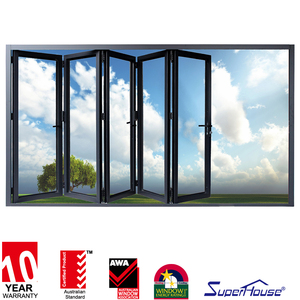
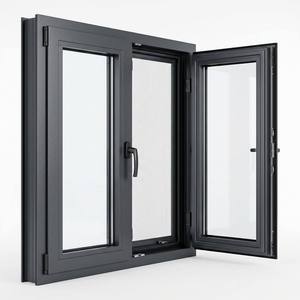
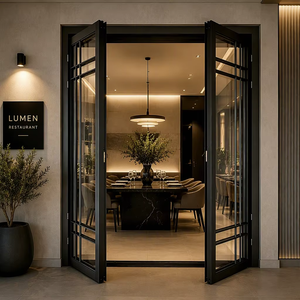
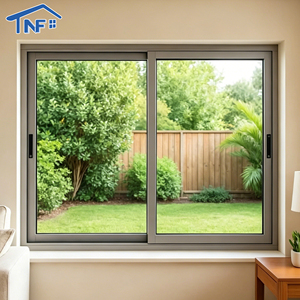
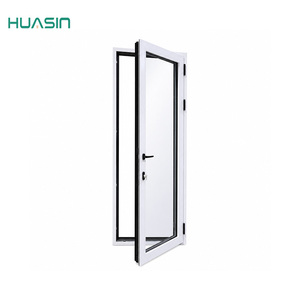
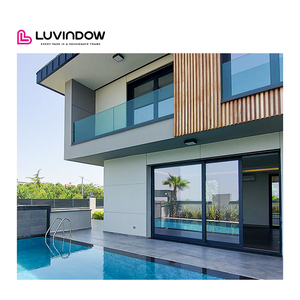
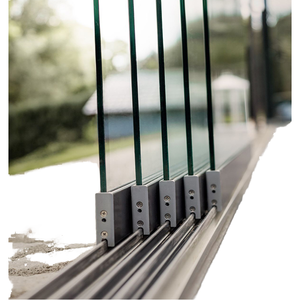
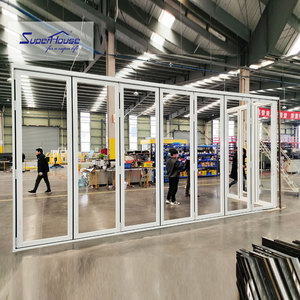
Engineering Excellence in Chinese Internal Door Manufacturing
A comprehensive analysis of metallurgy, structural stability, acoustic dampening, and international certification compliance for commercial developers and distributors.
In contemporary high-density urban living, luxury hospitality, and premium commercial construction, internal doors have transformed from basic physical partitions into critical architectural assets. Modern internal fenestration and door assemblies must resolve complex engineering challenges simultaneously: establishing acoustic privacy, optimizing natural luminous flux, preventing structural torsion over extensive cycles, and complying with stringent fire, moisture, and VOC emission criteria. As international developers and builders increasingly turn to China for scalable custom fabrication, understanding the manufacturing competencies of high-tier Chinese producers is essential for de-risking overseas procurement.
Metallurgical Precision and Structural Integrity (6063-T5 vs. 6063-T6)
The foundation of long-term dimensional stability in large-format aluminium internal doors lies in primary billet metallurgy. Guangdong Dejiyoupin Doors and Windows Co., Ltd. (DERCHI) exclusively utilizes high-purity, primary 6063 aluminium alloy, refined and thermally treated to T5 or T6 hardness specifications depending on span requirements. Unlike lower-tier manufacturers that blend scrap-grade secondary aluminium—introducing micro-porosity and uneven internal stresses—virgin 6063 billet extrusion delivers a uniform wall thickness of 1.4mm to 2.2mm. This ensures our interior glazed swing doors, slim-frame pocket sliding doors, and space-saving PT/PD (Pivot-Slide) systems resist lateral deflection, hinge pull-out, and seasonal warping even when fabricated at heights surpassing 3,000mm.
Acoustic Engineering: Sound Transmission Class (STC) & Rw Ratings
In luxury multi-residential developments and boutique hospitality suites, acoustic isolation between internal living zones, bedrooms, and ensuite wet areas is non-negotiable. Standard interior hollow-core timber doors often achieve less than STC 25 (Sound Transmission Class), allowing conversational frequencies and plumbing noise to permeate adjacent rooms. DERCHI’s acoustic aluminium doors integrate engineered multi-chamber polyamide thermal barriers paired with co-extruded EPDM continuous perimeter gasketing. When configured with laminated acoustic glass (such as 5mm+0.76PVB+5mm or acoustic interlayers like Saflex Sound-Glass), our interior swing and sliding doors achieve laboratory-tested Sound Reduction Indices (Rw) between 34 dB and 42 dB, effectively attenuating mid-to-high frequency mechanical and airborne noise.
| Engineering Dimension | Conventional Commercial Doors | DERCHI Industrial Export Standard | Architectural Benefit |
|---|---|---|---|
| Aluminium Profile Grade | Recycled 6063 / Uncertified Secondary Billet | Primary 6063-T5 / T6 Architectural Ingot | Zero surface blistering, maximum torsional rigidity up to 3.2m |
| Profile Sightline (Stiles) | 65mm – 85mm Standard Width | 16mm – 28mm Ultra-Slim Ghost Aesthetic | Maximizes light ingress, provides clean minimalist lines |
| Acoustic Isolation (Rw) | Rw 20 – 24 dB (Single Pane / Timber Core) | Rw 35 – 42 dB (Double Glazed / EPDM Sealed) | High privacy for bedrooms, executive suites, and study pods |
| Hardware & Cycle Testing | Standard Friction Hinges (<50,000 Cycles) | Heavy-Duty Concealed Bearings (200,000+ Cycles) | Smooth glide, zero hinge sag, 10-year mechanical lifecycle |
| Surface Coating | Basic Wet Spray (<40µm thickness) | AkzoNobel / PPG Fluorocarbon / 25µm Anodizing | Superior salt-fog and humidity resistance for luxury bathrooms |
Surface Passivation and Corrosion Mitigation in Humid Environments
Internal doors specified for master en-suite bathrooms, indoor wellness facilities, and coastal architectural estates face relentless exposure to steam, volatile household cleaning agents, and airborne saline particulate. Standard commercial finishes rapidly suffer from filiform corrosion and sub-surface oxidation near bottom miter joints. Our manufacturing workflow applies state-of-the-art multi-stage pre-treatment, featuring chemical immersion de-greasing, acid pickling, and chromium-free zirconium passivation before automated vertical electrostatic powder deposition. Utilizing architectural-grade resins from global leaders AkzoNobel and PPG, or certified chemical anodizing exceeding 20 microns, DERCHI internal aluminium systems withstand over 1,500 hours of continuous ASTM B117 salt-spray testing without blistering, color shift, or adhesion failure.
Future Sourcing & Procurement Trends (2025–2030)
How progressive commercial developers, architects, and importers are recalibrating their fenestration supply chains to achieve ESG targets and aesthetic refinement.
1. Ultra-Narrow "Ghost Frame" Minimalism
Architectural demand is moving toward sub-18mm visible stiles. By concealing head tracks within ceiling plenums and employing sub-floor recessed pivot hinges, internal doors dissolve visual boundaries, integrating seamlessly into open-concept floorplans while supporting hefty 120kg glass leaves.
2. PD/PT Dual-Action Transformative Systems
Urban real estate footprint optimization has driven massive adoption of combined Slide & Swing (PT/PD) systems. These modular panels glide parallel along a concealed guide track before pivoting 90 degrees flat against the wall, unlocking 100% clear opening widths impossible with conventional bifolds.
3. Embedded Smart Home & Maglev Automation
Next-generation internal sliding systems increasingly integrate brushless linear magnetic levitation (maglev) operators. These deliver near-silent motorized traversal (<30 dB operating noise), automated hands-free proximity opening, and seamless integration with building automation protocols (KNX, BACnet, Zigbee).
4. Switchable Smart Glass (PDLC) Integration
Instant privacy on demand is replacing traditional fabric blinds and louvers. Specifiers are sourcing factory-glazed internal doors pre-wired with Polymer Dispersed Liquid Crystal (PDLC) interlayers, transitioning from optical clarity to complete frost in under 20 milliseconds at low operating voltages.
5. Decarbonization & Circular EPD Documentation
Global developers working under LEED v4.1, BREEAM, and Green Star accreditation are making verifiable Environmental Product Declarations (EPDs) a mandatory bidding criterion. Chinese fabricators investing in closed-loop recycled billet and green hydropower smelting are securing preferred tier-1 vendor status.
6. Fluted, Reeded, and Textured Acoustic Lamination
Aesthetic trends have shifted heavily toward tactile architectural glass. Manufacturers that can laminate decorative Moru (fluted/reeded) glass to internal float glass using sound-dampening acoustic PVB resins provide architects with bespoke lighting refraction while preserving critical STC performance.
Why Tier-1 Builders Partner with DERCHI
From architectural CAD shop drawings to automated CNC production, our 180,000 m² smart facility eliminates manufacturing tolerances and de-risks transoceanic logistics.
Smart CNC Machinery
Equipped with Italian 5-axis dual-head profile machining centers, guaranteeing miter cutting and lock mortise tolerances within ±0.2mm for flush corner joins.
Patented Anti-Theft Security
Holds the proprietary Four-Side Six-Point Lock invention patent alongside 100+ national patents, ensuring superior hardware longevity and tamper-proof security.
AS 2047 & Global Compliance
Fully certified across international building codes: Australian AS 2047 / AS 1288, North American NFRC / CSA, European CE EN 14351, and ISO 9001 certified QA workflows.
Export Crate Packaging
Every sash receives protective PE film, impact-resistant vulcanized corner guards, desiccants, and is strapped into steel-reinforced, IPPC-certified fumigated plywood crates.
Commercial Buyer FAQs: Sourcing Internal Doors from China
In-depth technical answers addressing dimensional verification, testing certificates, sea container optimization, and lead times for high-volume purchasing.
What are the standard tolerances and minimum profile thicknesses for export-grade doors?
Can internal doors be customized to match exact architectural opening schedules?
How does DERCHI prevent glass breakage and frame scratching during ocean transit?
What acoustic performance benchmarks (Rw/STC) can be guaranteed for hotel and bedroom suites?
What is the standard production lead time and minimum order quantity (MOQ)?
Accelerate Your Project with Direct Factory Engineering Support
Send your architectural door schedule and floor plans directly to our technical estimating department for a comprehensive take-off, hardware configuration, and containerized pricing within 24 hours.
Get a Quote