The Definitive Engineering Standard for Architectural Aluminium Doors
As modern architecture leans towards expansive daylighting, uncompromising structural load limits, and rigorous thermal efficiency standards such as AS 2047, NZBC H1, and NFRC ratings, the choice of a Chinese Tier-1 fenestration exporter is no longer a matter of unit price—it is an exercise in de-risking high-value structural supply chains. DERCHI (Guangdong Dejiyoupin Doors and Windows Co., Ltd.) pioneers high-performance aluminium framed door fabrication across global commercial, high-end residential, and hospitality developments.
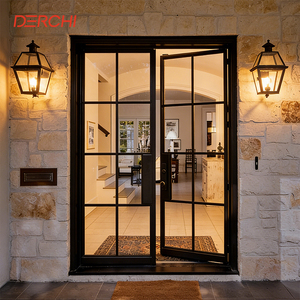
DERCHI Light Single Door Wrought Iron Modern Luxury French Door Simple Elegant Design Glass Steel Swing Enter Aluminium Doors
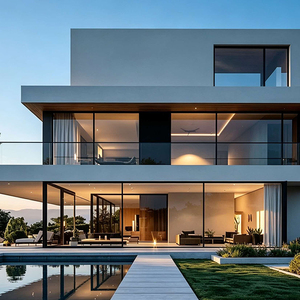
NFRC Customized Hurricane Resistant Exterior Aluminum Alloy Casement Windows Burglar Proof Windows With Tempered Glass
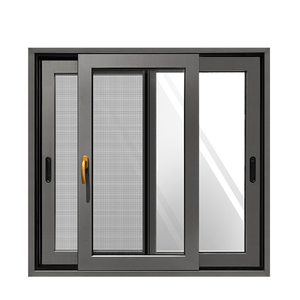
China Manufacturer Thermal Break Waterproof Aluminum Sliding Glass Windows with Mosquito Net for Home
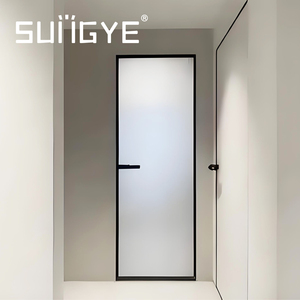
SUNGYE Minimalist Narrow Frame Swing Door Frosted Glass Waterproof Interior Bathroom Door Room Divider for Home Apartment Villa
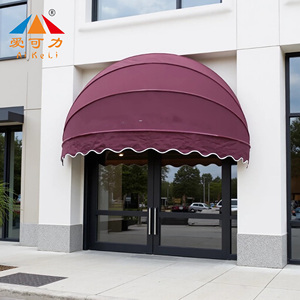
French Modern Dome Awning Aluminum Alloy Frame PU Coated Manual Retractable Window Canopy Multi Color Custom Bubble Awning
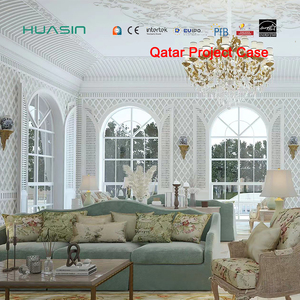
Huasin Wholesale USA Qatar Standard 2025 Customized Inward Opening Aluminum Clad Wood windows Doors Manufacturer
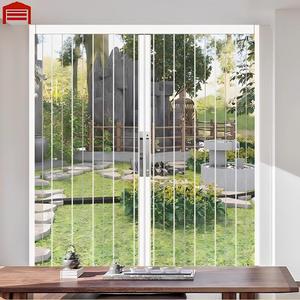
Acrylic Crystal Folding Door Custom Aluminum Sliding Partition Door for Kitchen Bathroom Car Wash Commercial Residential
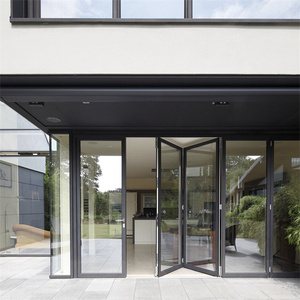
TOMA-as2047 Aluminium Door Fold Glass Door Bifold Sliding Door Darkly Glass Thermal Break High Performance
Future Procurement Trends in Architectural Aluminium Doors (2025–2030)
International project managers, real estate developers, and commercial contractors are facing stringent environmental regulations and changing climatic factors. Procuring from leading Chinese manufacturers now requires an understanding of three transformative procurement imperatives.
Polyamide PA66 GF25 Decoupling & Ultra-Low U-Values
With energy codes like NCC 2022 Section J in Australia and the European EPBD mandating total window/door U-factors below Uw ≤ 1.4 W/m²K, conventional non-broken aluminium profiles are obsolete. Modern specification requires multi-cavity continuous thermal break extrusions reinforced with 25% glass fiber (PA66 GF25). These barriers neutralize thermal bridging, preventing condensation and lowering HVAC carbon footprints across tropical and sub-zero climates alike.
Parametric Slim Sightlines & Concealed Hardware
Architectural minimalism dictates invisible frames with maximum visible glass surface ratios. Global developers demand interlock profiles down to 18mm–26mm that still withstand positive/negative wind pressures up to 4500 Pa. To ensure seamless integration, high-capacity stainless-steel concealed rollers and bottom-running track guides are engineered directly into the structural floor finishes.
Extreme Weather Resilience & Multi-Point Latching
From Cyclone Region D in Northern Australia to Florida's High Velocity Hurricane Zone (HVHZ), severe weather events require advanced engineering. Leading suppliers now incorporate SentryGlas (SGP) laminated impact glass assemblies and patented perimeter locking systems—such as DERCHI's proprietary Four-Side Six-Point locking mechanism—to resist forced entry, impact, and high-pressure water infiltration.
Engineering Architecture & International Compliance
Evaluating Chinese aluminium door exporters requires assessing their alloy metallurgy, surface treatment tolerances, and international laboratory certifications.
| Engineering Vector | DERCHI / Tier 1 China Standard | Generic Export Benchmark | International Compliance Alignment |
|---|---|---|---|
| Alloy Metallurgy & Purity | Primary 6063-T5 / 6063-T6 virgin billet; wall thickness 2.0mm–3.5mm | Recycled secondary aluminium; scrap blends; uneven 1.2mm–1.4mm walls | ASTM B221, EN 755, AS/NZS 1866 |
| Thermal Barrier Composite | Polyamide Technoform PA66 GF25 crimped strip; multi-cavity structure | Direct PVC extrusion or low-grade poured polyurethane resin | AAMA 505, DIN EN 14024 |
| Glass Configuration | Double/Triple IGUs; warm-edge spacers; Low-E (Solarban/CSG); Argon gas | Single float or non-tempered generic double glazed units | AS 1288, ASTM C1036, EN 12150 |
| Surface Protective Finish | Fluorocarbon PVDF (AkzoNobel/PPG 3-coat) ≥40μm; Seaside Qualicoat Class 2 | Standard architectural powder coating (poor salt-spray resistance) | AAMA 2605, Qualicoat Seaside, ISO 2810 |
| System Certification | AS 2047, NFRC, CE, Hurricane Impact, CSA, ISO 9001 certified | Self-declared factory test reports without accredited lab verification | AS/NZS 4420, ASTM E330, TAS 201/202/203 |
Why Global Tier-1 Contractors Source from DERCHI
Guangdong Dejiyoupin Doors and Windows Co., Ltd. (DERCHI) combines high-precision German CNC machinery with in-house structural engineering to supply major developments worldwide.
180,000 m² Mega Base
Our Foshan smart manufacturing park operates automated, zero-error production lines with a total annual capacity exceeding 1,000,000 m² of architectural fenestration.
100+ Patented Solutions
From the patented Four-Side Six-Point anti-theft deadbolt to heavy-duty hidden corner connectors, our R&D team holds over 100 registered intellectual properties.
Xinhua Brand Acclaim
Officially honored as a "China Famous Brand" by Xinhua News Agency, DERCHI maintains a spotless delivery record across more than 300 international franchise locations.
International Grand Slam
Complete compliance coverage including Australian AS 2047, North American NFRC/CSA, European CE, and US Florida Hurricane Product Approvals.
Frequently Asked Questions for Commercial Importers
Practical technical and logistical considerations when importing custom aluminium framed door systems from China.
1How do you ensure structural compliance with regional building codes (e.g., AS 2047, NZBC H1)?
We do not supply standard profiles for non-standard requirements. For Australia, our systems undergo mechanical deflection testing under AS 4055 wind ratings (N1 through N6; C1 through C4). For New Zealand, we supply double-glazed Low-E units with warm-edge spacers achieving total product thermal performance compliant with NZBC H1 energy schedules. Project-specific test certs and engineer-signed shop drawings are issued prior to cutting billet.
2What measures prevent electrolytic corrosion in coastal and high-salinity installations?
Coastal installations (within 1km of surf spray) use high-spec surface protection. We apply AkzoNobel Interpon D2015 or PPG Duranar PVDF coatings (exceeding 40 microns) certified to Qualicoat Seaside Class 2. All exterior hardware, fasteners, rollers, and hinge pins use 316-grade marine stainless steel to prevent galvanic corrosion between the fasteners and aluminium profiles.
3How does DERCHI manage dimensional tolerance across complex custom orders?
Our 8-step fabrication process relies on five-axis CNC profile machining centers with precision cut tolerances within ±0.5mm. Prior to volume production, an engineering proposal and 3D cross-sectional assembly drawing are confirmed against your site schedule. For commercial builds, we provide pre-glazing assembly verification and dry-fit mockups in our workshop with high-definition video inspection reports.
4What packaging protocols are deployed to prevent maritime transit damage?
Ocean transit exposes cargo to container condensation and heavy g-force movements. Every frame is protected with static-free surface film, closed-cell foam profile wraps, and heavy-duty corner protectors. Units are packed into fumigated non-wood composite or treated timber crates with built-in steel-strap lifting eyes. We balance container load plans to eliminate shifting during rough seas.
5What are the standard production lead times and port transit durations?
Production lead times run 25 to 35 days from approved shop drawings and deposit confirmation. Shipping transit from South China ports (Nansha / Shekou / Yantian) takes approximately 13 to 18 days to Australian East Coast ports (Sydney/Brisbane/Melbourne), 16 to 22 days to Auckland, NZ, and 28 to 35 days to European or US Atlantic ports.
6Can DERCHI engineer custom extrusion dies for OEM/ODM developers?
Yes. With our in-house tool design and 30+ dedicated R&D engineers, we can develop bespoke architectural profiles, proprietary interlocks, or architectural cladding integrations. Custom die production and sample extrusion typically take 15 to 20 business days, followed by structural testing before volume run sign-off.
The 8-Step Engineering & Export Protocol
Our engineering team supports every stage: drawing review, R&D, technical proposals, site measurement verification, production confirmation, and pre-shipment quality assurance.
Architectural Drawing Review
We review CAD/Revit layouts and elevation drawings to evaluate span limitations, wind exposure, drainage, and structural anchor loads.
Structural R&D & Optimization
Profiles, structural thermal breaks, and glass build-ups are cross-referenced with your regional wind, water penetration, and thermal targets.
Formal Engineering Proposal
You receive a detailed technical package containing 1:1 scale cross-sections, hardware schedules, glass performance values, and formal cost projections.
Detail Finalization
RAL/pantone powder finish approvals, sub-sill and flashing specs, keying schedules, and flyscreen integrations are fully signed off.
Production Slot Allocation
Bill-of-materials release triggers extrusion pulling, surface treatment, and procurement of matched multi-point hardware.
Site Measurement Verification
Final rough opening dimensions are checked against production orders to prevent on-site fitting issues, verified by your contractor or our local teams.
Smart Line QC & Testing
360-degree quality inspections check corner crimp tensile strength, air-tightness seals, IGU seal depths, and coating thicknesses.
Export Crating & Guidance
Goods are packed in steel-reinforced export crates. Comprehensive installation manuals, CAD anchor guides, and remote video support are provided.
Ready to Source High-Performance Aluminium Doors Factory-Direct?
Connect with our senior technical facade engineers. Receive an itemized engineering proposal, wind-load analysis, and compliance audit for your upcoming residential or commercial projects.
Send an Inquiry