Impact Rated
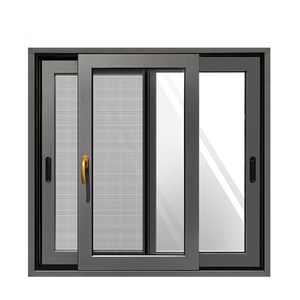
Engineered for extreme cyclonic wind loads, superior acoustic isolation, and ultra-low U-factor thermal performance across residential complexes, coastal resorts, and commercial properties.
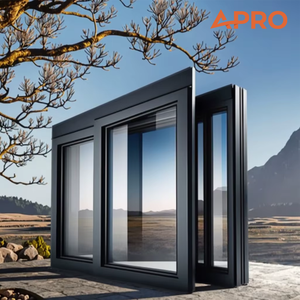
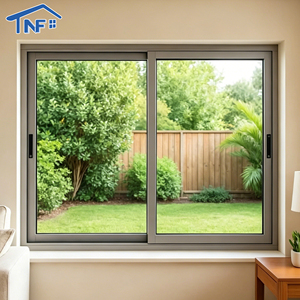
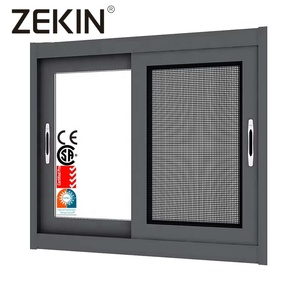
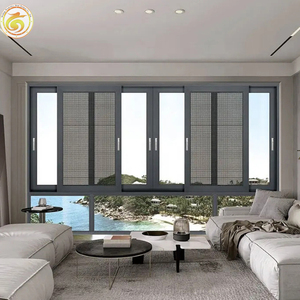
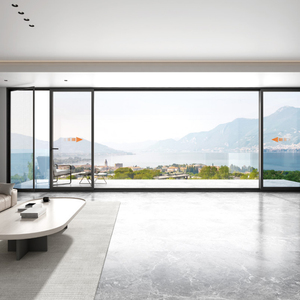
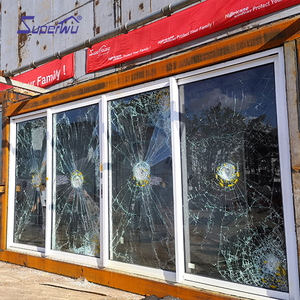
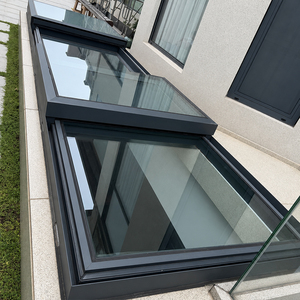
Recognised as an industry leader headquartered in the prime industrial manufacturing zone of Foshan, Guangdong Dejiyoupin Doors and Windows Co., Ltd. (DERCHI) operates on a vertically integrated manufacturing ecosystem.
Automated CNC extrusion lines cut profiles down to 0.1mm tolerance. Robotic dual-component silicone sealing prevents argon deflation and insulated glass failures.
Pioneers of the patented Four-Side Six-Point locking mechanism, delivering unmatched anti-pry intrusion resistance, ultra-low sound infiltration, and extreme wind load resistance.
Complete international test certifications covering Australian AS 2047 / AS 1288, North American NFRC and Florida NOA, CE marking for Europe, and ISO 9001 quality audits.
Multi-layer protective edge capping, fumigated solid timber export crating, and desiccated container stowage designed to survive trans-oceanic shipping without glass or track distortion.
When assessing tier-1 aluminium window fabricators, commercial procurement directors must evaluate technical parameters against regional building safety codes rather than superficial surface finishes.
A sliding window's Achilles' heel is sash overlap under pressure. Structural jamb interlocking and stepped sump drainage prevent catastrophic water backflow during driving windstorms.
| Test Criterion | Baseline Tier-1 Parameter |
|---|---|
| Design Wind Pressure | Up to 4500 Pa (AS 4055 / ASTM E330) |
| Water Penetration Resistance | 450 Pa to 700 Pa Tested Head |
| Air Infiltration Leakage | < 0.15 L/s·m² at 75 Pa |
Meeting contemporary energy codes like NCC 2022 or ASHRAE 90.1 requires true structural polyamide isolation (PA66 GF25) coupled with advanced low-emissivity glass packages.
| Performance Metric | High-Efficiency Value |
|---|---|
| Frame Material Quality | 6063-T5 / T6 Primary Billet |
| Overall U-Factor (Uw) | 1.4 – 1.8 W/m²·K (Thermally Broken) |
| Solar Heat Gain (SHGC) | 0.22 – 0.38 Custom Tailored |
Sliding window sash weights with heavy double or triple acoustic IGUs frequently crush cheap nylon wheels. Stainless steel quad bogie carriages preserve buttery motion over decades.
| Hardware Assembly | Endurance Criterion |
|---|---|
| Bogie Roller Lifespan | > 100,000 Cycle Open/Close Test |
| Surface Powder Coat | AAMA 2604 / 2605 Fluropon Qualicoat |
| Track Sub-Base | Extruded High-Tensile 316 Stainless |
As global carbon-reduction directives tighten and luxury architectural tastes gravitate toward seamless transparency, aluminium sliding systems are undergoing profound engineering innovations.
Contractors are phasing out high, disruptive trip hazards. Next-generation multi-track systems embed sub-floor siphon channels, delivering seamless transitions between interior spaces and external terraces while preserving high water-head compliance.
With sashes regularly scaling beyond 200 kg for high-wind facades, concealed high-torque linear servo motors interconnected with wind, rain, and smart home automation platforms (KNX/Zigbee) are transitioning from rare luxury to standard commercial specifications.
Institutional developers operating under LEED v4.1 and Green Star frameworks are mandating aluminium extrusions smelted using renewable hydropower and scrap circularity, cutting upstream embodied carbon emissions from 18kg CO2/kg to below 4kg CO2/kg.
Key technical, compliance, and import questions resolved for overseas developers, architectural quantity surveyors, and window importers.
Submit your elevation drawings, tender schedules, or target thermal/acoustic performance criteria. Our senior engineering estimation team will supply a full structural assessment and factory-direct proposal within 24 hours.
Get a Quote