Direct Factory Engineering
High-Performance Architectural Fenestration Systems
Explore our certified exterior entryway systems, weather-sealed casements, and engineered structural glazing assemblies built to withstand Tauranga's maritime salt winds and UV intensity.
Engineering Authority & Whitepaper
Structural Integrity & Material Science for Bay of Plenty Coastal Architecture
Why standard residential entry doors fail in Tauranga’s coastal boundary zones, and how our specialized multi-laminate timber and aluminum-clad systems provide generational durability.
Architects, commercial property developers, and residential builders operating across Tauranga, Mount Maunganui, Papamoa, and the wider Bay of Plenty face a severe environmental triad: intense ultraviolet solar radiation, driven oceanic salt air, and rapid atmospheric moisture cycling. Under the stringent New Zealand Building Code (NZBC Clause B2 for Durability, Clause E2 for External Moisture, and Clause H1 for Energy Efficiency), exterior wooden doors cannot be treated as decorative millwork. They must function as structural building envelope elements designed to resist wind-driven water ingress and cyclic cross-grain deflection.
Our direct-to-factory manufacturing process solves timber's historic vulnerabilities—dimensional expansion, grain check shearing, and veneer delamination—through precision multi-ply engineered timber cores (Glulam and cross-banded LVL timber technology), reinforced internal stainless steel stabilizer bars, and vacuum-infused marine sealants. By unifying natural organic timber aesthetics with factory-calibrated thermal-break framing and German multi-point compression mechanisms, we supply specifiers with doors that maintain air infiltration ratings under 0.05 m³/(h·m) and structural stability rated up to Very High Wind Zones (NZS 3604).
AS/NZS Sea-Spray Resistance
Tauranga’s marine coastal environment contains aerosol chlorides that corrode standard door hinges and degrade standard stains within months. Our timber systems feature marine-grade 316 stainless steel friction pivots, multi-coat fluorocarbon clear barriers, and sacrificial edge sealers that stop salt-crystallization cracking.
NZBC Clause H1 Thermal Compliance
With New Zealand's updated 5th Edition building code requiring stringent envelope U-values, uninsulated solid timber doors create localized condensation bridges. Our exterior wooden collections integrate high-density polyisocyanurate thermal cores and argon-filled Warm Edge double-glazed vision panels achieving overall thermal ratings of U ≤ 1.2 W/m²K.
Dimensionally Stable LVL Cores
Solid slab timber absorbs atmospheric humidity off Tauranga Harbour, resulting in lock binding and edge crowning. DERCHI engineered doors feature cross-oriented structural laminates that counteract tangential swelling, guaranteed to remain plumb under 95% relative humidity swings.
Localized Application Scenarios
Engineered for Tauranga's Diverse Architectural Topography
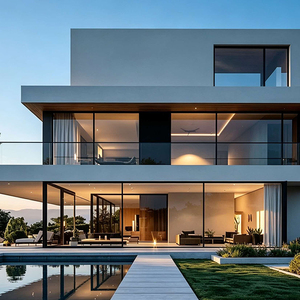
From oceanfront luxury villas along Marine Parade to hillside estates in Bethlehem and commercial multi-unit residential precincts in Tauriko, our doors meet hyper-local building demands.
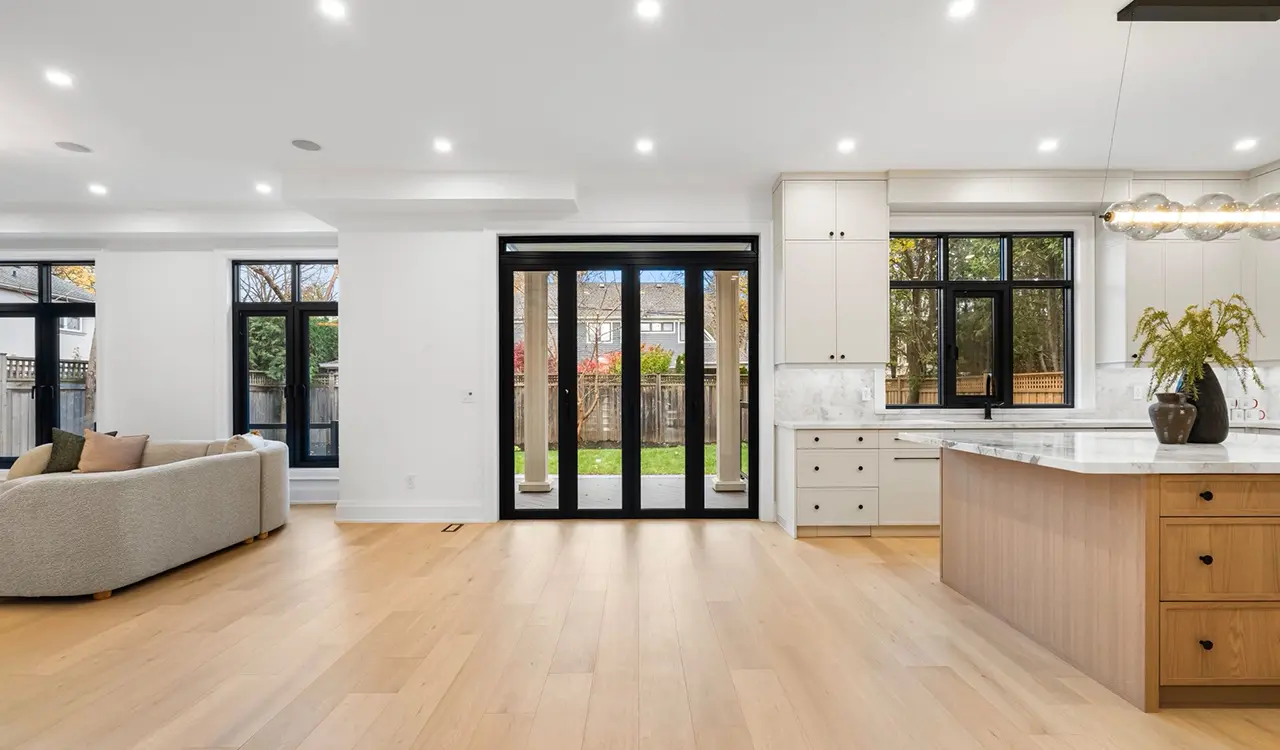
Mount Maunganui & Papamoa Beachfronts
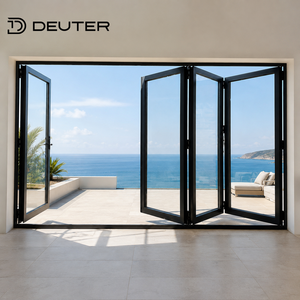
Coastal Waterfront Estates: Zero-Threshold Storm-Sealed Entrances
Modern coastal New Zealand architecture emphasizes uninterrupted ground-level spatial flow between grand entryways, internal courtyards, and seaside decking. Traditional timber doors warp under exposure to driven coastal rains and wind gusts sweeping across the Pacific Ocean.
- Sub-floor concealed drainage sills rated to 450 Pa water resistance (NZBC E2/AS1).
- Heavy-duty concealed European pivot hardware rated to support up to 450 kg sash loads.
- Alu-clad exterior protective faces paired with interior authentic teak, oak, or cedar timbers.
Hillside & Rural Bay Estates: Bethlehem, Welcome Bay & Pyes Pa
Elevated topography across the Kaimai foothills creates distinct micro-climates characterized by high seasonal temperature variations and intense winter dampness. Our thermal composite wooden entrance portals eliminate heat loss while maintaining classic New Zealand pavilion architectural proportions.
- Patented 4-Side 6-Point multi-directional compression locking system stopping draft infiltration.
- Argon gas insulated Low-E sidelight glazing configurations meeting AS 1288 human impact safety rules.
- Factory-applied acoustic deadening inner layers delivering acoustic insulation above Rw 42 dB.

Engineered Thermal Systems
180,000m²
State-of-the-Art Production Base
1,000,000m²+
Annual Capacity De-Risking Delivery
100+
Independently Developed Patents
25+
Years Engineering High-End Openings
Market Trends & Future Outlook
Emerging Trends Shaping Exterior Openings in Tauranga (2025–2030)
How shifting homeowner priorities, regulatory tightening, and biophilic architectural trends are redefining what architects specify for Bay of Plenty projects.
Alu-Clad Timber (Composite Hybridity)
Tauranga buyers increasingly reject high-maintenance all-timber exteriors that require annual re-staining against marine salt. The market is shifting decisively toward composite structures: thick exterior extruded aluminum shields protecting against the elements, fused to FSC-certified organic timber on the interior living face.
Oversized Pivot Formats & Flush Finishes
New architectural subdivisions across Tauranga feature 3-meter to 3.6-meter ceiling heights. Discerning homeowners demand dramatic entrance statements. Standard hinged door leaves sag at these dimensions; demand is surging for center-offset structural pivot systems featuring integrated concealed hydraulic closers.
Smart Access Integration & Biometrics
Mechanical keys are disappearing from luxury Bay of Plenty homes. Modern exterior timber doors are being pre-machined at our factory to accept 3D facial recognition, motorized deadbolts, and home automation systems concealed entirely within the timber door sash without compromising the thermal break envelope.
DERCHI Enterprise Excellence
Why New Zealand Importers & Builders Partner Directly With Our Factory
Combining world-class German automated production lines with personalized shop drawings and transparent logistical schedules directly to the Port of Tauranga.
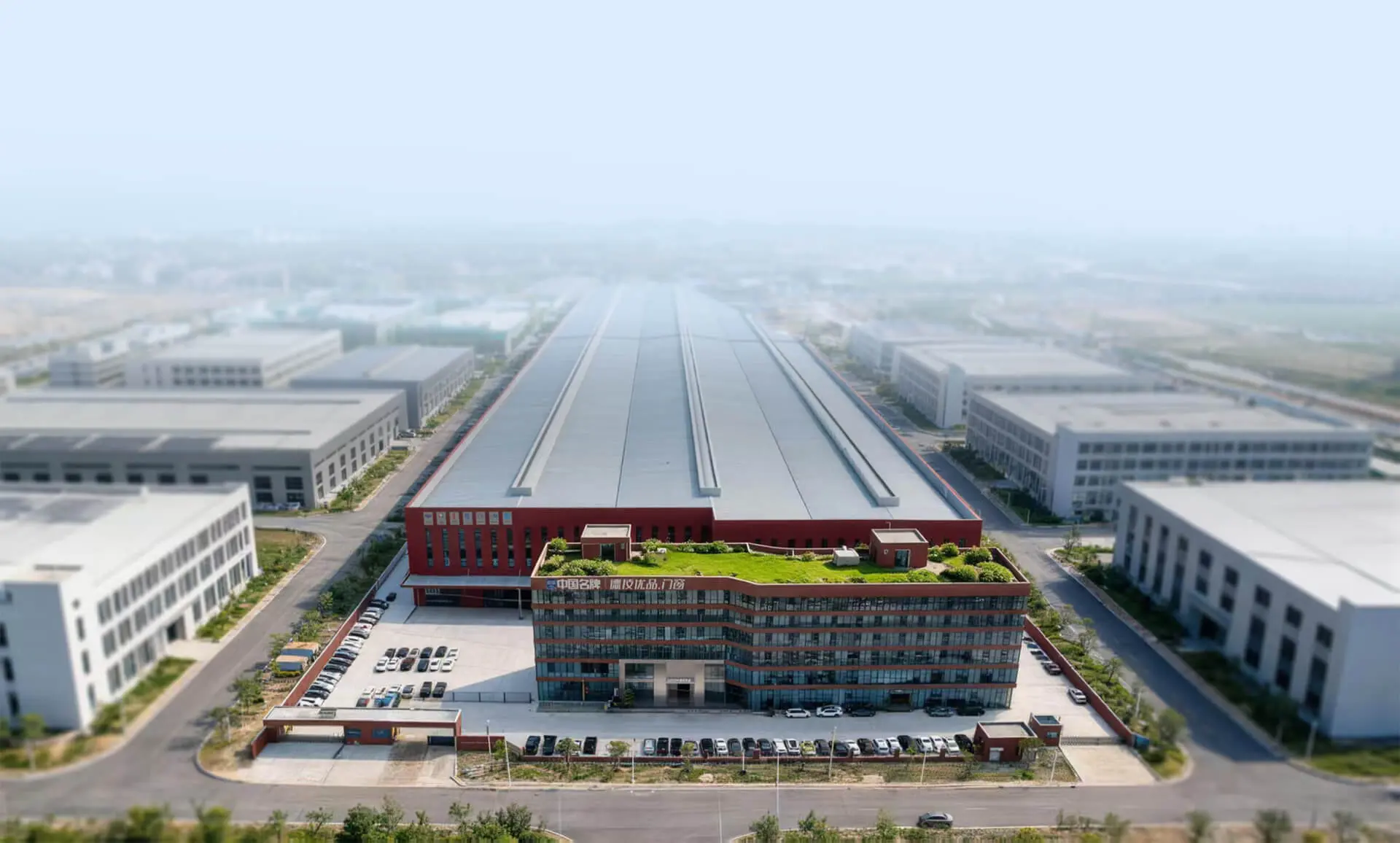
180,000 m² Modern Smart Manufacturing Base
Uncompromising Factory Scale Meets Rigorous QC
DERCHI (Guangdong Dejiyoupin Doors and Windows Co., Ltd.) is ranked among China's Top 10 door and window manufacturers, recognized as a "China Famous Brand" by Xinhua News Agency. For over 25 years, our 600+ skilled personnel and 30+ dedicated R&D engineers have engineered high-end systems for over 18,000 premier global projects.
- International Certification Grand Slam: AS 2047, NZS 4211, CE, NFRC, CSA, and ISO 9001 certified production lines.
- Proprietary Security Patents: Home to over 100 patents, including the patented 4-Side 6-Point Anti-Theft Lock technology.
- End-to-End Transparency: Comprehensive pre-assembly checks, moisture-resistant export wooden crating, and 16-22 days maritime transit to Tauranga.
Buyer Knowledge Base
Frequently Asked Questions: Ordering Doors for Tauranga Projects
Clear, direct answers regarding New Zealand council compliance, marine weather-stripping, freight forwarding to Bay of Plenty, and custom fabrication.
How do your exterior wooden doors comply with the New Zealand Building Code (NZBC)?
Our systems are tailored directly to NZBC performance criteria. Structural elements are tested and calibrated to NZS 4211 (Specification for performance of windows and doors), complying with wind-load classifications up to Extra High (EH) zones. Glazing configurations strictly satisfy AS/NZS 2208 safety standards, and thermal performance calculations are backed by simulation reports to verify compliance with the 5th Edition NZBC Clause H1 energy efficiency schedule.
Can solid exterior wooden doors withstand Mount Maunganui's salty sea spray without rot?
Direct marine salt-spray will damage untreated monolithic solid timber. For harsh coastal locations like Mount Maunganui and Papamoa Beach, we strongly recommend our Alu-Clad Timber composite series or our pressure-treated kiln-dried European Oak and Burmese Teak varieties. These profiles receive an advanced multi-coat elastomeric UV and salt-barrier finish, combined with 316 marine-grade stainless hardware, effectively preventing timber decay and grain checking.
What is the shipping process and lead time to the Port of Tauranga?
Upon final engineering sign-off on shop drawings, manufacturing takes approximately 25 to 35 days depending on bespoke carving and glazing selections. Sea freight directly from our Foshan facility out of South China ports to the Port of Tauranga typically takes between 16 and 22 days. All doors are packed with protective anti-scratch film, rigid corner guards, and fully enclosed moisture-barrier plywood crates designed for containerized international transit.
Do you supply CAD shop drawings and technical documentation for Council Building Consents?
Yes. Every order is supported by comprehensive elevation, plan, and sectional shop drawings prepared by our 30+ person engineering department. We detail rough opening clearances, flashing integration, sub-sill drainage profiles, and anchoring points to enable your licensed building practitioner (LBP), architect, or certifier to submit project documentation seamlessly to the Tauranga City Council or Western Bay of Plenty District Council.
Can I customize hardware, integrated smart locks, and bespoke dimensions?
Absolutely. We operate a highly flexible custom factory line. You can specify exact custom heights (up to 4.2m), widths, timber species (Teak, White Oak, Black Walnut, Larch), exterior powder-coat finishes (matching RAL or New Zealand Dulux palettes), and smart digital access devices such as biometric fingerprint readers and motorized concealed latching sets.
Ready to Engineer Custom Exterior Doors for Your Tauranga Project?
Connect with our technical door and window engineering division. Send your project schedule, architectural plans, or rough opening dimensions for a precision factory quotation.