Engineered Aluminum Doors & Windows for Ocean Island Architecture
Direct factory supply from our 180,000 m² Foshan manufacturing center to Pohnpei Port (Dekehtik). Tested to AS 2047, NFRC, CE, and Hurricane Impact specifications for superior structural resilience and airtight waterproofing.
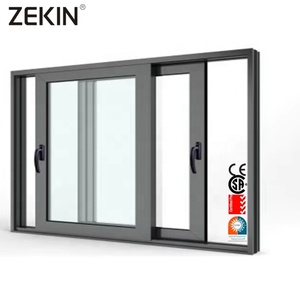
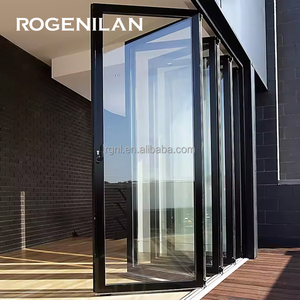

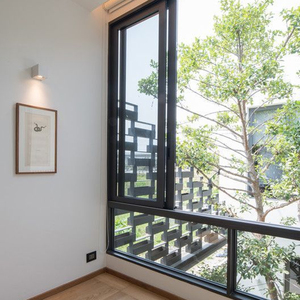
Palikir & Pohnpei Island Fenestration Challenges: Mitigating Extreme Rain, Salt, and Tropical Winds
Palikir, situated as the administrative capital of the Federated States of Micronesia (FSM) in the state of Pohnpei, occupies one of the most demanding environmental corridors on planet Earth for exterior building envelopes. Fenestration systems installed in this geographic zone encounter an annual rainfall volume frequently exceeding 4,500 to 5,000 millimeters, coupled with constant relative humidity exceeding 80%, perpetual tropical solar ultraviolet exposure, and marine aerosol carried inland from the surrounding Pacific Ocean.
For international architectural teams, sovereign infrastructure planners, and regional commercial developers procuring aluminum sliding glass doors for projects serving Palikir, off-the-shelf fenestration systems manufactured for mild continental environments fail rapidly. Salt mist corrodes generic hardware alloys, causing track binding, lock seizing, and electrolytic degradation within months. Concurrently, torrential equatorial downpours driven by cyclic Pacific storm fronts overwhelm standard sub-sill drainage cavities, inducing internal water inundation, structural ceiling decay, and mold bloom.
As a seasoned manufacturing exporter holding AS 2047, NFRC, CE, and Hurricane Impact certifications, our export line serving Palikir is engineered with rigorous structural adaptations: virgin 6063-T5 aluminum extrusions treated with marine-grade PVDF coatings, continuous high-dam sub-sills with anti-backflow baffles, dual-laminated Low-E impact glazing, and 316-grade austenitic stainless steel rolling carriages. This engineering standard guarantees that large-span sliding patio configurations maintain effortless kinetic action while protecting structural interiors under severe meteorological loading.
Severe Water Tightness (≥ 600 Pa)
Multi-chamber sub-sill extrusions featuring integrated drainage dams, stepped collection channels, and concealed gravity check valves engineered to block torrential driving rain common to Pohnpei's microclimate.
C5-M Marine Corrosion Resistance
Surface treatments exceeding 3,000 hours of continuous ASTM B117 neutral salt spray testing. Qualicoat Class 2/3 fluorocarbon PVDF finishes and 25-micron architectural anodization resistant to oceanic chloride attack.
Tropical Storm & Cyclone Wind Load
Reinforced interlock mullions delivering ultimate limit state (ULS) structural resistance up to 4,500 Pa, satisfying stringent Pacific storm codes and preventing framing deflection on oversized glazed openings.
Engineering Anatomy of Palikir-Grade Sliding Glass Door Systems
A sliding glass door system serving institutional, commercial, or luxury residential projects in Palikir must balance high thermodynamic performance with structural fortitude. In island territories relying predominantly on diesel-generated municipal microgrids or localized solar battery arrays, heat admittance through expansive glass panes directly escalates interior mechanical cooling loads. Our export systems integrate polyamide (PA66 GF25) thermal barrier strips with double-glazed, warm-edge insulated glass units (IGUs) incorporating high-selectivity Low-E coatings.
The structural anatomy documented below outlines the comparative criteria that procurement directors, facade consultants, and builders in Pohnpei State must evaluate to guarantee long-term operational durability over a 25-year operational horizon.
| Component Specification | Standard Commercial Grade | DERCHI Palikir Export Standard | Pacific Island Environmental Impact |
|---|---|---|---|
| Alloy Composition & Temper | Recycled billet 6063-T4 / T5 | Virgin Billet 6063-T5 / 6061-T6 | Prevents structural brittleness and intergranular oxidation under persistent tropical salt-fog exposure. |
| Wall Thickness (Extrusion) | 1.2 mm to 1.4 mm | 2.0 mm to 3.0 mm Heavy-Duty | Eliminates sash twisting across spans over 2.7m; supports multi-point lock alignment against wind gusts. |
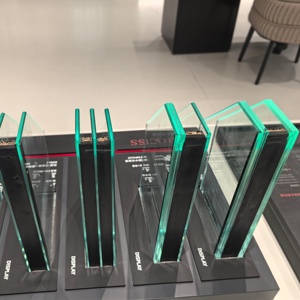
| Glazing Architecture | Single 6mm or clear 5+9A+5 IGU | 6mm Toughened + 12Ar + 6mm Low-E / SGP Lami | Reduces Solar Heat Gain Coefficient (SHGC ≤ 0.28) while withstanding wind-borne projectile impacts. |
| Roller Carriage & Track | Carbon steel / Zinc die-cast, nylon wheels | SUS316 Casing & Bearings, POM Dual Wheels | Eliminates track pitting, wheel flat-spotting, and roller seizure in high-salinity island coastal margins. |
| Sill Drainage Technology | Basic weep slots without baffling | Stepped Pressure-Equalized Sub-Sill | Prevents rainwater backflow during sustained horizontal winds of 120+ km/h common during tropical depressions. |
| Air Infiltration Rating | > 2.0 L/s·m² at 75 Pa | < 0.5 L/s·m² (AAMA / AS 2047 Class) | Stops conditioned air loss and prevents high ambient humidity from penetrating air-conditioned interiors. |
Localized Applications for Palikir & Pohnpei Development Zones
From the federal capital complex in Palikir to coastal eco-tourism developments along Sokehs Bay and high-elevation residential retreats across Nett and Madolenihmw, sliding glass doors must meet specialized programmatic requirements. Below are the core deployment scenarios where our engineered fenestration packages provide unmatched reliability and life-cycle performance.
Palikir Administrative Complexes & Diplomatic Missions
Designed for federal executive buildings and foreign embassy chancelleries in Palikir requiring multi-point security locking, STC 42 acoustic attenuation to dampen heavy equatorial rainfall noise, and expansive ballistic/impact-resistant laminated glazing.
Island Eco-Resorts & Waterfront Lagoon Lodges
Ultra-low flush sill profiles engineered for seamless indoor-to-outdoor transitions between luxury villas, verandahs, and ocean sundecks. Features anti-corrosive stainless steel insect mesh (316 Marine mesh) allowing unhindered ocean breezes without insect intrusion.
High-Elevation Foothill Residences in Pohnpei
Heavy-duty lift-and-slide systems capable of spanning 6-meter apertures to capture panoramic valley and lagoon vistas. Precision compression weathersealing guarantees zero air or moisture penetration during seasonal Pacific typhoons.
Micronesian Architectural Trends: Decarbonization, Cyclone Hardening, and Biophilic Design
The construction and building refurbishment landscape across the Federated States of Micronesia is entering a transformational cycle driven by three pivotal market currents:
1. The Imperative of Fenestration Energy Decarbonization
Electricity in Pohnpei remains one of the highest utility overheads due to heavy reliance on imported refined petroleum fuel for island power generation. In commercial facilities and governmental estates, air conditioning accounts for up to 65% of net electrical consumption. Historically, uninsulated, single-glazed louvers or rudimentary sliding doors permitted massive thermal conduction into interiors, creating an intense greenhouse effect. The integration of thermally broken aluminum sliding doors with advanced Low-E argon-filled units curtails solar heat transference by over 70%, yielding measurable utility savings and demonstrating a complete capital expenditure amortization cycle within 36 to 48 months.
2. Transition from Reactive Storm Boarding to Resilient Envelope Engineering
Across the Western Pacific, tropical low-pressure systems and super typhoons have intensified in peak wind velocity and rainfall concentration. The regional construction sector in Palikir is systematically pivoting away from wooden storm shutters and temporary external boarding. Modern architectural specifications mandate built-in, impact-rated structural fenestration testing conforming to ASTM E1886/E1996 and AS 2047 cyclonic parameters, ensuring that the glass envelope remains an unbroken pressure barrier during peak atmospheric events.
3. Low-Maintenance Kinetic Hardware Demanded by Island Geography
Remote geographic locations such as Pohnpei face protracted supply chains and expensive spare parts airfreight. Building owners are prioritizing long-life hardware ecosystems that eliminate recurring maintenance headaches. The specification of self-cleaning stainless steel tracks, hermetically sealed tandem precision rollers, and corrosion-proof interlock fasteners has shifted from a luxury upgrade to a mandatory contractual prerequisite.
Thermal Efficiency
U-values as low as 1.6 W/m²·K reducing interior HVAC loads under extreme equatorial ambient temperatures.
Four-Side Multi-Point Lock
Patented multi-point locking mechanisms providing superior structural perimeter compression and burglar resistance.
Complete Shop Drawings
CAD and 3D BIM integration customized to client structural substrates with structural engineering verification.
Ocean Freight Crating
Heavy-duty, fumigated multi-layer timber export crates with desiccant saturation for sea container transport to Dekehtik Port.
Why Tier-1 Ocean Pacific Specifiers Partner with DERCHI
Operating as a premier, recognized "China Famous Brand" (certified by Xinhua News Agency) with over 25 years of specialized fenestration manufacturing mastery, Guangdong Dejiyoupin Doors and Windows Co., Ltd. (DERCHI) represents an unshakeable manufacturing backbone for Pacific island developers. Spanning a state-of-the-art 180,000 m² smart production base in Foshan, China, our manufacturing infrastructure delivers an annual throughput exceeding 1,000,000 m² of certified architectural doors and windows.
Our dedicated Oceania & Pacific Engineering Division provides end-to-end design, structural wind calculation, fabrication, containerization, and logistical oversight directly to major international ports, including regular container vessel service to Pohnpei Port (Palikir). Supported by an elite team of 30+ R&D structural engineers, over 600 master craftsmen, and an international certification "grand slam" encompassing AS 2047, CE, NFRC, CSA, Energy Star, and ISO 9001, we de-risk the offshore procurement supply chain for developers, commercial builders, and institutional agencies across Micronesia.
25+ Years Industrial Heritage
Proven production track record spanning more than 18,000 residential, civic, and luxury resort developments worldwide.
Full Logistics Tracking
Direct ocean transit tracking from South China container hubs to Micronesia, complete with comprehensive customs and export paperwork.
Engineering Shop Support
Comprehensive installation blueprints, anchor spacing charts, flashing junction details, and real-time remote technical consultation.
Frequently Asked Questions: Sourcing Aluminum Sliding Doors in Palikir
Essential guidance addressing logistical, structural, material, and regulatory queries encountered by architects, contractors, and procurement officers importing fenestration systems to Pohnpei State, Federated States of Micronesia.
What are the exact shipping routes, transit durations, and port clearance procedures for Palikir? +
How does your engineering prevent water penetration during Palikir's extreme 4,500+ mm annual rainfall? +
Which surface finish provides the highest resistance against Pohnpei’s ocean air and salt-mist corrosion? +
Can your aluminum sliding glass doors withstand typhoons and cyclonic wind pressures in Micronesia? +
How do you protect oversized sliding door frames and glass from transit damage and moisture during sea freight? +
Do you provide customized shop drawings, structural calculations, and on-site installation guidance? +
Ready to Engineer Your Fenestration Project for Palikir?
Submit your architectural drawings, window schedules, and site wind load requirements to our technical export team for an immediate system proposal and direct container-load quotation.