Engineered Architectural Assemblies for Apia Projects
Explore our precision-fabricated aluminium doors and operable windows specified for the Pacific Islands. Every assembly features multi-chambered thermal barriers, cyclone-rated gaskets, and marine anodized or Qualicoat powder-coated finishes.
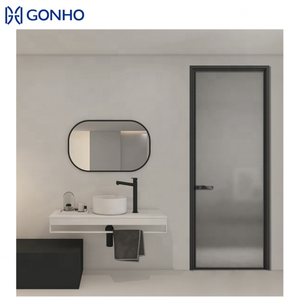
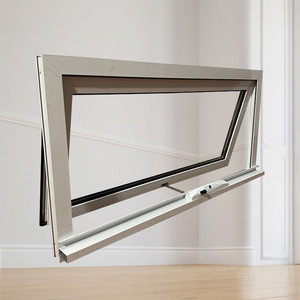
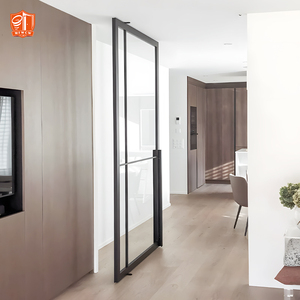
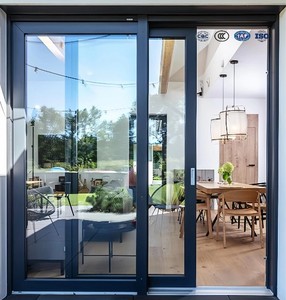
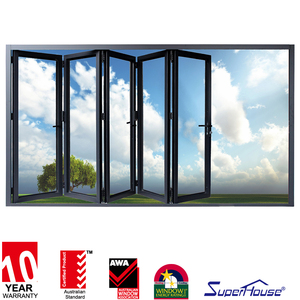
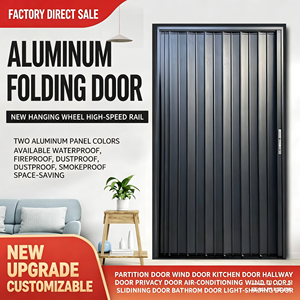
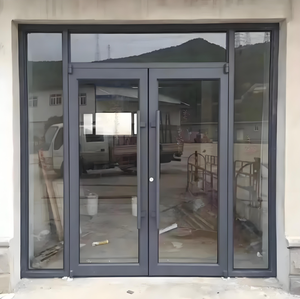
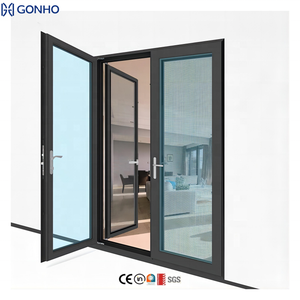
Aluminium kitchen half doors—historically referred to as Dutch doors, split stable doors, or articulated pass-through casements—represent an indispensable fenestration solution in the hot, humid microclimates characteristic of Apia, Samoa. Unlike traditional single-leaf doors that necessitate an all-or-nothing approach to ventilation and entry control, an aluminium half door divides the vertical leaf horizontally into two independently operable sections. The upper leaf commonly integrates insulated low-emissivity glass or heavy-gauge louver inserts, while the lower leaf incorporates high-strength structural aluminium panels or obscured security glazing.
For residential builds in coastal areas like Vaiala and commercial kitchens along the Apia waterfront, standard timber doors suffer catastrophic degradation: excessive moisture absorption causes seasonal swelling, fiber rot, termite infestation, and joint delamination. DERCHI's proprietary 6063-T6 architectural aluminium extrusion profiles eliminate structural deformation entirely. By treating our frames with advanced 25-micron architectural anodization or Qualicoat Class 2 fluorocarbon (PVDF) electrostatic coatings, our half-door systems permanently withstand the severe salt aerosol exposure characteristic of the Samoan archipelago.
The central challenge in engineering an effective kitchen half door lies in the transverse horizontal interlock—the junction where the upper sash meets the lower leaf. In poorly designed residential variants, this joint represents a primary vector for air leakage, wind-driven moisture entry, and mechanical sagging. DERCHI solves this via a precision-machined rebated astragal fitted with continuous dual-extruded vulcanized EPDM compression gaskets and concealed stainless steel drop-bolts.
When coupled together via our patented center deadbolt or intermediate slide bolts, the two leaves operate as a unified, monolithic security slab capable of resisting cyclical positive and negative wind pressures up to 4500 Pa (equivalent to Category 5 cyclonic events under AS 4055 wind classification C4). When uncoupled, the upper leaf swings effortlessly to establish high-volume passive thermal chimney effects, purging kitchen heat, cooking smoke, and moisture within seconds while the lower door remains securely latched against children, pets, and ground-level wind debris.
Architectural Applications Across Apia & Upolu
From suburban compounds in Motootua to luxury overwater villas in Lefaga, customized half-door assemblies deliver unmatched utility across varied culinary and architectural contexts.
Indoor-Outdoor "Umu" Kitchen Conduits
Traditional Samoan cooking involves outdoor earth ovens (umu) adjacent to modern indoor prep facilities. Our half doors bridge this transition: staff pass heavy platters over the locked lower leaf while venting grease and volcanic rock steam through the upper screened opening without allowing tropical flies or pests indoors.
Apia Waterfront Cafés & Servery Windows
Commercial beachfront bistros along Beach Road utilize wide-span aluminium split doors as dual-purpose utility barriers. During morning trade, the upper sash folds away on heavy-duty stainless friction hinges to function as an open service bar; during evening gale warnings, the leaf engages multi-point marine deadbolts.
Multigenerational Residential Compound Security
Modern suburban residences in Vaitele and Alafua prioritize open ventilation without compromising family child safety. The lower solid-panel aluminium leaf prevents toddlers from accessing exterior steps, wet verandas, or generator yards, while the upper sash circulates natural southeastern trade winds continuously.
Comparing Kitchen Half Door Configurations for Samoa
Select the appropriate structural build-up based on site exposure, wind classification, and spatial hygiene requirements.
| System Configuration | Upper Leaf Infill | Lower Leaf Infill | Water Tightness (Pa) | Wind Rating | Primary Apia Application |
|---|---|---|---|---|---|
| Tropical Standard Dutch Door | 5mm+9A+5mm Tempered Clear | Insulated Double Alum Plate | 300 Pa (Static) | AS 2047 N3 / C1 | Urban Residential Pantries & Sculleries |
| Coastal Cyclone-Shield Split | 6.38mm Laminated Security Glass | Reinforced 2.0mm Fluted Panel | 600 Pa (Cyclonic) | AS 4055 C3 / C4 | Waterfront Villas, Beachfront Resorts |
| High-Vent Louver Hybrid | Aluminium Operable Louvers + Flyscreen | Tempered Frosted Safety Glass | 450 Pa (Baffled) | AS 2047 N4 / C2 | Commercial Prep Kitchens & Bakeries |
| Acoustic Thermal Break Barrier | Low-E Argon Filled Insulated Glass | High-Density Polyurethane Core Panel | 700 Pa (Dynamic) | NZBC H1 Compliant | Air-Conditioned Luxury Hotel Suites |
Samoa's architectural landscape is undergoing a decisive paradigm shift. The historical reliance on uninsulated timber structures and rudimentary timber louver jalusies is rapidly transitioning toward high-performance aluminium building envelopes. Driven by severe climate events—including Cyclones Evan and Gita—local specifiers, structural engineers, and government planners in Apia now enforce stringent structural resilience criteria, prioritizing materials that do not rot, oxidize, warp, or support fungal colonization.
Concurrently, energy conservation is entering the forefront of local design criteria. While natural ventilation remains an intrinsic part of Fa'a Samoa (the Samoan way of life) and traditional fale aesthetics, indoor kitchens in contemporary homes and resorts are increasingly integrated into climate-controlled central footprints. This dual mandate creates a unique engineering demand: fenestration products must allow complete uninhibited airflow during mild ocean breeze cycles, yet seal hermetically with high U-value performance when internal air conditioning runs during mid-day tropical heat peaks.
Architects across Upolu are addressing this through the specification of thermally broken aluminium half doors equipped with multi-point perimeter compression seals. By isolating the interior aluminium extrusion from the exterior frame through a low-conductivity polyamide (PA66 GF25) thermal barrier strip, conductive heat transfer from the blazing equatorial sun is mitigated. This reduces internal surface temperatures, preventing condensation accumulation inside humid kitchen spaces and drastically lowering cooling energy consumption.
Another dominant trend is the integration of architectural insect screens directly into the half door sash. In tropical Samoa, vector control against dengue and mosquito-borne illness is a critical public health consideration. DERCHI's proprietary engineering combines high-tensile 304/316 marine-grade stainless steel security mesh (0.8mm wire diameter) within the upper operable half-door leaf. This assembly functions concurrently as an open airflow conduit, an insect barrier, and a certified burglar deterrent, rendering unsightly secondary wrought-iron security grills obsolete.
Why Commercial Importers & Builders in Apia Partner with DERCHI
Headquartered in Foshan, Guangdong Dejiyoupin Doors and Windows Co., Ltd. (DERCHI) operates one of Asia's most sophisticated zero-error door and window smart fabrication plants. With a 180,000 m² footprint and over 25 years of specialized export engineering, we de-risk the Pacific Island supply chain.
Request an Apia Project Schedule Takeoff
Send us your door & window schedules, architectural elevations, or wind-load site classifications. Our bilingual technical engineering team will deliver a comprehensive, itemized factory-direct quote within 24 hours.
Send an InquiryFrequently Asked Questions for Apia Buyers
Technical, logistical, and architectural answers for builders, property developers, and homeowners importing directly to Samoa.
How do DERCHI aluminium kitchen half doors hold up against Apia's corrosive marine environment?
Are your door and window systems compliant with the National Building Code of Samoa and AS/NZS standards?
What is the shipping process and lead time from your factory to the Port of Apia (Matautu)?
Can the upper leaf of the half door accommodate integrated flyscreens and security mesh simultaneously?
How does the horizontal junction between the top and bottom leaves seal against wind-driven torrential rain?
Can I customize the lower leaf with solid aluminium panels instead of glass for privacy and pet protection?
Ready to Engineer Your Fenestration Package for Apia?
Whether you are building a private coastal retreat in Lefaga, upgrading a restaurant along Beach Road, or managing a multi-unit residential development in Vaitele, our engineering team provides direct factory pricing and technical CAD support.