Engineered Architectural Facade Systems & Entry Portals
Precision-manufactured utilizing aviation-grade 6063-T6/T5 aluminum alloys, structural multi-point anti-theft locking hardware, and high-efficiency double/triple insulated glazing.
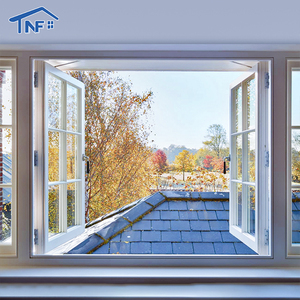
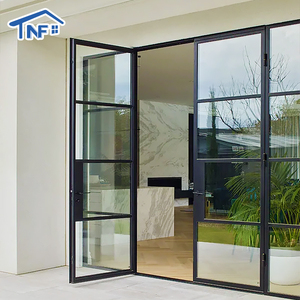
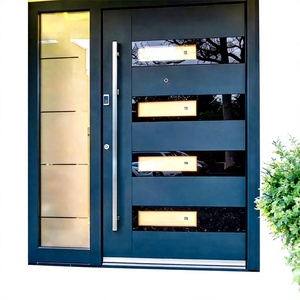
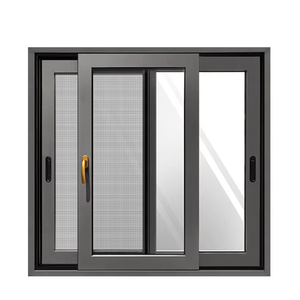
Full-Chain OEM/ODM Manufacturing Excellence
Operating as a premier Tier-1 door and window manufacturing conglomerate headquartered in Shishan Town, Nanhai District, Foshan, Guangdong, our infrastructure is engineered to serve large-scale residential communities, luxury hospitality resorts, and commercial developments across North America, Europe, Australia, New Zealand, and Oceania.
Every custom front door and structural facade system undergoes rigorous testing protocols to meet and exceed global regulatory benchmarks, including AS 2047, AS 1288, CE, NFRC, CSA, and ISO 9001. Our zero-error automated assembly lines guarantee micro-millimeter precision, structural seam integrity, and consistent physical vapor deposition (PVD) / fluorocarbon architectural coating performance.
Six-Point Multi-Lock
Patented Four-Side Six-Point locking assemblies deliver commercial anti-theft security.
Polyamide Thermal Barriers
PA66 GF25 thermal breaks minimize U-values down to ≤ 1.2 W/m²K.
Cyclone & Impact Rated
Engineered to resist dynamic wind pressures up to 4500 Pa and high cyclic loads.
Marine-Grade Durability
AkzoNobel powder coating & anodized finishes exceeding 2,500-hour salt spray tests.

Next-Generation Aluminum Front Door Procurement Trends
Strategic analysis of technical, regulatory, and aesthetic evolutions redefining global exterior entryway specification.
Ultra-Low Carbon Footprint & Decarbonized Billets
Global building mandates (such as NCC 2022 in Australia, NZBC H1 in New Zealand, and the EU Energy Performance of Buildings Directive) require documented embodied carbon thresholds. Procurement officers are shifting rapidly to certified green-billet aluminum produced via hydropower smelters. OEM factories providing Life Cycle Assessments (LCA) and Environmental Product Declarations (EPD) are capturing tier-1 contracts.
High-Infiltration Multi-Point Barrier Engineering
Traditional entrance doors rely on single-point deadbolts that flex under hurricane-grade lateral loads or severe thermal expansion. Modern architectural specifications necessitate three-dimensional adjustable concealed hinges combined with multi-axis pneumatic interlocking gaskets. Patented Four-Side Six-Point locking geometries eliminate air infiltration (Q100 ≤ 0.1 m³/h·m) and resist crowbar prying forces exceeding Class RC3 security criteria.
Monumental Pivot Formats & Thermal Bridges
Architectural demand has transitioned toward grand oversized pivot doors reaching dimensions up to 2.2 meters in width and 4.5 meters in height. Handling these extreme physical panel weights (exceeding 350 kg) while isolating internal warmth from sub-zero or tropical exteriors requires specialized polyketone/polyamide composite profiles, reinforced carbon-fiber internal stiffeners, and heavy-duty concealed hydraulic floor springs.
Integrated Smart Access & Biometric Telemetry
Contractors are transitioning away from retrofitted aftermarket smart deadbolts. The prevailing OEM standard integrates flush-mounted biometric sensors, 3D facial recognition matrices, smart building bus connections (KNX/Zigbee/Matter), and concealed conductive wire hinges directly inside the extruded thermal profile during factory pre-assembly. This prevents on-site cabling failures and preserves weather sealing performance.
Hurricane-Impact Structural Glazing (AS/NZS 1170 & ASTM E1886)
With volatile coastal storms intensifying, front doors incorporating glass elements must utilize SentryGlas (SGP) ionoplast interlayers or PVB multi-laminated structural sheets. Exterior entry doors destined for high-wind geographic locations are tested against 9 kg 2x4 lumber impacts at 50 feet per second, followed by 9,000 cycles of dynamic positive and negative wind pressures without seal failure.
Supply Chain Audits & Digital BIM Integration
B2B importers and general contractors no longer procure via static PDF catalogs. Leading OEM manufacturers must deliver level-of-development (LOD) 350+ Building Information Modeling (BIM) families (.rfa format) with embedded thermal parameters, structural weight data, and anchor-hole detailing. Direct digital factory shop drawings shorten lead times from architectural sign-off to container loading by up to 35%.
Structural Integrity & Global Compliance Framework
Comprehensive comparative engineering parameters for custom aluminum entrance portals manufactured at our Foshan facility.
| Specification Dimension | DERCHI Architectural Standard | Industry Generic Standard | Regulatory / Testing Reference |
|---|---|---|---|
| Aluminum Alloy Quality | Primary 6063-T6 Aviation Billet (Wall thickness 2.0–3.5mm) | Recycled 6063-T5 (Wall thickness 1.2–1.6mm) | GB 5237 / ASTM B221 |
| Thermal Break Engineering | Technoform PA66 GF25 Polyamide Strips (Multi-cavity) | Standard PVC Strips or Non-Thermal Profiles | DIN EN 14024 / NCC Section J |
| Wind Pressure Resistance | Serviceability > 3000 Pa; Ultimate Strength > 4500 Pa | < 1500 Pa (Standard Residential) | AS 2047 / ASTM E330 |
| Weather Gasketing System | Continuous EPDM Automotive Cellular Vulcanized Rubber | Stapled/Glued PVC or TPE Foam Gaskets | ASTM C864 / EN 12365 |
| Corrosion & Salt-Air Barrier | AkzoNobel Interpon D2525 Fluorocarbon PVDF ≥ 40μm | Standard Industrial Powder Coat ≤ 20μm | AAMA 2605 / Qualicoat Class 2 |
Frequently Asked Questions: OEM Aluminum Front Door Sourcing
In-depth technical answers addressing certification, container logistics, custom engineering tolerances, and warranty parameters.
1. How does your engineering ensure compliance with strict ocean freight handling and Australian AS 2047 / AS 1288 standards?
2. What is your minimum order quantity (MOQ) for custom OEM aluminum entry door production and private labeling?
3. What structural advantages does your patented Four-Side Six-Point lock provide over standard European locking gear?
4. Can you provide turnkey custom engineering shop drawings, BIM models, and structural calculation sheets?
5. What warranty terms and after-sales support are provided to international wholesalers and project contractors?
6. How do you handle thermal expansion and color consistency on extra-wide front doors exposed to direct sunlight?
Initiate Your Custom OEM Door Engineering Program Today
Consult with our technical engineers for opening schedules, AS 2047 test documentation, CAD/BIM shop drawings, and competitive direct factory FOB/CIF pricing.
Send an Inquiry