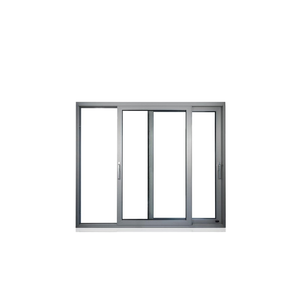
Modern Double Glazed Hurricane Impact Sliding Window Low-E Glass Exterior
Reinforced structural track, cyclonic wind-load resistance, acoustic decoupling.
View SpecificationsPrecision-extruded aluminum systems, thermal-break barriers, and architectural configurations designed to satisfy global fenestration standards.
Reinforced structural track, cyclonic wind-load resistance, acoustic decoupling.
View Specifications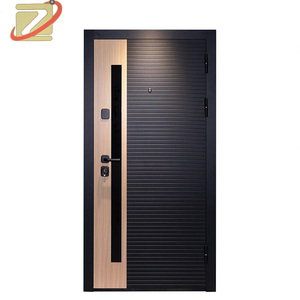
Patented multi-point locking integration, biometrics, anti-theft heavy-duty leaf.
View Specifications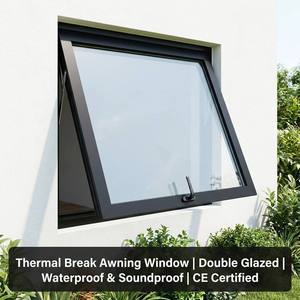
Continuous gasket compression perimeter, leak-free performance under driving rain.
View Specifications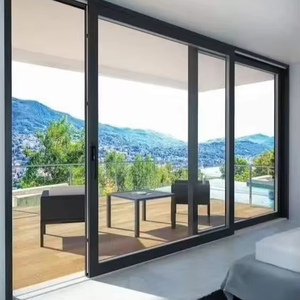
Stainless steel floor guide tracks, panoramic glass-to-frame ratios, smooth glide.
View Specifications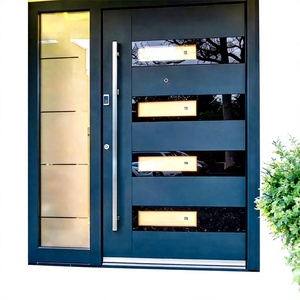
Integrated fiberglass screen, high-performance polyamide thermal barrier.
View Specifications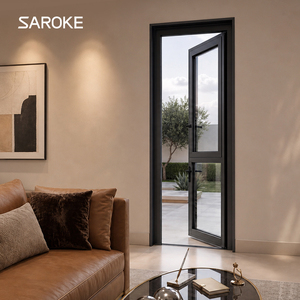
NFRC-aligned thermal bridging design, architectural matte black powder coating.
View Specifications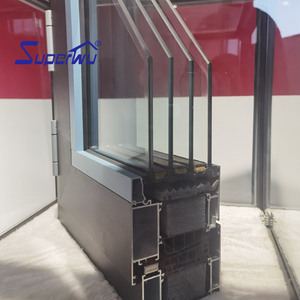
Ultra-low U-factor profile, argon-filled warm edge insulated glass units (IGU).
View Specifications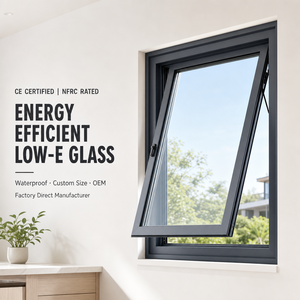
Engineered commercial envelope solution with dual low-E selective coatings.
View SpecificationsArchitectural fenestration is undergoing rapid material transformations driven by net-zero operational codes, extreme meteorological events, and digital supply chain integration.
Global regulatory bodies are shifting from prescriptive frame-only ratings to integrated system testing. The adoption of stringent requirements (such as Australia's NCC 2022, New Zealand's NZBC Clause H1, and the North American IECC codes) necessitates high-density Polyamide 6.6 (PA66) thermal breaks with 25% glass fiber reinforcement. Procurement vectors show clear migration toward U-factors below 1.4 W/m²K, supported by multi-cavity chambers and warm-edge warm-air spacer technology.
Aluminum clad windows merge the structural longevity, weatherproofing, and powder-coat flexibility of 6063-T5/T6 architectural aluminum exteriors with the natural thermal damping and biophilic luxury of interior certified hardwoods (white oak, larch, pine). OEM production trends require independent expansion-joint clips that resolve disparate thermal expansion coefficients between timber and aluminum across temperature deltas of -30°C to +80°C.
With cyclonic seasons intensifying worldwide, specifiers in Oceania, the Caribbean, and coastal North America are mandating impact verification. Standard fenestration is being replaced by SentryGlas (SGP) laminated systems, multi-point internal shoot bolts, and heavy-wall structural profiles capable of resisting design pressures exceeding 4500 Pa without air leakage or framing deflection.
A rigorous empirical comparison of architectural framing substrates for commercial and luxury residential envelopes.
| Performance Characteristic | Standard Uninsulated Aluminum | Thermally Broken Aluminum (PA66) | Engineered Aluminum Clad Timber | Regulatory Standard Aligned |
|---|---|---|---|---|
| U-Factor Range (W/m²K) | 4.5 – 6.0 | 1.6 – 2.4 | 0.8 – 1.4 | ISO 10077-2 / NFRC 100 |
| Condensation Resistance Factor (CRF) | < 35 (High Risk) | 55 – 68 (Low Risk) | 75 – 88 (Virtually Immune) | AAMA 1503 |
| Cyclonic Wind Resistance | Up to 1500 Pa | Up to 3500 Pa | Exceeds 4500 Pa (Reinforced) | AS 2047 / ASTM E1886/E1996 |
| Coastal Salt-Spray Tolerance | Moderate Oxidation | High (Fluorocarbon/PVDF) | Maximum (Ext. PVDF / Int. Sealed) | Qualicoat Class 2 / AAMA 2605 |
| Acoustic Attenuation (Rw/STC) | 28 – 32 dB | 34 – 39 dB | 42 – 48 dB (Decoupled Mass) | ASTM E90 / ISO 717-1 |
Operating as Guangdong Dejiyoupin Doors and Windows Co., Ltd., we combine enterprise-scale robotic machining with dedicated bespoke engineering services.
Equipped with high-precision CNC multi-axis machining centers from Germany and Italy, ensuring automated profile cutting, water-slot milling, and hardware insertion tolerances controlled within 0.1mm.
Holders of the complete international accreditation spectrum: Australian AS 2047 & AS 1288, North American NFRC and CSA, European CE, and Energy Star qualifications, supported by ISO 9001 certified manufacturing.
Holders of over 100 patents, including the industry-exclusive Four-Side Six-Point perimeter lock system, providing anti-crowbar tamper-resistance for luxury villa entrances and vulnerable patio spans.
From shop drawings, wind load calculations, and acoustic engineering proposals to container loading inspections and global site installation guidance, we provide a unified source of accountability.
Essential answers regarding compliance validation, packaging resilience, custom extrusions, and lead-time scheduling.
Submit your architectural CAD elevations, opening schedules, or engineering briefs to our technical director. Our team delivers comprehensive structural calculations, thermal simulations, and quotation packages within 48 hours.
Contact Us