Featured Architectural Systems & Export Collections
Certified, tested, and precision-manufactured for high-end residential, passive estate, and commercial envelope applications.
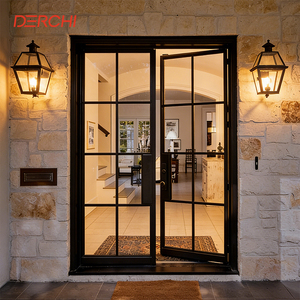
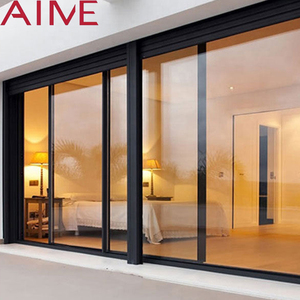
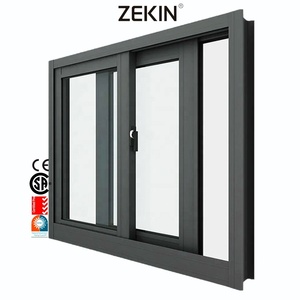
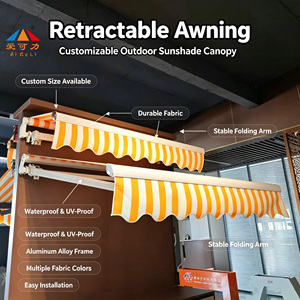
Executive Industry Overview: The Global Emergence of Hybrid Fenestration
In high-performance building envelope design, aluminum-clad wood windows (alucad wood) have emerged as the benchmark solution bridging natural bio-architectural aesthetics with heavy commercial durability. As national energy codes across North America (ENERGY STAR Version 7.0, NFRC), Oceania (AS 2047, AS 1288, NCC 2022, NZBC H1), and the European Union (EN 14351-1, Passive House Institute PHI) enforce stringent maximum thermal transmittance (U-factors below 0.8 to 1.2 W/m²·K), single-substrate profiles are increasingly rendered obsolete.
Traditional solid timber windows provide exceptional natural thermal isolation and carbon sequestration, yet their exposed external timber requires intensive, costly scheduled refinishing and remains vulnerable to moisture degradation, UV photodegradation, and fungal rot. Conversely, thermally broken aluminum systems yield extraordinary structural integrity, ultra-slim sightlines, and zero external upkeep, but fall short in providing the organic tactile warmth and historic architectural resonance demanded in luxury custom residential estates and boutique commercial hospitality developments.
The Engineering Solution: By combining an interior load-bearing, precision-milled timber chassis (such as FSC-certified Northern European Pine, American White Oak, or Larch) with an external architectural-grade 6063-T6 extruded aluminum shield coupled via dynamic, non-rigid polyamide composite retaining clips, alu-clad fenestration negates thermal bridge hazards while isolating the interior wood from ambient atmospheric turbulence and exterior expansion differentials.
Today, China represents the primary manufacturing epicenter for wholesale alu-clad wood window fabrication, housing cutting-edge 5-axis CNC machining plants, automated surface treatment facilities, and robotic glass assembly lines. However, B2B procurement professionals, importers, commercial developers, and glazing specifiers must critically navigate the vast delta in technical execution across Chinese exporters, separating domestic-grade assemblers from internationally accredited engineering manufacturers who hold verifiable AS 2047, NFRC, CE, and ISO 9001 certifications.
Foshan Smart Production Base
Annual Manufacturing Capacity
Proprietary National Patents
Global Completed Projects
Technical Architecture & Material Engineering of Wholesale Alu-Clad Systems
Evaluating an alu-clad wood window from a manufacturing and long-term envelope reliability standpoint requires an analytical dissection of the profile composition, mechanical fastening philosophy, and drainage kinematics. Top-tier Chinese export manufacturers adhere to rigorous material standards:
Multi-Layer Laminated Timber
Interior core components are manufactured from three- or four-ply finger-jointed, radial-cut laminated timber (solid timber warp prevention). Kiln-dried to strict 10%–12% equilibrium moisture content (EMC), treated with water-borne, micro-porous anti-fungal primers and electrostatic topcoats.
Floating Mechanical Fasteners
Wood and aluminum exhibit vastly different linear coefficients of thermal expansion (aluminum expands roughly 2.5 times faster than dry wood). Precision polymer clips ensure the exterior aluminum cladding "floats" over the interior wood core, preventing warping, internal stress shearing, or acoustic squeaking.
Pressure-Equalized Drainage
Export-grade profiles integrate stepped isobaric chambers equipped with continuous EPDM multi-cavity co-extruded gaskets. Water ingress is captured within a dedicated, vented aluminum drainage channel and expelled outward before moisture can make contact with the timber sub-frame.
Glazing units incorporated into modern export lines must match the structural envelope requirements of hurricane-prone or cold-climate deployment. Chinese industrial glass processing lines (equipped with Lisec and Bystronic automated handling) produce double- or triple-glazed insulated glass units (IGUs) utilizing warm-edge composite spacers (Technoform, Swisspacer), Low-E magnetron sputtering coatings, and 90%+ Argon or Krypton gas fills to drive center-of-glass Ug ratings below 0.6 W/m²·K.
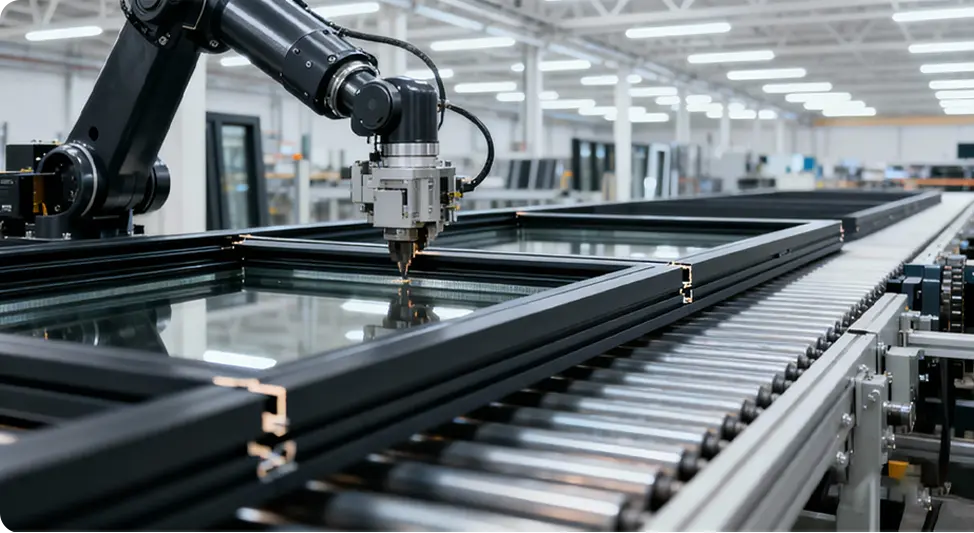
Zero-Error Intelligent CNC Manufacturing in Foshan
At our 180,000 m² state-of-the-art production base in Foshan, Guangdong (Dejiyoupin Doors and Windows Co., Ltd. / DERCHI), structural engineering meets robotic consistency. With over 600 skilled technicians and 30+ dedicated R&D fenestration engineers, every cut, corner crimping, and silicone injection is controlled via digital shop-drawing BIM telemetry.
Unlike regional workshops that assemble pre-bought profile lengths manually, our integrated facility oversees aluminum extrusion, electrostatic powder-coating (Qualicoat Class 2 / AAMA 2605 specifications), multi-axis mortise-and-tenon wood jointing, and multi-point hardware integration in-house.
This closed-loop manufacturing paradigm eliminates cumulative manufacturing tolerances, ensuring that every sash matches opening schedules with sub-millimeter precision before export packaging.
Request Factory Tour & CatalogFuture Procurement Trends: How Global Regulatory Changes Shape 2025–2030 Sourcing
Wholesale window and door procurement has shifted definitively from raw price-per-square-meter bargaining to comprehensive life-cycle performance analysis, regulatory risk mitigation, and supply chain decarbonization. Architectural specifiers and commercial developers are responding to three macro industry vectors:
Embodied Carbon & FSC Chain of Custody
Developers are prioritizing products with verified Environmental Product Declarations (EPDs). Sourcing timber via verified, sustainable FSC-certified supply lines combined with recycled aluminum alloys (low-carbon smelting) delivers key points for LEED, BREEAM, and Green Star certifications.
Stringent Energy Code Mandates
With the adoption of NCC 2022 7-star NatHERS ratings in Australia, NZBC Clause H1 in New Zealand, and Title 24 / IECC 2024 revisions across the United States, standard non-thermally broken frames are effectively barred from permitted building envelopes. Alu-clad wood offers an out-of-the-box solution meeting Uw ≤ 1.0–1.2 W/m²·K targets.
Cyclonic & Hurricane Impact Compliance
Extreme climate events dictate higher design wind pressure ratings. Global specifiers require products validated for cyclonic wind classifications (AS 4055 N4/N6, C3/C4; Florida Building Code ASTM E1886/E1996 Large Missile Impact). Systems must feature multi-point perimeter steel deadbolts, laminated PVB/SGP interlayers, and rigid aluminum structural backings.
Direct-to-Factory Engineering Integration
Traditional multi-tier middleman supply chains are fading in favor of direct B2B manufacturer collaborations. By transmitting architectural CAD/Revit files directly to Chinese factory R&D departments, builders receive project-specific shop drawings, wind-load calculations, and custom extrusion tooling with direct warranty backup.
B2B Fenestration Substrate Matrix: Comparative Engineering Analysis
For architectural specifiers evaluating system trade-offs between standard aluminum, uPVC, solid wood, and composite aluminum-clad wood frames, the following matrix benchmarks critical performance metrics:
| Performance Criteria | Aluminum Clad Wood (DERCHI Hybrid) | Standard Thermal Break Aluminum | Solid Natural Timber | Commercial Grade uPVC / Vinyl |
|---|---|---|---|---|
| Thermal Transmittance (Uw) | 0.8 – 1.3 W/m²·K (Superior) | 1.4 – 2.2 W/m²·K (Moderate) | 1.1 – 1.6 W/m²·K (Good) | 1.2 – 1.8 W/m²·K (Good) |
| Exterior Weather Resistance | Extreme (AAMA 2605 Powder Coat / Anodized) | Extreme (Surface Treated) | Low (Requires regular maintenance / recoat) | Moderate (Risk of UV embrittlement & discoloration) |
| Interior Aesthetic & Tactile Quality | Premium Architectural Timber (Oak, Pine, Larch) | Cold Industrial Metallic Finish | Premium Architectural Timber | Utility Plastic / Synthetic Lamination |
| Acoustic Attenuation (Rw / STC) | 38 – 46 dB (High natural wood mass dampening) | 32 – 38 dB | 35 – 42 dB | 30 – 35 dB |
| Structural Rigidity for Large Glass Spans | High (Reinforced multi-point composite) | Very High (Heavy structural profiles) | Moderate (Prone to deflection under self-weight) | Low (Requires steel core channel reinforcement) |
| Target Applications | Luxury Villas, Passive Houses, 5-Star Resorts | High-Rise Envelopes, Commercial Storefronts | Heritage Restorations, Eco Cabins | Mass Residential Subdivisions, Modular Housing |
Why International Importers Source Through DERCHI
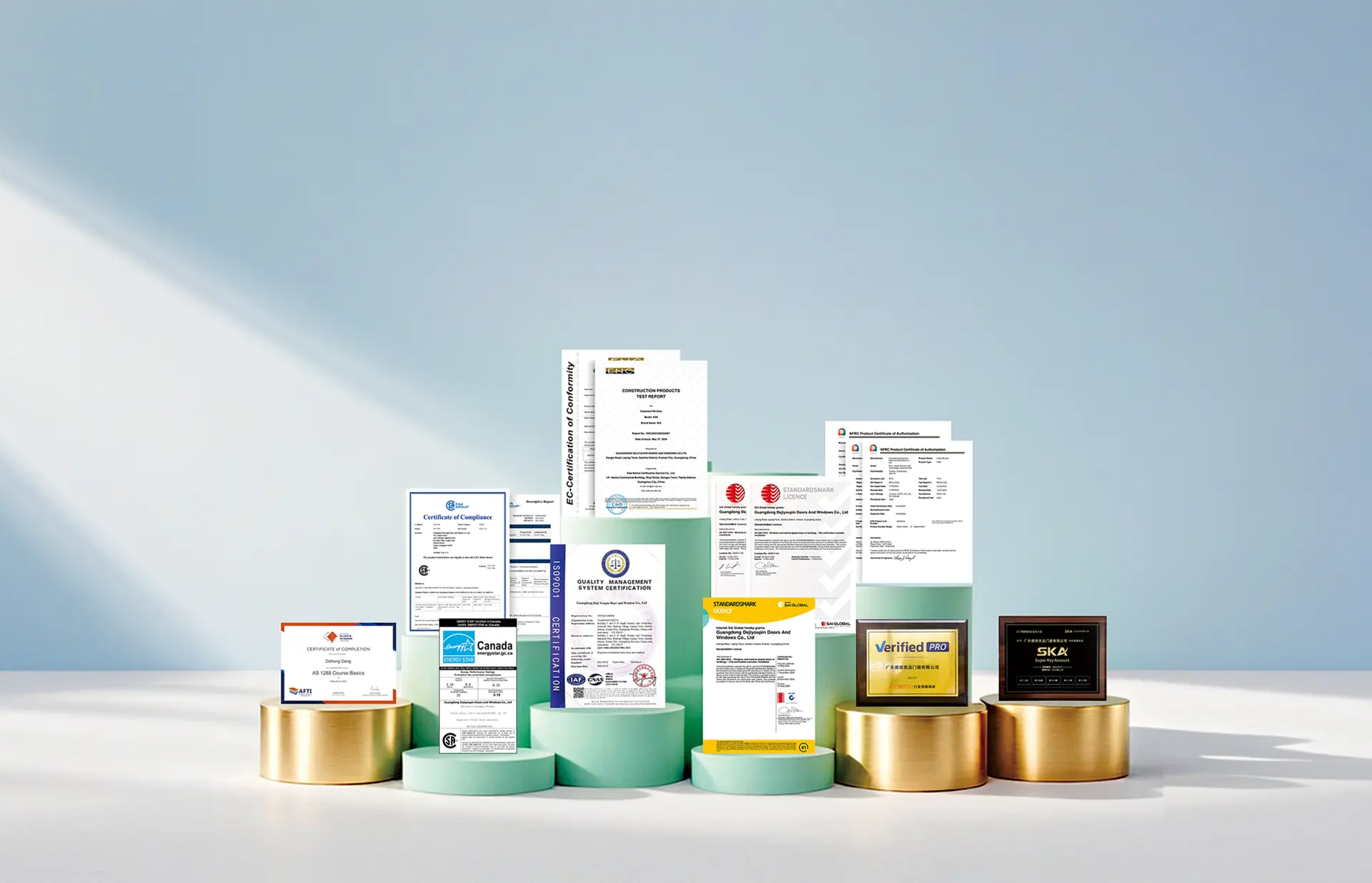
Ranked among China's Top 10 door and window manufacturers and honored as a "China Famous Brand" by Xinhua News Agency, DERCHI combines large-scale industrial output with comprehensive international certifications.
Exporting fenestration systems globally requires far more than basic workshop craftsmanship. Building codes in target export territories impose non-negotiable legal and structural liabilities on builders and distributors:
- Oceania (Australia & New Zealand): AS 2047 (Windows in buildings), AS 1288 (Glass in buildings), AS 4055 (Wind loads for housing), and NZBC Clause H1 compliance documents backed by accredited laboratory NATA test reports.
- North America (USA & Canada): National Fenestration Rating Council (NFRC) thermal simulation certifications, AAMA/WDMA/CSA 101/I.S.2/A440 standards, and ENERGY STAR verification.
- Europe: CE mark conformity, EN 14351-1 testing, and ISO 9001 quality management across the entire production continuum.
Every overseas order is accompanied by detailed structural calculation sheets, thermal condensation modeling, verified glass stress analysis, and export-compliant crating protocols engineered to survive ocean transit without racking or moisture degradation.
Frequently Asked Questions for Wholesale & Custom Importers
Addressing the technical, logistics, compliance, and warranty concerns of developers, specifiers, and dealers.
What species of timber are utilized in your alu-clad wood window lines, and how is moisture controlled? ▾
How does the exterior aluminum cladding accommodate thermal expansion without cracking the interior wood? ▾
Are your products compliant with Australian Standards AS 2047, AS 1288, and New Zealand NZS 4211? ▾
What hardware brands and multi-point locking mechanisms are integrated? ▾
What is your typical production lead time, and how are goods secured for sea shipping? ▾
Can you support custom architectural profiles, oversized glazing spans, and whole-house packages? ▾
Ready to Source High-Performance Fenestration for Your Next Project?
Submit your window schedules, architectural elevations, or wind-loading specifications. Our senior engineering team provides comprehensive shop drawings, thermal calculations, and factory-direct wholesale pricing within 24 hours.