Glazing System
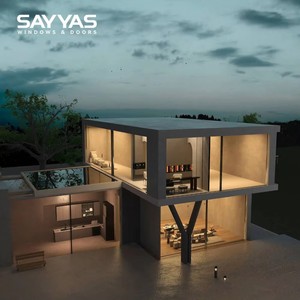
From ultra-narrow slim-line kitchen cupboard profiles and smoked architectural glass swing leaves to full-scale hurricane-rated exterior folding assemblies, explore our core factory lines engineered for oceanic, coastal, and luxury urban architectural demands.
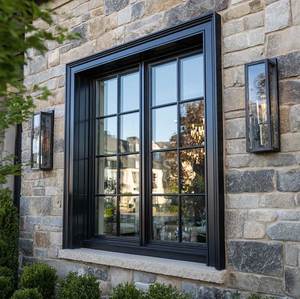
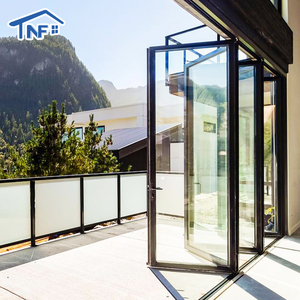
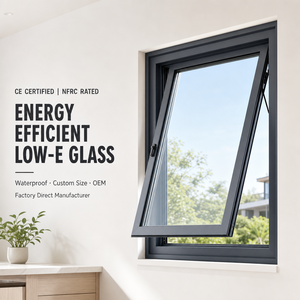
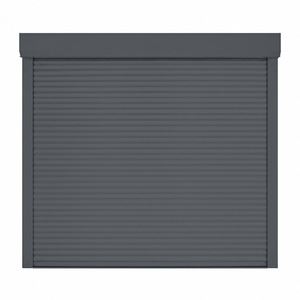
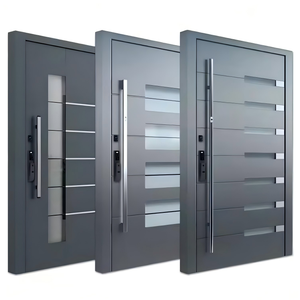
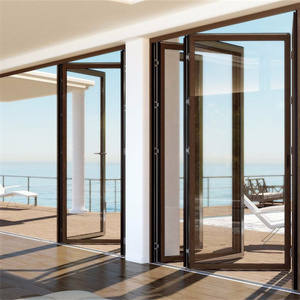
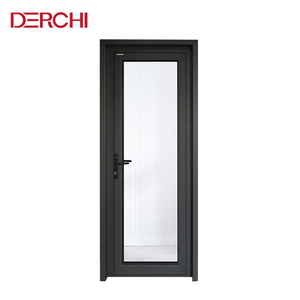
Why modern high-end multi-family towers, luxury residential villas, and marine hospitality projects are permanently replacing traditional wood composite cabinetry with anodized, fluorocarbon-coated extruded aluminium systems.
In high-humidity, coastal, and demanding culinary environments, traditional wood substrates such as medium-density fiberboard (MDF), particle board, and multi-layer plywood inevitably experience hygroscopic deformation. Water absorption, grease penetration, and constant thermal cycling induce laminate peeling, edge-banding separation, and hinge sagging over an operational lifespan of 3 to 7 years. In contrast, architectural grade 6063-T5 and 6063-T6 extruded aluminium profiles feature a tensile strength exceeding 160 MPa and yield strength exceeding 110 MPa, ensuring complete geometric stability, zero swelling, and an impervious barrier to steam, moisture, and chemical cleaning agents.
When evaluated through life-cycle assessment (LCA) methodology, aluminium cupboard door systems showcase near-infinite recyclability with less than 5% of the original smelting energy required during remelting. Furthermore, precision CNC milling allows for microscopic mechanical tolerances (±0.3mm across 2800mm vertical door leaves), enabling floor-to-ceiling handleless joinery that cannot be engineered reliably using timber composites.
Unlike glued timber panels emitting toxic aldehydes under radiant kitchen heat, passivated aluminium cupboard assemblies are completely inert. They meet strict European REACH and E0 indoor environmental quality metrics out-of-the-box.
High-grade micro-arc oxidation, 25-micron architectural anodization, or AkzoNobel fluorocarbon electrostatic powder coatings provide an impervious shield against cooking acids, airborne salinity, and hot grease splatter.
Engineered profile cavities allow seamless mechanical integration with 4mm to 8mm smoked, fluted, tempered, and Low-E safety glass, pairing high structural rigidity with minimalist, ultra-slim European design languages.
A strategic analysis of raw material supply, regulatory decarbonization, smart manufacturing automation, and cross-border supply chain resilience for international developers and bulk importers.
| Procurement Vector | Traditional Procurement Model | Emerging 2026-2030 Trend Matrix | Strategic Supplier Impact |
|---|---|---|---|
| Metallurgical Provenance | Generic, high-carbon primary smelting ingot sources with volatile trace contaminants. | Certified low-carbon circular aluminium (>75% recycled scrap billet) tracking Scope 1-3 emissions via CBAM and digital product passports (DPP). | Foshan mega-plants with direct hydropower billet allocations ensure tariff immunity under stringent EU and Oceanic carbon border frameworks. |
| Profile Thickness & Tolerances | 1.0mm - 1.2mm wall thickness extruded on manual presses; ±1.0mm assembly variance across 2.4m leaves. | 1.5mm - 2.2mm ultra-slim structural walls extruded on multi-thousand-ton hydraulic presses; precision 5-axis CNC machining under ±0.2mm tolerance. | Enables continuous, ultra-tall 3000mm concealed-hinge cabinet faces without internal truss warpage or hinge fatigue. |
| Surface Engineering | Basic wet painting or standard anodizing prone to orange peel and finger-mark discoloration. | Matte anti-fingerprint nanocoatings, soft-touch super-durable fluorocarbon (PVDF), and deep brushing via chemical etching. | Maintenance-free cycles extending beyond 20 years in high-traffic commercial hotel kitchenettes and beachfront properties. |
| Integration with Building IoT | Standalone, passive mechanical cupboard hinges and manual surface handles. | Concealed 24V busway electrification within extrusion tracks; automated capacitive sensors, magnetic damping, and concealed LED channel integration. | Pre-milled wire chases and plug-and-play driver integration directly executed in the factory prior to sea-freight crating. |
Global procurement teams must proactively safeguard import margins. Sourcing from certified Chinese exporters leveraging clean electricity billets eliminates severe carbon duty liabilities entering EU and Australasian ports.
Procuring kitchen joinery, balcony sliding doors, and architectural curtain walls from independent vendors causes severe color mismatch and schedule clashes. Unified sourcing guarantees matching RAL/Pantone color formulations across interior and exterior spaces.
To optimize ocean container cubic meter utilization amidst elevated freight indices, top Chinese exporters now design frame profiles with patented internal corner-cleat joints, delivering 400% packing density improvements compared to pre-hung millwork.
From micro-bevelled perimeter frames to hidden integrated acoustic sealing, investigate the detailed engineering benchmarks defining high-performance architectural fenestration.
Precision-extruded profile dies allow the outer border of the cupboard leaf to taper down to an ultra-thin 6mm visible lip, completely concealing structural clip fasteners while securing 4mm or 5mm architectural glass panels or porcelain ceramic slabs.
Eliminating the sharp metallic clack of metal-on-metal joinery, our profiles utilize continuous santoprene and vulcanized EPDM gaskets seated in recessed perimeter channels, absorbing kinetic impact and deadening sound transmission during closure.
Traditional side-mounted cup hinges compromise the pristine vertical lines of slim-frame joinery. Modern configurations utilize fully mortised top-and-bottom structural pivot systems supporting up to 60kg per single door leaf with 3-dimensional adjustability.
Combining over 25 years of metallurgical excellence with an advanced 180,000 square meter intelligent production campus in Nanhai District, Foshan, Guangdong.
Recognized as an official "China Famous Brand" by Xinhua News Agency, Guangdong Dejiyoupin Doors and Windows Co., Ltd. (DERCHI) operates one of Asia's most vertically integrated fenestration and joinery manufacturing hubs. With over 600 highly specialized technicians, a dedicated research cohort of 30+ senior facade and mechanical engineers, and an annual capacity surpassing 1,000,000 m², our production lines mitigate third-party outsourcing risks entirely.
From automated profile cutting, high-speed multi-axis CNC drilling, clean-room glass bonding, and thermal-break bar insertion to final simulated wind-load and air-permeability pressure testing, every assembly follows strict ISO 9001 protocols. Our complete qualification suite encompasses Australian AS 2047, North American NFRC and CSA, European CE, Energy Star, and severe-weather Hurricane Impact Rating certifications.
Our continuous investment in independent R&D has yielded over a hundred utility and invention patents, including the revolutionary Four-Side Six-Point Anti-Theft Lock mechanism and proprietary thermal barrier designs.
Supplying landmark international hotels (Hilton, Atour), high-density urban residential towers, and ultra-luxury custom developments across Australia, New Zealand, North America, Europe, and the Middle East.
Every overseas order includes full CAD shop drawing reviews, structural load verification, high-resolution barcode traceability, custom heavy-duty plywood crating, and dedicated ocean container stowing diagrams.
Direct, engineering-backed answers addressing the critical technical, legal, logistical, and commercial inquiries common to global architectural procurement.