Choosing among the 10 best aluminum window manufacturers can shape a project’s comfort, energy use, and long-term maintenance costs. An Aluminum Window may look simple, but its performance depends on more than the frame. Thermal breaks, glazing choices, seals, hardware, and installation all matter.
For global buyers, comparing suppliers across regions can be difficult. Product names and test results do not always mean the same thing in every market. Details matter. A frame designed for a mild climate may not suit a coastal site with driving rain or salty air. And a low quoted price may exclude essential hardware, packaging, or technical support.
This guide introduces manufacturers worth considering and explains practical points for comparing them. It looks at product ranges, customization, quality controls, available performance data, and export experience. Buyers should check documented air, water, and structural test results against their project requirements. They should also confirm finish options, lead times, warranty terms, and access to replacement parts. A clear quote helps, but it cannot answer every question.
No shortlist can fit every project. A large commercial development may need extensive testing and consistent batch production, while a home renovation may prioritize appearance and easier installation. A polished catalog is useful, but it is not proof of real-world performance. Ask for technical documents and clarify who handles service after delivery. Even then, selecting a supplier involves trade-offs, and some project details may only become clear during specification.
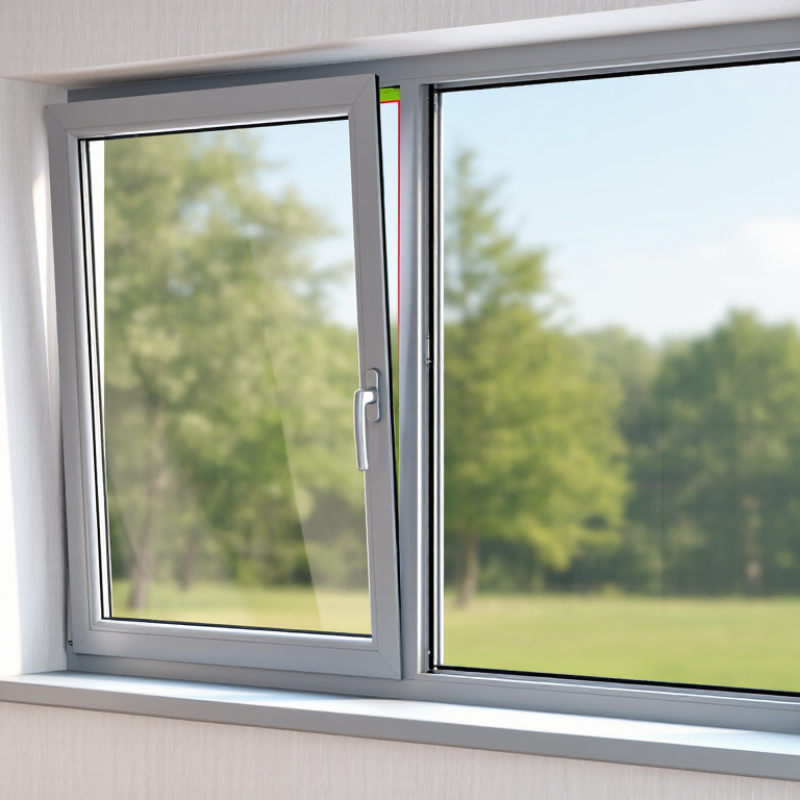
Aluminum windows are popular in global construction because their frames are light, strong, and adaptable to large openings. A slim frame can hold broad panes, bringing more daylight into a room. But performance varies. Thermal breaks, glazing, seals, and installation details all affect heat loss, condensation, and noise. A well-made frame cannot compensate for a poor fit.
Demand is shaped by urban growth, renovation, climate, and energy costs. The 2023 Global Status Report for Buildings and Construction, published by UNEP and GlobalABC, estimates that buildings and construction account for 34% of global energy demand and 37% of energy- and process-related carbon dioxide emissions. Those figures make window efficiency commercially important, though a window’s impact depends on the whole building, not the frame alone. Buyers comparing manufacturers should check tested thermal and air-leakage performance, finish durability, and replacement-part availability. These details matter. Aluminum is highly recyclable, but recycling claims deserve scrutiny: ask whether they refer to the frame’s recycled content or its end-of-life recovery. Markets differ, and specifications do too. A certificate that looks impressive may not reflect local weather or installation practice.
Evaluate aluminum window manufacturers by matching documented performance to the conditions of your project. Ask for test reports covering air leakage, water penetration, and wind resistance, and check that the tested window size and configuration resemble your specification. Standards differ by market, so confirm which requirements apply locally. Look closely at thermal data, including frame design and glazing details; a strong glass rating alone does not describe the whole window. Request information on alloy, wall thickness, surface finish, and corrosion testing. Small details matter. A finish sample viewed outdoors can reveal color variation that a catalogue image hides.
Production quality deserves equal attention. Ask how dimensions are checked, how batches are traced, and how defects are handled before shipment. If possible, inspect a sample corner joint, drainage path, and hardware operation. Smooth movement is useful, but it does not replace durability testing. Check packaging, stated lead times, spare-parts availability, and the process for resolving installation issues. References from projects with similar climates and building types can offer practical context; ask what went wrong, too. No manufacturer is flawless. One limitation: reports and samples cannot fully predict performance on a poorly prepared site, so assess installation guidance alongside the product.
Approximate room-temperature thermal conductivity, in watts per meter-kelvin (W/m·K). Aluminum conducts heat far more readily than PVC-U or wood, so buyers should assess the window’s complete-frame thermal performance and thermal-break design—not the frame material alone. Values vary by alloy, product, and test conditions.
For global buyers, the 10 leading aluminum window manufacturers are best compared by verified performance, not catalog claims. The 2023 Global Status Report for Buildings and Construction, published by UNEP and GlobalABC, estimates that buildings and construction used 34% of global energy in 2022 and produced 37% of energy- and process-related carbon emissions. Window selection matters, though it cannot solve a building’s energy problems alone.
Ask each manufacturer for test results covering thermal transmittance, air leakage, water penetration, and wind resistance. Match the figures to the project’s climate and building height. A coastal hotel and a low-rise home do not face the same demands. Check the aluminum alloy, coating durability, thermal break design, and compatibility with the specified glass. A sample corner joint can reveal more than a glossy brochure.
Delivery and support count too. Confirm packaging, spare hardware availability, installation guidance, and how warranty claims are handled across borders. Request recent project references with similar opening sizes and exposure conditions. No supplier is perfect. Even a strong factory may struggle with inconsistent site measurements or unclear handovers. That deserves scrutiny. A practical shortlist should weigh documented testing, production capacity, communication, and after-sales response together.
| No. | Evaluation Dimension | What Global Buyers Should Check | Relevant Standard or Evidence |
|---|---|---|---|
| 1 | Product performance testing | Request test reports for the specific window type, size, glazing, and configuration being quoted. | EN 14351-1 covers performance characteristics for windows and external pedestrian doorsets in its scope. |
| 2 | Air permeability | Compare tested leakage performance and confirm the classification suits the project’s climate and building requirements. | EN 12207 provides air-permeability classification for windows and doorsets. |
| 3 | Watertightness | Check test pressure, water exposure conditions, and whether the tested configuration matches the project specification. | EN 12208 specifies classification for watertightness testing of windows and doorsets. |
| 4 | Wind-load resistance | Verify design pressure and deflection results against local wind loads, building height, and exposure conditions. | EN 12210 provides wind-load resistance classification for windows and doorsets. |
| 5 | Thermal performance | Ask for whole-window U-factor or U-value, including frame, glazing, and spacer effects; confirm the calculation or test method. | NFRC-rated products use the applicable National Fenestration Rating Council procedures for the North American market. |
| 6 | Market-specific product qualification | Confirm that product testing and documentation meet the codes and procurement requirements of the destination market. | AAMA/WDMA/CSA 101/I.S.2/A440 is a North American fenestration product performance standard. |
| 7 | Quality management | Review the scope and validity of the factory’s quality-management certification, inspection procedures, and traceability records. | ISO 9001 specifies requirements for a quality management system; certification applies to a defined organizational scope. |
| 8 | Environmental management | Ask about environmental controls, material sourcing, waste management, and the scope of any environmental certification. | ISO 14001 specifies requirements for an environmental management system. |
| 9 | Finish durability | Specify coating type, color, pretreatment, warranty terms, and performance evidence appropriate to the exposure environment. | AAMA 2603, 2604, and 2605 are architectural aluminum coating performance specifications with different performance levels. |
| 10 | Export and project support | Confirm packaging, shipping terms, installation guidance, spare-parts availability, and the ability to provide project documentation. | Review the purchase specification, approved drawings, packing list, warranty, and agreed delivery terms for each order. |
Note: Applicable standards and required ratings vary by destination market and project. Verify current requirements with the relevant code authority and request documentation for the exact product configuration.
For global buyers, an aluminum window is more than a frame sample. Compare thermal-break designs, glazing options, drainage details, and hardware compatibility. A narrow frame may look elegant, yet perform poorly if the glass specification or installation method is unsuitable. Ask for section drawings and a full-size corner sample. Small details matter.
Certifications can help, but check what each document actually covers. Confirm the issuing body, test date, product series, and tested configuration. A report for one frame size may not represent a larger opening or different glass weight. Request evidence for air leakage, water penetration, and structural performance where relevant. Read the scope carefully. Paperwork alone is not proof of consistent production.
Manufacturing capability shows up in repeatability. Ask how the factory controls extrusion dimensions, corner assembly, coating thickness, and final inspection. Photos of the production line are useful, but a live audit or sample order offers stronger evidence. Clarify monthly capacity, packing methods, and how defects are recorded. Ask for a realistic lead-time breakdown, not just one delivery date. Even capable suppliers can have uneven quality between production runs; buyers should state acceptance criteria before placing an order.
International sourcing starts with matching the window to its actual destination. Confirm opening sizes, wall details, wind exposure, and local energy requirements before comparing quotations. A low unit price means little if the frame needs costly redesign. Ask suppliers for section drawings, material specifications, and test reports that match the proposed configuration. Check whether reports cover the glass, hardware, and frame as a complete assembly, not just one component.
Look closely at aluminum alloy, wall thickness, surface finish, drainage design, and thermal breaks. Request finish samples and inspect them under natural light; a small sample can still hide color variation across a large order. Clarify allowable dimensional tolerances and how defects are documented. Useful questions concern production capacity, inspection stages, replacement parts, and response times across time zones. Keep answers in writing.
Packaging deserves attention. Corner protectors, separators, and moisture control can reduce damage during long journeys, but ask for photos of a packed shipment rather than relying on a promise. Compare lead times against the full process, including drawing approval and production checks. Payment terms and delivery responsibilities should be clear in the purchase contract. One detail is often overlooked: a supplier may be technically capable yet slow to resolve a field issue. That risk is hard to score, but a small pilot order can reveal communication gaps before a larger commitment. Don’t assume. Verify.
Ask for test reports covering air leakage, water penetration, and wind resistance. Check that the tested size and configuration match your project. Close enough matters.
Review the frame design, thermal break, and glazing details together. A strong glass rating alone does not describe the whole window.
Ask about alloy, wall thickness, surface finish, and corrosion testing. View finish samples outdoors, where daylight may reveal color differences.
Ask how dimensions, coating thickness, and corner assembly are checked. Request details on batch tracking and defect handling. Consistency is not automatic.
Not by themselves. Confirm the issuing body, test date, product series, and tested configuration. A report for one size may not cover a larger opening.
Confirm opening sizes, wall details, wind exposure, and local energy requirements. Request drawings and specifications for the complete window assembly, including glass and hardware.
Ask for photos showing corner protectors, separators, and moisture controls in packed shipments. Get a lead-time breakdown that includes drawing approval and production checks.
A small pilot order can reveal communication delays and quality differences between production runs. It cannot predict every site issue, but it may expose gaps early.
This article explores the global Aluminum Window market, outlining how these products serve different building needs through variations in design, performance, and manufacturing. It presents practical criteria for evaluating manufacturers, including product range, material quality, production capacity, quality assurance, relevant certifications, and experience serving international buyers. The overview of leading manufacturers is intended to help readers compare suppliers by their capabilities rather than by name alone.
The article also explains how to assess product specifications, certification records, customization options, and manufacturing processes when comparing potential partners. For international sourcing, buyers should consider communication, shipping arrangements, lead times, after-sales support, and the supplier’s ability to meet project requirements. By using these factors together, buyers can make a more informed supplier selection and identify manufacturers suited to their markets and projects.